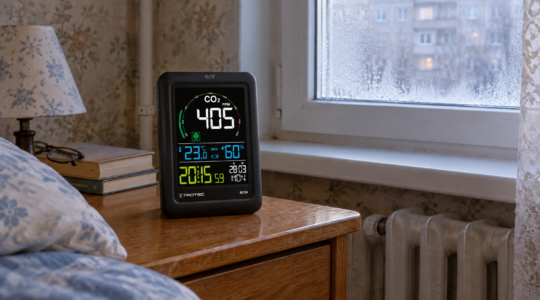


Indoor air quality at home and in the workplace is one of the most critical factors influencing both human health and building longevity. While regular ventilation and adequate heating typically keep moisture levels in check, they are not always enough. Many homeowners find that even with windows opened regularly, the air feels heavy, condensation streams down windowpanes, and mould starts taking hold in corners. In these situations, a portable dehumidifier is the most effective tool to quickly and permanently restore a balanced indoor climate.
Why Humidity Stays High Despite Airing Out
Excess indoor moisture usually stems from a combination of everyday human activity and structural factors. Routine household tasks constantly release water vapour into the air. Simply breathing elevates humidity levels, as exhaled air is saturated with moisture—the more people in a room, the higher the cumulative effect of respiration and perspiration.
Everyday activities like cooking, washing dishes, drying laundry indoors, and showering add substantial amounts of vapour. Because indoor air can hold only a limited amount of water, it eventually reaches a saturation point. Once that happens, the excess moisture condenses onto cold surfaces such as windows, mirrors, and exterior walls. If relative humidity stays above 60% for extended periods, the risk of mould growth and bacterial proliferation increases dramatically.
Opening windows does not always solve the issue, particularly when outdoor air is already humid—such as during sustained rain or muggy pre-storm summer weather. In other cases, moisture problems are structural, caused by roof leaks, compromised foundation waterproofing, or hidden plumbing failures. Under these conditions, standard ventilation cannot keep up, and dedicated dehumidifiers are needed to extract excess moisture and prevent severe structural damage.
The Risks of Excess Moisture to Health and Building Structure
High indoor humidity is far more than an aesthetic nuisance. According to the World Health Organization (WHO), people living in damp or mould-prone buildings have up to a 75% higher risk of developing respiratory symptoms and asthma. Mould releases microscopic airborne spores that can cause chronic coughing, nasal congestion, eye irritation, and allergic reactions.
From a structural perspective, persistent dampness degrades timber framing, wood flooring, drywall, and insulation. Over time, this leads to rot and material breakdown, resulting in expensive remediation work. Keeping relative humidity between 40% and 60% is vital; knowing the ideal indoor humidity level for your home is the first step toward lasting mould prevention.
-
 Available
Trotec TTK 99 HEPA Dehumidifier – Effective moisture removal and cleaner indoor air for areas up to 90 m²
376 €
-
-15%

TTK 64 HEPA Dehumidifier and Air Purifier, 50 m²
Original price was: 303 €.257 €Current price is: 257 €.
-
-12%
 Available
TTK 70 HEPA Dehumidifier and Air Purifier, 50 m²
Original price was: 303 €.268 €Current price is: 268 €.
How to Check if Ventilation Is Sufficient
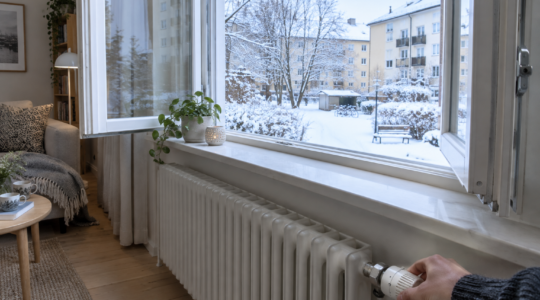
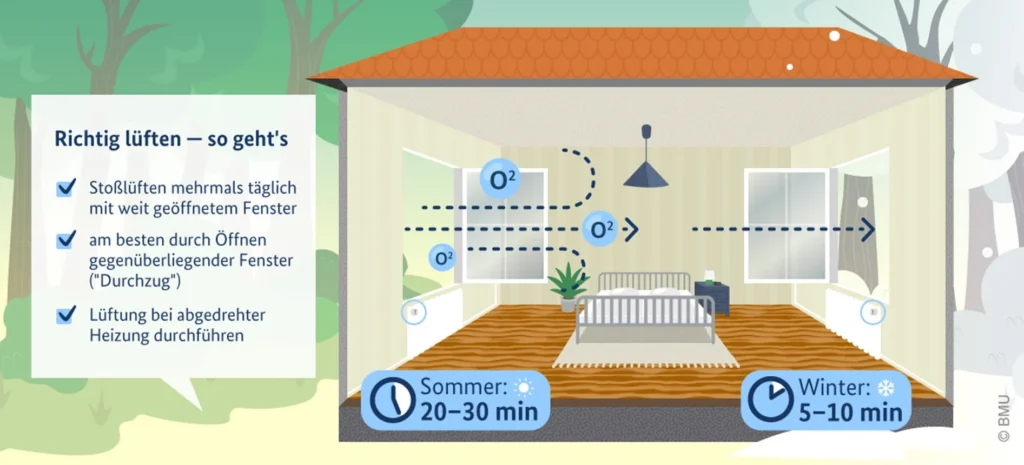
To stop moisture from building up, living spaces should be aired out several times a day by opening windows wide. This rapid “shock ventilation” replaces warm, moisture-laden indoor air with drier outside air without chilling the building’s fabric.
As a rule of thumb, cooler rooms require more frequent ventilation to prevent condensation and mould. When airing out your home, keep these practical tips in mind:
- Open opposite windows fully for a few minutes several times a day to create a swift cross-draught.
- In summer, ventilate for 20–30 minutes at a time.
- In winter, 5–10 minutes per session is plenty to refresh the air without cooling down walls and furnishings, helping you conserve heat.
- Turn down radiator thermostats before opening windows to avoid wasting energy.
If windowpanes remain fogged up after airing out, indoor moisture is being generated faster than natural ventilation can clear it. In this scenario, it is worth considering whether a dehumidifier or a ventilation system is the right answer. Often, the two work best in tandem: ventilation provides a continuous supply of fresh air and manages CO₂ levels, while a dehumidifier rapidly removes excess moisture.
Diagnosing the Problem: Condensation or a Structural Leak?
Before choosing a dehumidifier, it is important to identify where the moisture is coming from. If dampness forms exclusively on cold surfaces—such as window glass or chilly exterior corners—the cause is surface condensation. However, if discoloured patches show up in the middle of a wall or near the floor, a plumbing leak or rising damp is far more probable.
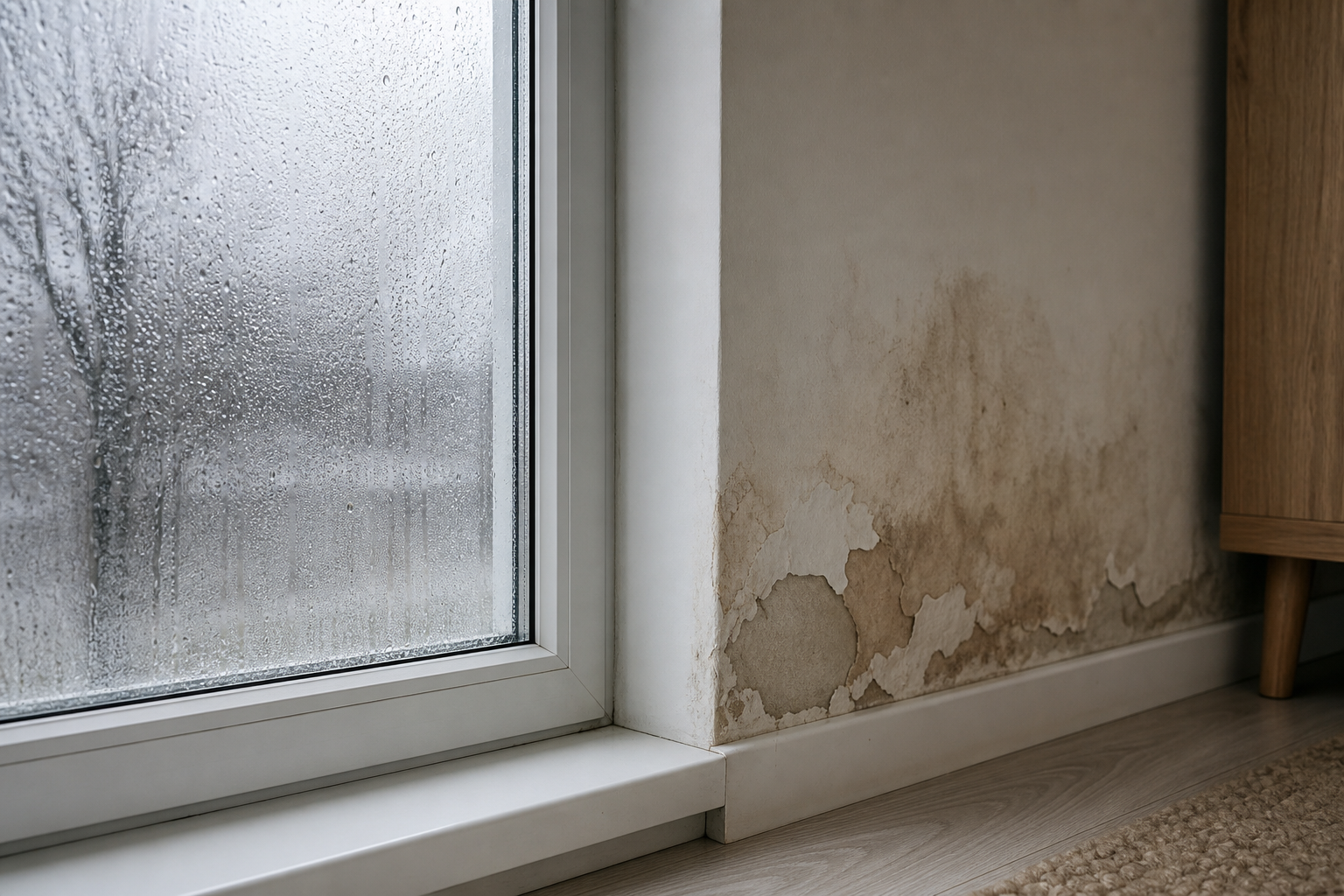
A simple way to test this is the foil test: tape a sheet of aluminium foil tightly over the damp area of the wall. After 24 hours, inspect both sides. If moisture has collected on the room-facing side, the issue is indoor condensation. If moisture is trapped behind the foil against the wall surface, water is penetrating through the building envelope or foundation. With rising damp, damage is typically confined to the lowest metre of the wall and accompanied by white salt deposits (efflorescence). While a dehumidifier can help manage room humidity in these circumstances, the underlying structural defect must be repaired directly.
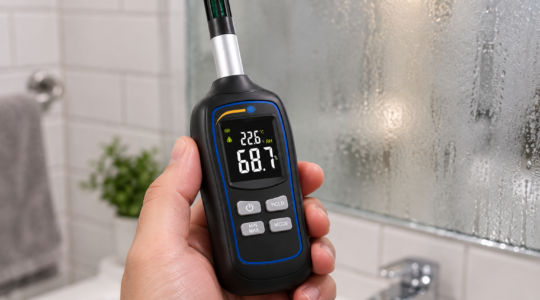
For accurate assessments, dedicated measuring instruments provide real-time readings of both temperature and relative humidity.

Types of Dehumidifiers and How to Choose
Dehumidifiers rely on two main technologies, and the right choice depends on the room’s temperature and intended use.
Compressor (Refrigerant) Dehumidifiers
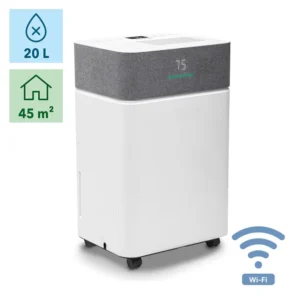
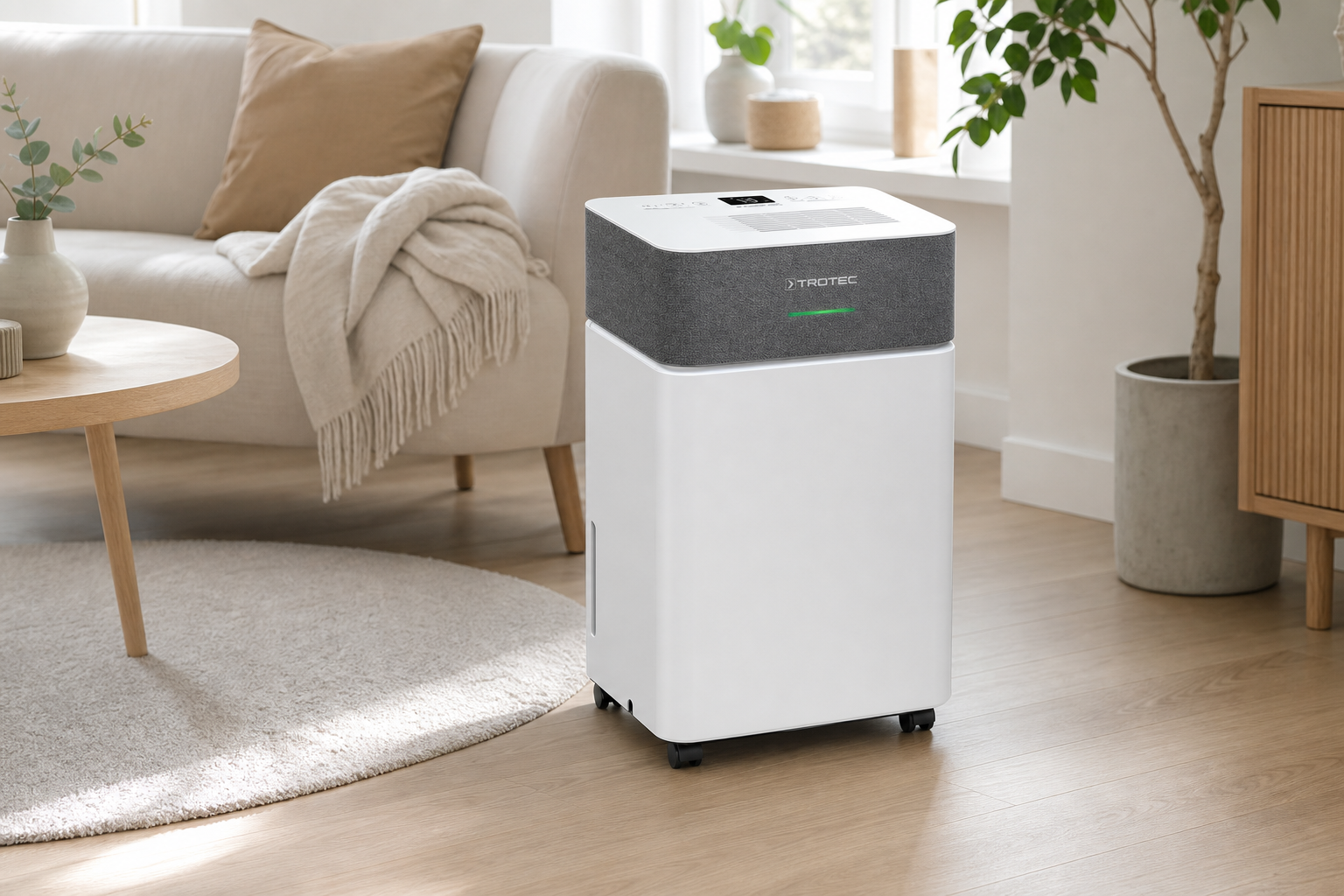
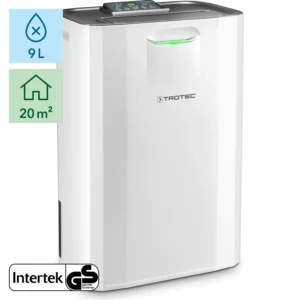
Compressor-based units are the most popular option for heated living areas where temperatures consistently exceed 15 °C. The unit pulls humid air across a cold evaporator coil, causing moisture to condense and collect in an internal tank. These units deliver high extraction rates and strong energy efficiency in standard household conditions. For example, tackling excess moisture in living quarters is handled effectively with an extraction capacity of 20–30 litres per 24 hours.
Desiccant (Adsorption) Dehumidifiers
Desiccant models are designed for unheated or cold spaces, such as basements, garages, and seasonal holiday homes. Adsorption technology operates effectively at temperatures as low as 1 °C, where compressor units lose efficiency and risk freezing up. Desiccant units also run quietly and slightly warm the exhaust air, helping take the chill off cold rooms.

What Size Dehumidifier Do You Need?
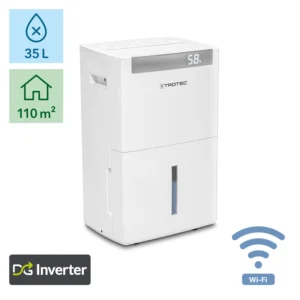
Choosing the right dehumidifier involves more than just floor area. You also need to factor in ceiling height, insulation quality, occupancy, and how frequently laundry is dried indoors. When sizing a dehumidifier for a 100 m² home with ongoing moisture concerns, a unit with an extraction capacity of 20–40 litres per day and an airflow rate of 250–400 m³/h is recommended.
Models with an integrated electronic humidistat offer the best balance of convenience and efficiency. These devices run only until the target relative humidity is reached, switching automatically to standby. High-end modern units also feature HEPA filtration, capturing airborne allergens, dust, and pathogens while drying the air.


Practical Tips for Operating a Dehumidifier
- Place the unit on a flat, stable surface, leaving sufficient clearance on all sides for unrestricted airflow.
- Keep external doors and windows closed during operation so the unit does not continuously draw in outdoor humidity.
- If a compressor model was tilted or laid flat during transport, let it stand upright for at least 24 hours before turning it on so the refrigeration oils can settle.
- Clean the air intake filters regularly to maintain extraction efficiency and prevent dust from building up on internal components.
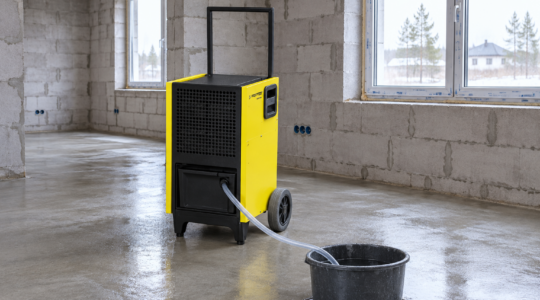
- Attach a continuous drainage hose when running the unit in basements, utility rooms, or unattended properties where manual emptying is inconvenient.
Portable dehumidifiers provide a dependable way to prevent mould and resolve persistent moisture problems. By maintaining a balanced, healthy indoor climate, they protect your property and noticeably improve day-to-day living comfort.
Frequently Asked Questions
No. A dehumidifier removes excess moisture, but it does not supply fresh oxygen or dilute built-up carbon dioxide (CO₂). Adequate ventilation remains essential for overall air quality, while a dehumidifier handles moisture loads that ventilation alone cannot resolve.
Modern dehumidifiers with built-in humidistats are very energy-efficient. They draw full power only when humidity climbs above your set target. Once the desired level is achieved, the compressor cycles off or the unit switches to a low-power monitoring mode.
For cold spaces below 15 °C, a desiccant (adsorption) dehumidifier is the best choice. Because they do not rely on refrigerated coils, desiccant units maintain strong moisture extraction down to 1 °C without freezing up.
References
- WHO Guidelines for Indoor Air Quality: Dampness and Mould (2009)
- Towards Healthy Air in Dwellings in Europe (THADE Report)
- Pro Air OÜ technical research and field data (2024–2026)