


The right level of humidity at home directly affects our health, well-being, and even the condition of the building. Air that is too dry can cause a dry throat, irritated eyes, and respiratory problems. Excessive humidity, on the other hand, creates ideal conditions for mold, dust mites, and unpleasant odors.
In this guide, we explain what the optimal humidity level is for your home and how to keep it under control year-round.
What is the ideal humidity level at home?
In general, the following relative humidity levels are considered most suitable:
- 40–60% in most living spaces
- 45–55% in the bedroom
- 40–60% in the nursery
- To prevent mold growth, keep humidity below 60%
If the humidity drops below 30%, the air becomes too dry. If it rises above 60%, the risk of mold and moisture damage increases.
Humidity in Winter
During the winter, the problem is usually that the air is too dry.
During the heating season, humidity levels can drop as low as 20–30%, which can cause:
- dry skin
- runny nose
- cough and sore throat
- dry eyes
- poorer sleep quality
In winter, it is recommended to maintain humidity levels between 40% and 50%.
If the humidity drops below 35%, you should consider using a humidifier.
Humidity in the Summer
In the summer, the more common problem in Estonia is actually excessive humidity.
High humidity can cause:
- condensation on windows
- mold growth
- a faint scent
- labored breathing
- worsening of allergies
During the summer, it is recommended to keep the humidity below 60%.
If the humidity remains above 65%, it may be necessary to use a dehumidifier.
The Right Humidity Level in the Bedroom
We spend about a third of our lives in the bedroom.
The ideal humidity level in the bedroom is:
- 45–55%
This helps reduce:
- snoring
- a dry throat in the morning
- dryness of the nasal mucosa
- irritation of the respiratory tract
A bedroom that is too humid can increase the number of dust mites and exacerbate allergies.
The Right Humidity Level in a Baby’s Room
Infants’ airways are more sensitive than those of adults.
The recommended humidity level for a baby’s room is:
- 40–60%
Air that is too dry can cause:
- stuffy nose
- cough
- restless sleep
Excess moisture, however, promotes the growth of mold and bacteria.
When does mold form?
The risk of mold growth increases significantly when:
- humidity exceeds 60–65%
- Ventilation is inadequate
- The exterior walls are cold
- Condensation constantly forms on the windows
The first signs may include:
- black dots in the corners
- condensation on windows
- a musty smell
- dark spots on the walls
If you notice these symptoms, you should check the humidity level immediately.
How do you measure humidity?
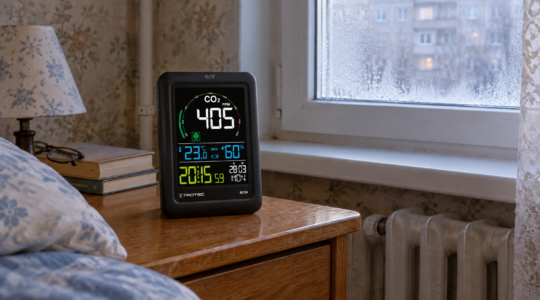
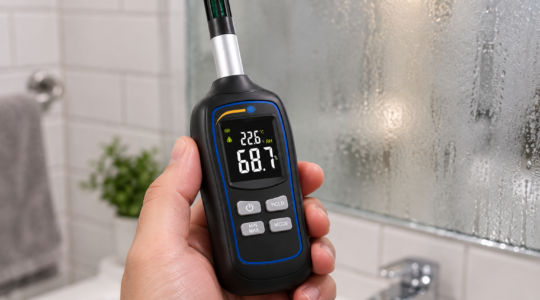
The easiest way is to use a digital hygrometer.
The measurement could be taken:
- in the bedroom
- in the living room
- in the nursery
- in the basement
- in the bathroom
Ideally, you should monitor humidity levels for at least a week to get an idea of the actual fluctuations.
When should you use a dehumidifier?
An air dryer is necessary if:
- humidity consistently exceeds 60%
- the windows are fogging up
- there is mold
- Laundry is dried in the room
- It is either a basement or a summer cottage
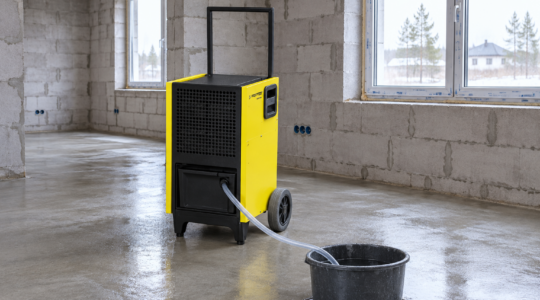
Modern dehumidifiers help automatically maintain humidity at the desired level.
When should you use a humidifier?
An air humidifier is useful when:
- humidity drops below 35–40%
- has a dry cough
- leather dries quickly
- You sleep poorly because of the dry air
A high-quality dehumidifier helps maintain a healthy indoor climate throughout the heating season.
Summary
The optimal humidity level at home is usually between 40% and 60%. In the winter, you often have to deal with air that’s too dry, while in the summer, you have to deal with excessive humidity. Regular monitoring and, if necessary, the use of a dehumidifier or humidifier will help keep your home healthy, comfortable, and mold-free.
If you’re looking for a dehumidifier or humidifier that’s right for your home, Pro Air OÜ can help you choose the right solution based on the size of the room and the nature of your humidity problem.
Frequently Asked Questions (FAQ)
Is 70% humidity too high?
Yes. In the long term, humidity levels above 60% increase the risk of mold and dust mites.
Is 30% humidity too low?
Yes. This kind of air is too dry for most people and can cause health problems.
Why do windows get foggy in the morning?
This usually indicates excessively high humidity or inadequate ventilation.
Does an air purifier reduce humidity?
Generally speaking, no. A dehumidifier is used to reduce humidity.
What should the humidity be in a baby’s room?
Preferably 40–60%.
Does a dehumidifier help prevent mold?
Yes. A dehumidifier helps reduce excess moisture, which is the main cause of mold growth.