


When a heatwave hits, your home can quickly turn into a stifling greenhouse. Once indoor temperatures climb past 25°C, sleep becomes restless, productivity plummets, and simply being indoors feels exhausting. Instinctively throwing open the windows in the middle of the day often backfires, letting in waves of hot, humid air.
Keeping your home comfortably cool requires a smart, multi-layered approach: pairing passive heat-blocking habits with the right cooling technology. Here are seven practical, proven strategies to help you beat the heat all summer long.
1. Block Solar Heat Before It Enters
Direct sunlight streaming through windows is the single biggest contributor to indoor heat gain during the summer. Once solar radiation penetrates the glass, that heat becomes trapped inside.
Exterior shading offers the most effective line of defense:
- Fit external blinds, shutters, or awnings over south- and west-facing windows to block sun rays before they reach the pane.
- Hang light-colored, reflective curtains or thermal blackout blinds if exterior shading is not feasible.
- Keep shades and windows firmly shut on sun-exposed sides of the house throughout peak daylight hours.
Stopping heat on the outside of the glass keeps indoor temperatures substantially lower than standard interior curtains ever could.
2. Leverage Night Air and Cross-Ventilation
Opening windows during a hot afternoon only invites warm air inside. Instead, wait to ventilate until the outside air is cooler than the temperature indoors.
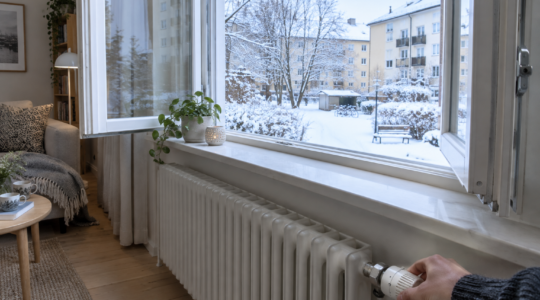
- Open windows wide late in the evening or early in the morning to draw in crisp, refreshing air.
- Create cross-ventilation by opening windows on opposite sides of your home, setting up a natural draft that flushes out stagnant heat.
- Close everything up first thing in the morning before the sun begins warming the outdoor air.
- Where safe and practical, keep bedroom windows open overnight to maintain a cooler sleeping environment.
3. Minimize Internal Heat and Moisture
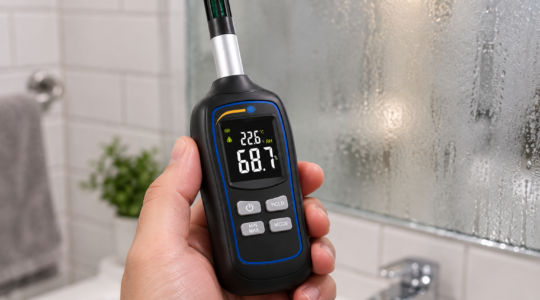
Everyday household appliances, lighting, and daily chores generate surprisingly high amounts of internal heat. At the same time, high humidity amplifies that warmth, making the air feel thick and heavy. To understand how moisture levels impact comfort, read our guide on managing indoor humidity in summer.
- Switch off computers, televisions, and other electronics when not in use; even in standby mode, they continuously radiate heat.
- Limit oven and stovetop cooking during peak heat hours, opting for quick meals or cooking earlier in the day.
- Hang laundry outside or in a well-ventilated utility area to avoid driving up humidity in living spaces.
- Always run kitchen range hoods and bathroom exhaust fans while cooking or showering to vent steam immediately outside.
4. Keep the Air Circulating with Fans
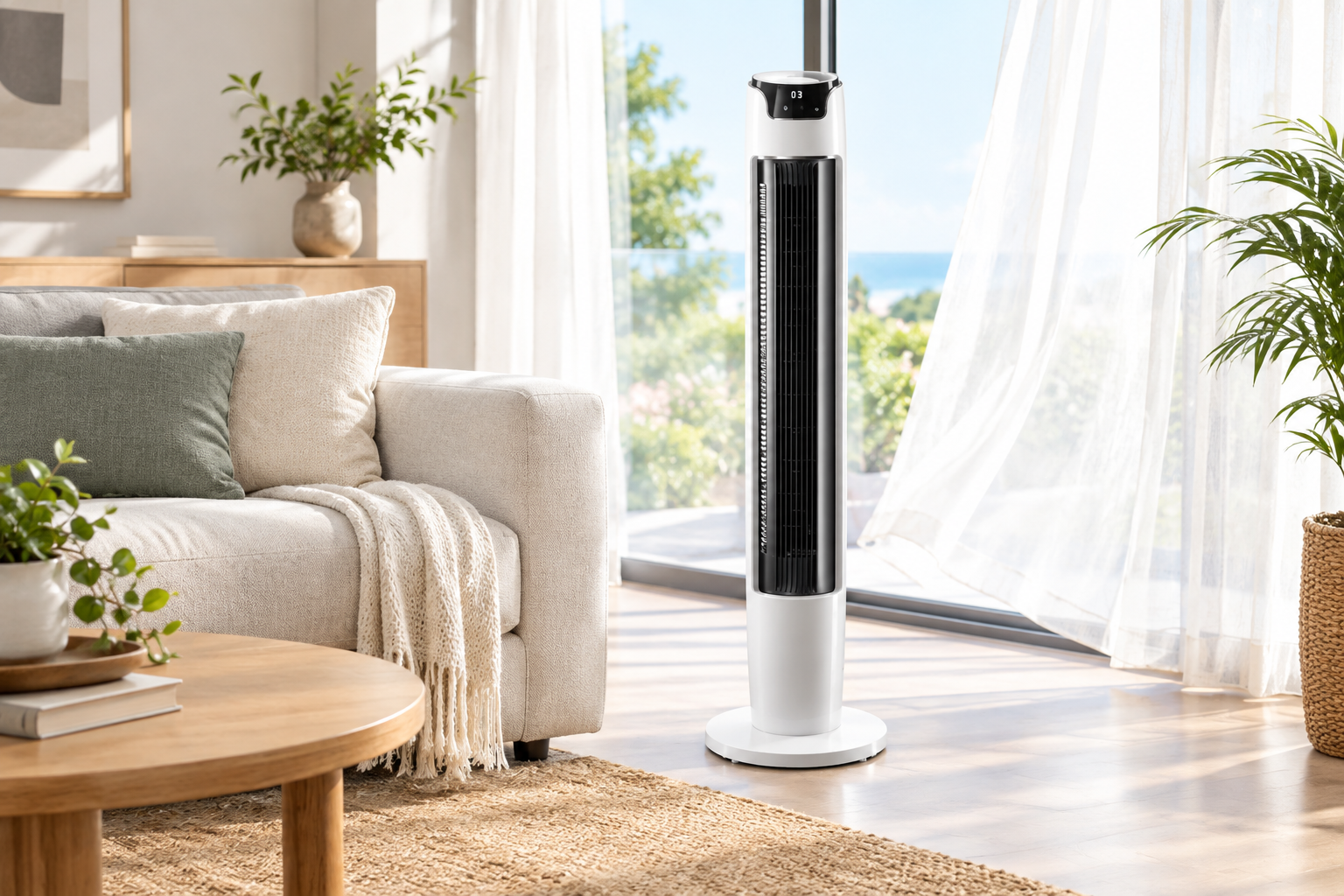
While a fan does not actually lower a room’s ambient temperature, the breeze it generates creates an evaporative cooling effect on your skin. This wind-chill makes the space feel several degrees cooler almost instantly.
Investing in versatile, high-quality air coolers and fans allows you to direct cooling airflow exactly where you need it most—from the home office to the living room or bedroom.
- Run fans at lower, quiet speeds aimed toward seating or sleeping areas for gentle, continuous circulation.
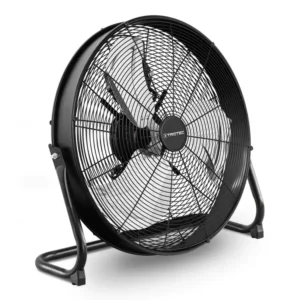
- Position a floor fan facing inward next to an open window in the evening to pull in cool night air faster.
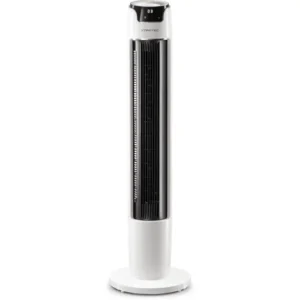
- Pick a quiet tower fan with a dedicated sleep mode for the bedroom to ensure uninterrupted, restful nights.
5. Try an Evaporative Air Cooler
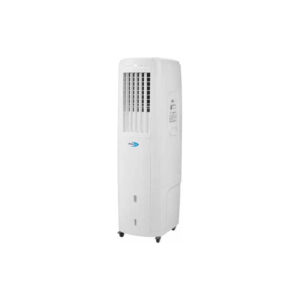
If a standard fan is not cutting it and installing a full air conditioning setup is out of reach, an evaporative air cooler serves as an effective intermediate step. Unlike conventional fans, these units draw warm air across a water-saturated filter, cooling it naturally through evaporation.
- Requires no exhaust hose, venting, or complex installation.
- Features very low energy consumption and performs best in well-ventilated spaces or open-air patios.
- Introduces light humidity into the airstream, delivering a noticeably crisp, refreshing breeze in hot, dry environments.
6. Cool Down Fast with a Portable Air Conditioner
When indoor temperatures remain stubbornly high, true refrigerated cooling becomes essential. Portable air conditioners actively extract heat and excess moisture from the room, circulating dry, chilled air back into your living space.
Modern, high-capacity portable air conditioners require no permanent installation, making them the go-to choice for rental properties, holiday homes, or buildings where exterior facade modifications are prohibited. If you are shopping for an apartment, explore our guide on selecting the right portable air conditioner for an apartment based on square footage and noise ratings.
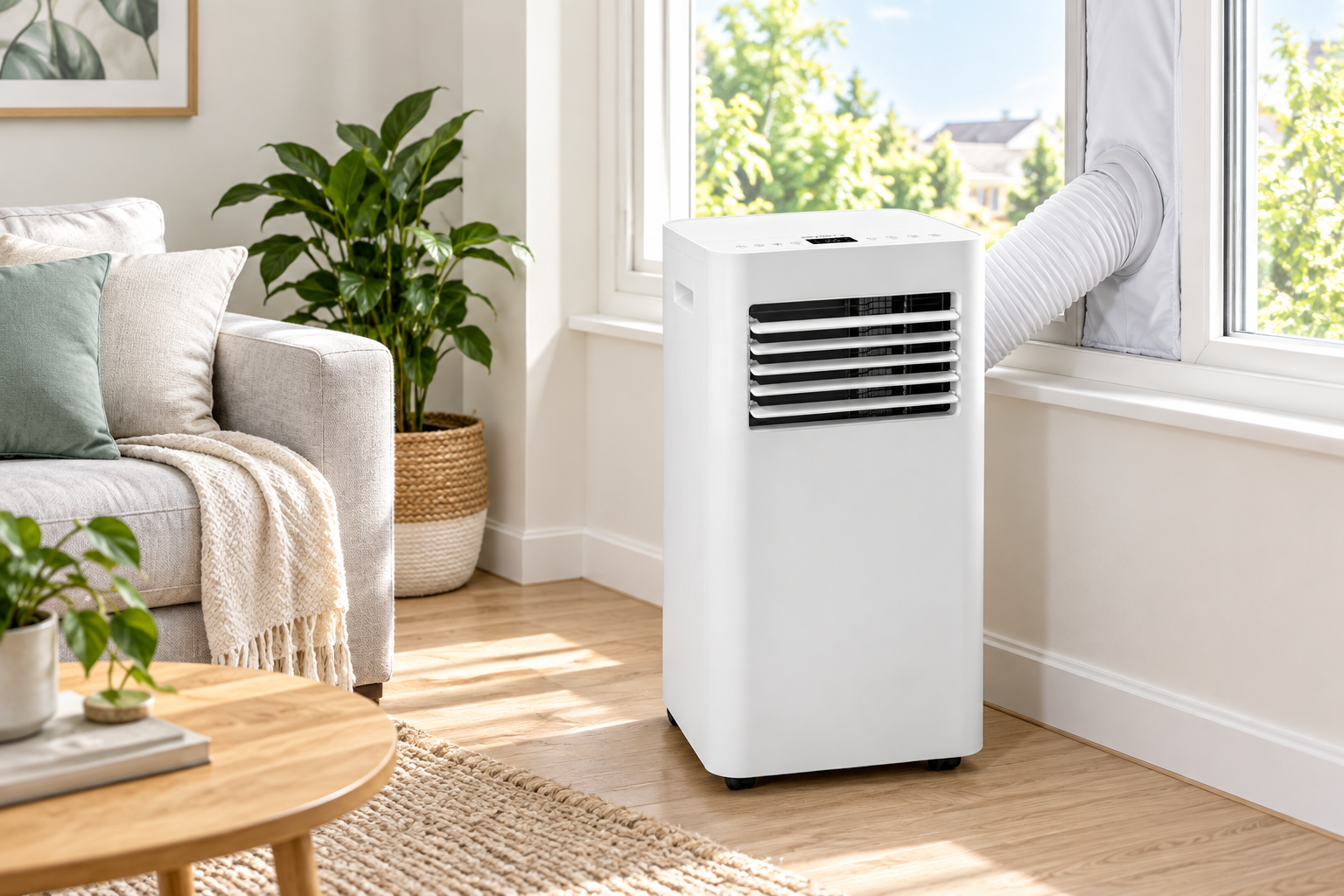
- Always route the exhaust hose out of a nearby window to expel warm air.
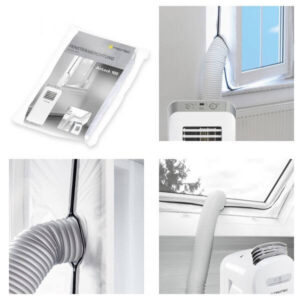
- Install a window sealing kit to keep outdoor heat from seeping back in, optimizing energy efficiency.
- Choose a unit with the right BTU rating to match your room size, ceiling height, and sun exposure.

7. Invest in an Ultra-Quiet Portable Split Air Conditioner
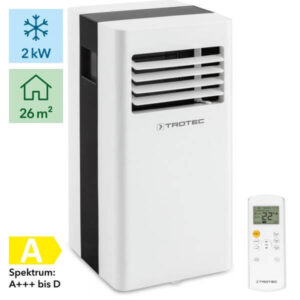
In spaces where compressor noise might disrupt your peace—such as bedrooms, nurseries, or private offices—a portable split-unit air conditioner provides whisper-quiet, premium performance.
- The noisy compressor is housed in a separate unit mounted outside (on a balcony or window bracket), keeping the indoor unit exceptionally quiet.
- Delivers superior cooling performance capable of managing larger, open-plan spaces with expansive windows.
- Often includes smart Wi-Fi controls and doubles as an efficient supplementary heat pump during the cooler transition months.


Building an Effective Home Cooling Plan
Achieving a comfortably cool home comes down to blending smart daily habits with capable cooling equipment. Keep strong sunlight out during the day, ventilate thoroughly overnight, and turn to high-efficiency fans or portable air conditioners when the heat peaks. With the right strategy in place, you can enjoy a fresh, relaxing indoor climate without sending your energy bills soaring.
Frequently Asked Questions
You can route the exhaust hose through an open window, but without a dedicated seal, hot outdoor air will continuously pour back into the room. This forces the unit to work much harder, reducing its cooling performance and driving up electricity costs.
Fans circulate the air already present in the room. They create a wind-chill effect that cools your body through moisture evaporation, but they do not remove thermal energy from the air. Actively lowering room temperature requires an air conditioner with a compressor.
An evaporative air cooler chills air using water evaporation and needs no exhaust hose, but its cooling power is modest and it adds moisture to the room. A true air conditioner uses a sealed refrigerant cycle to physically pull heat and humidity out of the air, delivering fast and precise temperature control.