

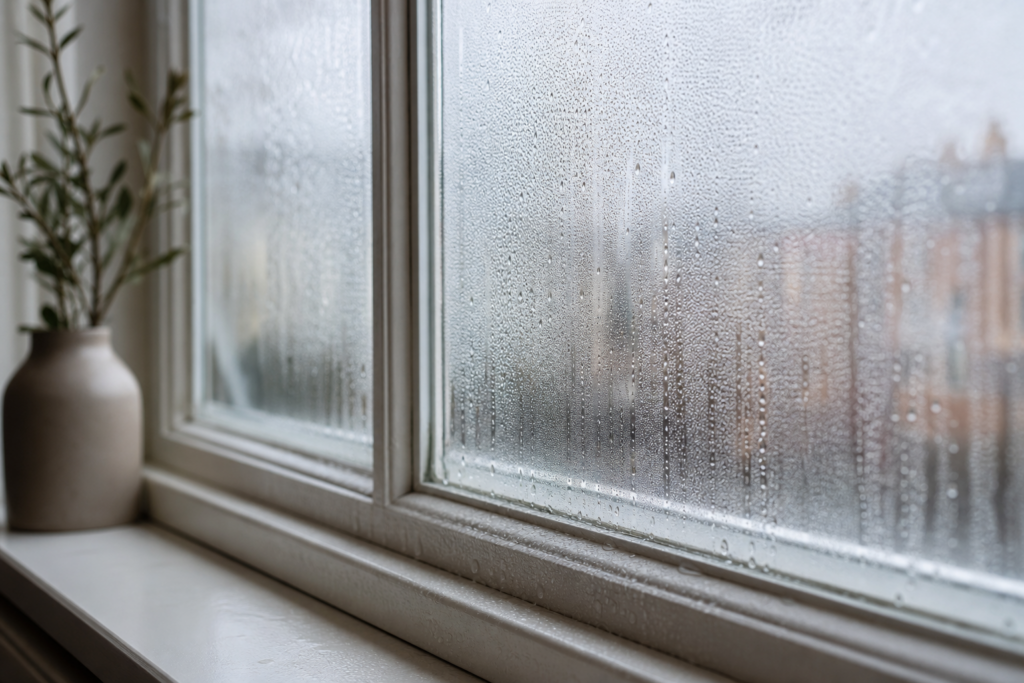
Most people know that clammy, oppressive feeling when a room gets too humid. A healthy indoor climate depends heavily on balanced humidity, which should ideally sit between 40% and 60%. When moisture levels consistently rise above that threshold, trouble follows—not only threatening your home’s structure and furnishings, but also posing genuine risks to your health.
Here are the key warning signs that your home is struggling with excess moisture, and why running a dehumidifier is often the most effective way to prevent mold and restore clean, comfortable indoor air.
How to Spot Excess Moisture in Your Home
Excess moisture is not always obvious at first glance, but the warning signs are hard to miss once you know what to look for. If any of the following sound familiar, it may be time to invest in a dehumidifier.
1. Condensation on Windows and Cold Surfaces
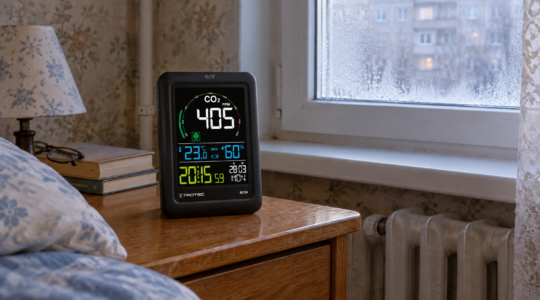
One of the most reliable early indicators is window condensation. Moisture forms when warm, humid indoor air meets a cold surface like glass. If you frequently find water droplets or streams of runoff along your window sills, your indoor air is holding too much water. This is especially prevalent during summer and cool mornings, when indoor and outdoor temperatures diverge sharply.
2. A Persistent Musty Odor
Walking into a room and catching an earthy, stale scent—reminiscent of an old basement or damp locker—is a clear sign of fungal and bacterial activity. Microorganisms thrive in high humidity, and that telltale musty smell often appears long before mold becomes visible, indicating hidden growth behind wallpaper, within drywall, or inside insulation.
3. Visible Mold in Bathrooms or on Walls
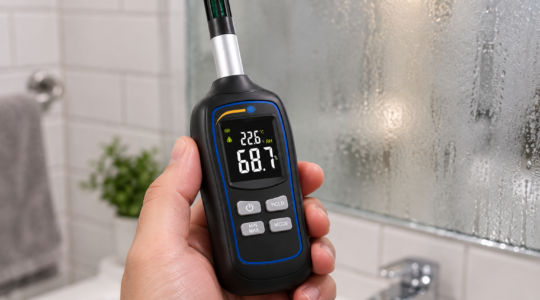
Dark spots along bathroom grout, window frames, or baseboards indicate that indoor moisture has reached a critical level. Mold releases microscopic airborne spores that can trigger serious health issues and allergic reactions, especially in children, the elderly, and anyone with asthma. Because bathrooms generate high volumes of steam, a dehumidifier is often essential when exhaust fans cannot clear the moisture quickly enough.


4. Warped Materials and Peeling Finishes
Persistent moisture eventually compromises building materials and home furnishings. Watch for these common signs of structural and surface wear:
- Blistering, bubbling, or flaking paint on ceilings and walls
- Wallpaper lifting, peeling at the seams, or buckling
- Sticking doors, warped trim, or swollen wooden furniture
- Mold developing on musical instruments, which are acutely sensitive to shifts in relative humidity
5. Laundry That Takes Days to Dry
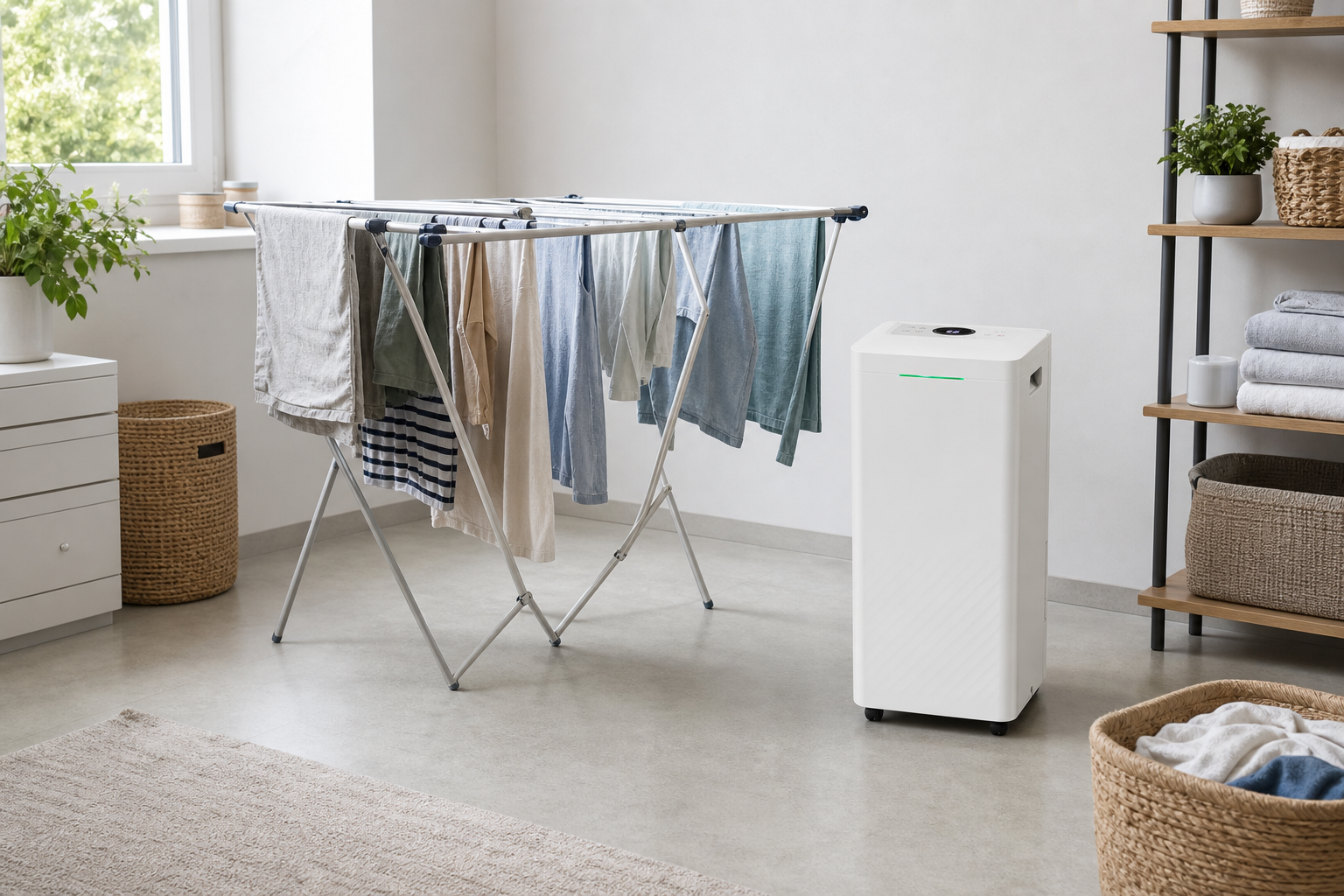
If clothes hung indoors remain damp into the next day and take on a sour smell, your air is already saturated. Wet laundry releases substantial volumes of moisture into a room, and without adequate extraction, that water has nowhere to go. Many modern dehumidifiers include a dedicated laundry mode, which draws moisture directly from drying clothes, cutting dry times significantly while preventing damp air from spreading.
6. Heavy, Stuffy, or Uncomfortable Air
Humidity dramatically alters how indoor temperatures feel. High moisture makes summer heat feel sticky and stifling, while making cold winter air feel raw and biting. It also interferes with restful sleep. If the air in your home feels heavy or you wake up feeling unrefreshed, unbalanced humidity levels may be the underlying cause.
-
 Available
Trotec TTK 63 E WiFi Dehumidifier – A Smart Solution for Moisture, Mold, and Condensation on Windows
269 €
-
 Available
Trotec TTK 99 HEPA Dehumidifier – Effective moisture removal and cleaner indoor air for areas up to 90 m²
376 €
-
-12%
 Available
TTK 70 HEPA Dehumidifier and Air Purifier, 50 m²
Original price was: 303 €.268 €Current price is: 268 €.
Why Ventilation Alone Isn’t Always Enough
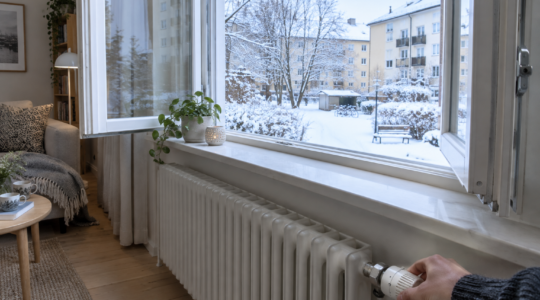
A common misconception is that simply opening windows or running mechanical ventilation will resolve high humidity. While fresh air exchange is essential for controlling CO2 levels, it cannot always lower indoor moisture. In fact, opening windows on warm, muggy days often introduces even more humidity into your home.
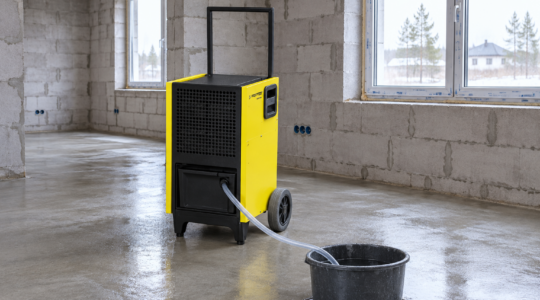
The key difference between a dehumidifier and ventilation is targeted extraction: a dehumidifier pulls moisture straight from the air regardless of outdoor weather. That makes it an indispensable tool for basements, unvented laundry spaces, and rooms recovering from leaks or water damage.
How to Choose the Right Dehumidifier
Finding the right model depends on your room size, ambient temperature, and the scale of the moisture issue:
- Compressor (Refrigerant) Dehumidifiers: The gold standard for typical heated living spaces and apartments. They are energy-efficient, quiet, and highly effective at normal room temperatures.
- Desiccant Dehumidifiers: The best choice for unheated basements, garages, outbuildings, or holiday cottages where temperatures drop below 10–15 °C (50–59 °F), as they do not rely on cold coils to extract moisture.
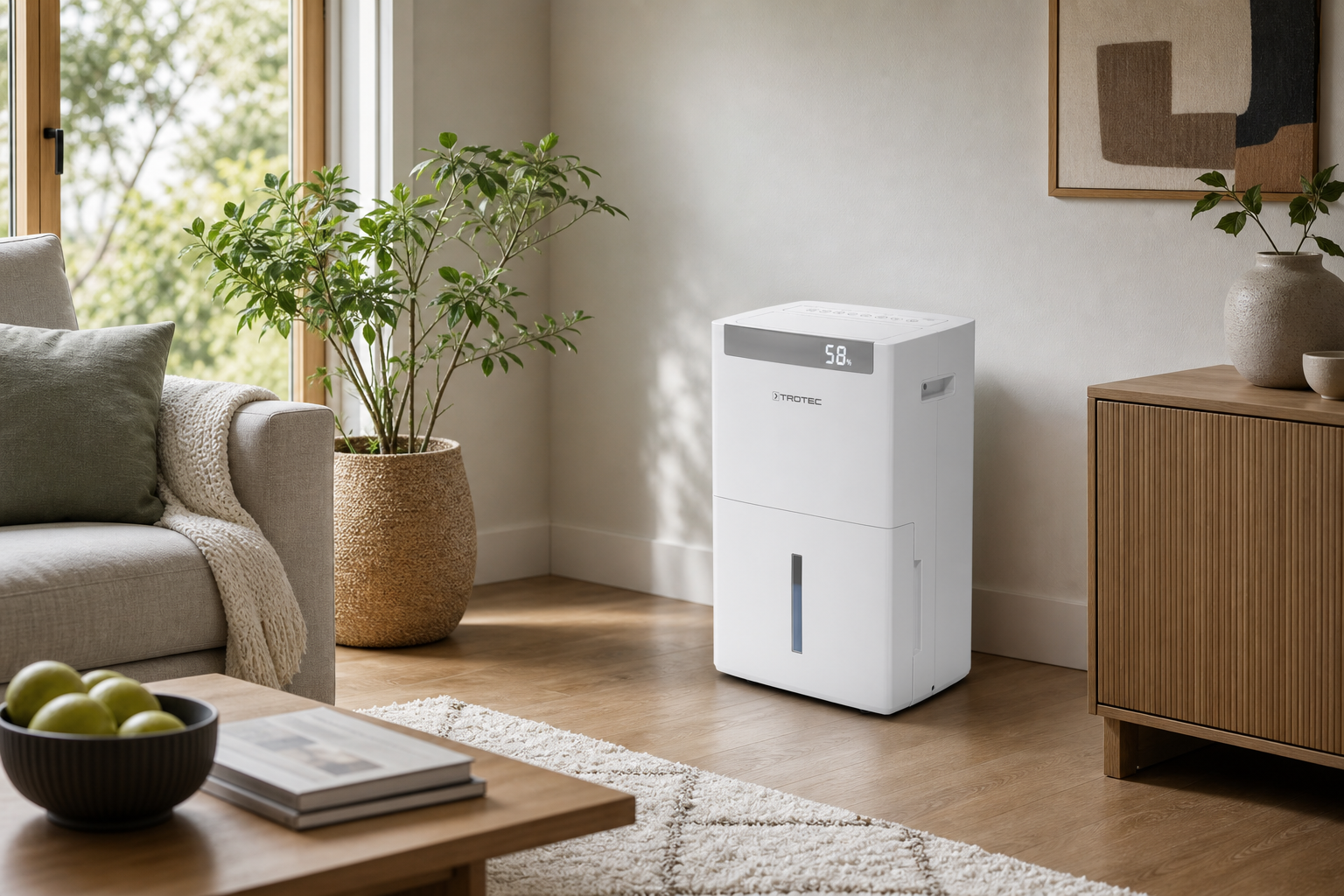

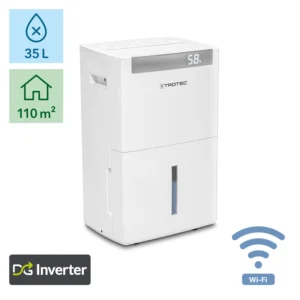
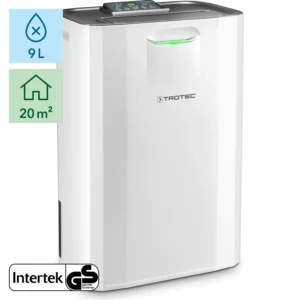
Today’s residential dehumidifiers are smart, user-friendly appliances. Equipped with built-in humidistats, they monitor the ambient humidity in real time and run only when levels exceed your preferred setting, keeping power consumption low while protecting your indoor environment.
Addressing excess moisture early protects your property from costly repairs and keeps your living space healthy and comfortable.
Frequently Asked Questions
Most modern dehumidifiers are engineered for quiet operation. Many units include a dedicated night or low-fan mode, reducing noise levels enough for undisturbed use in bedrooms and home offices.
Power consumption depends on the model’s capacity and workload. Because modern units feature automatic humidistats, they shut off or enter standby as soon as the target humidity is reached, keeping energy usage efficient and cost-effective.
Yes. By maintaining relative humidity below 50–55%, dehumidifiers create an environment where dust mites, mold, and bacterial colonies cannot thrive. This provides meaningful relief for people with allergies, asthma, or other respiratory sensitivities.