

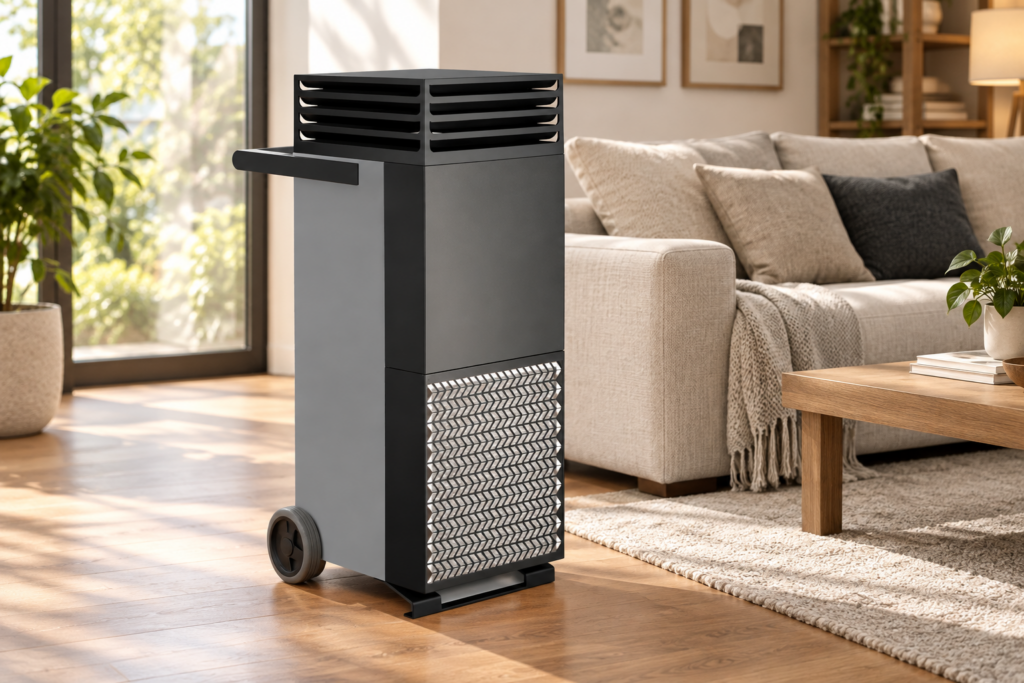
Indoor air can harbor millions of microscopic particles, ranging from everyday dust and pet dander to mold spores, pollen, bacteria, and airborne viruses. Since most of us spend the vast majority of our time indoors, the quality of the air we breathe plays a direct role in our overall well-being, focus, and long-term health. Yet navigating the market for an air purifier can be overwhelming, with hundreds of models backed by bold marketing claims that rarely hold up in practice.
To guarantee dependable performance and safety, choosing rigorously tested and independently certified equipment is essential. Third-party testing confirms that a unit captures pollutants as advertised without releasing harmful secondary emissions into your living space.
Why Choose a Certified Air Purifier?
Many purifiers claim to deliver “up to 99% clean air,” but these figures are frequently derived from internal manufacturer estimates or tests conducted solely on isolated filter sheets in sterile laboratory conditions. In real-world environments, actual performance depends on the complete system—including housing seal integrity, fan motor power, and internal aerodynamics.
Key benefits of an independently certified air purifier include:
- Verified filtration efficiency: Performance metrics are independently validated by accredited testing laboratories under authentic operating conditions.
- Airtight housing: Certified units prevent unfiltered air from leaking around the filter edges and blowing back into the room.
- Certified safety: Systems are tested to ensure electrical reliability and to verify that they produce zero hazardous emissions, such as ozone.
- Sustained reliability: Quality components maintain their purification efficiency throughout the filter’s entire operational lifespan.
Investing in a certified model ensures that your expenditure genuinely protects the health and comfort of your household or workplace.
European Standard EN 1822 and HEPA Filter Classes
Mechanical HEPA (High-Efficiency Particulate Air) filtration remains the gold standard for indoor air purification. In Europe, high-efficiency filters are tested and classified according to standard EN 1822, which measures performance at the Most Penetrating Particle Size (MPPS)—typically between 0.1 and 0.3 micrometers (µm).
Standard EN 1822 establishes three distinct filter categories:
- EPA (Efficient Particulate Air): Classes E10, E11, and E12, offering filtration efficiencies between 85% and 99.5%.
- HEPA (High-Efficiency Particulate Air): Class H13 (minimum 99.95% efficiency at MPPS) and Class H14 (minimum 99.995% efficiency).
- ULPA (Ultra-Low Penetration Air): Classes U15, U16, and U17 (up to 99.999995% efficiency), primarily utilized in specialized pharmaceutical environments, cleanrooms, and medical facilities.
For homes and workplaces, air purifiers with HEPA and activated carbon filters strike the ideal balance between thorough purification and optimal airflow. H13 and H14 filter elements undergo individual leak testing to guarantee that fine particulate matter, aerosols, and pathogens are captured reliably.
-
NEW
 Available
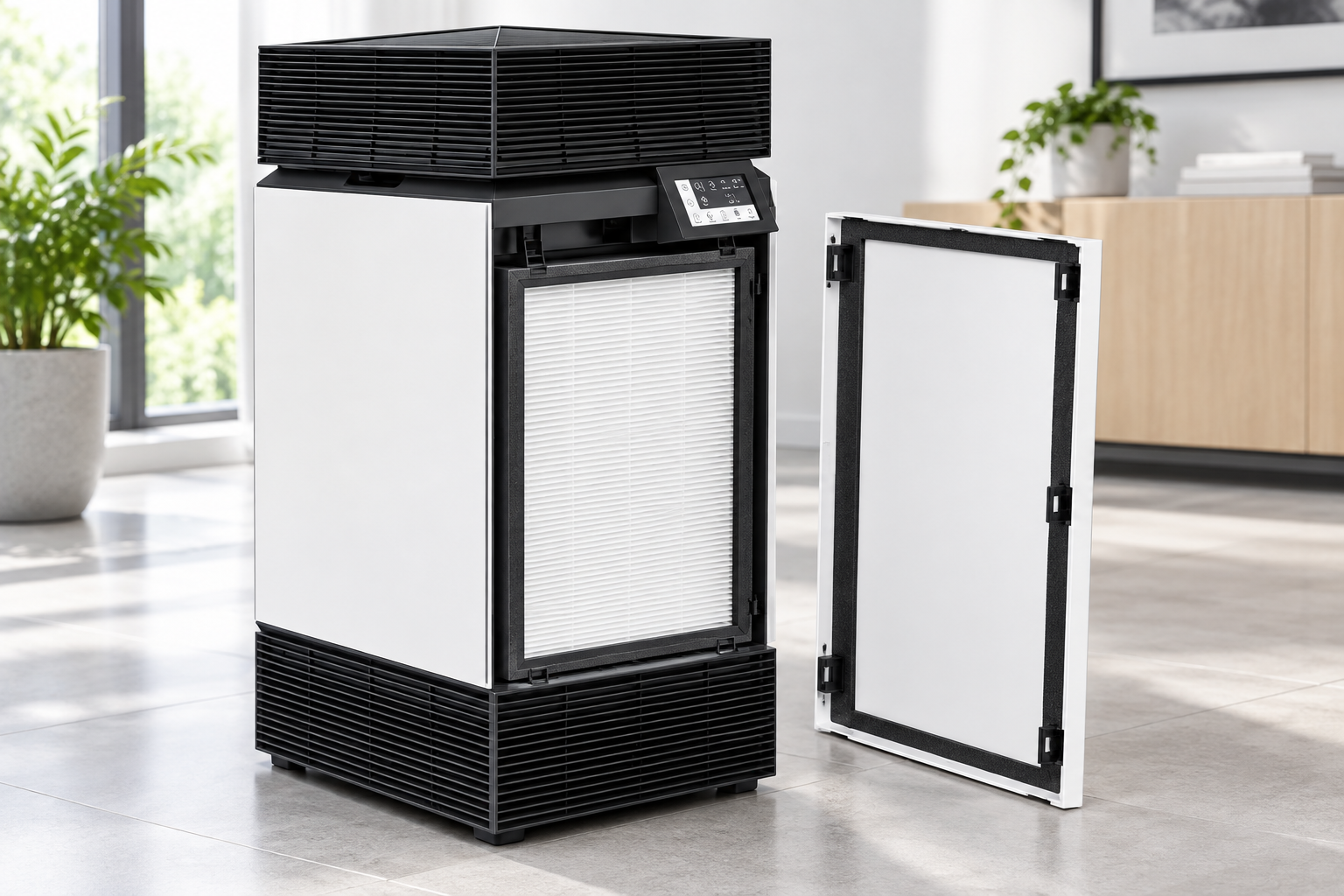
The powerful, top-of-the-line Coway Storm anti-allergy air purifier: 492 m³/h, up to 100 m²
749 €
-
NEW
 Available
Top-of-the-line anti-allergy air purifier Coway Airmega 150, 263 m³/h, up to 55 m²
256 €
-
NEW
 Available
Top-of-the-line Coway AP-1220B Air Purifier for People with Allergies
469 €
Independent Testing: ECARF, Allergy UK, and AHAM
Beyond core filter standards, several recognized international bodies assess how well an entire air purifier performs for people suffering from allergies, asthma, or chemical sensitivities:
- ECARF (European Centre for Allergy Research Foundation): The ECARF Seal of Quality is awarded to purifiers proven to reduce airborne pollen, house dust mites, and pet allergens without generating symptom-triggering side effects.
- Allergy UK: The British Allergy Foundation’s Seal of Approval verifies that a product has been scientifically tested and proven to restrict, remove, or destroy specific allergens.
- AHAM (Association of Home Appliance Manufacturers): The AHAM Verifide program measures Clean Air Delivery Rate in accordance with ANSI/AHAM AC-1, providing verified ratings for tobacco smoke, dust, and pollen removal.
These accreditations ensure that air purifiers for allergy and asthma sufferers deliver measurable symptom relief and support healthier breathing day and night.
Performance and Clean Air Delivery Rate (CADR)
High filter efficiency is only half the equation; a purifier must also circulate air through that filter quickly and consistently. Practical performance is measured via the Clean Air Delivery Rate (CADR), standardized internationally under IEC 63086-2-1.
CADR reflects the volume of contaminant-free air a device produces per hour (expressed in m³/h or CFM). To maintain high indoor air quality, a unit should be powerful enough to filter the complete volume of a room at least 3 to 5 times per hour (Air Changes per Hour, or ACH).
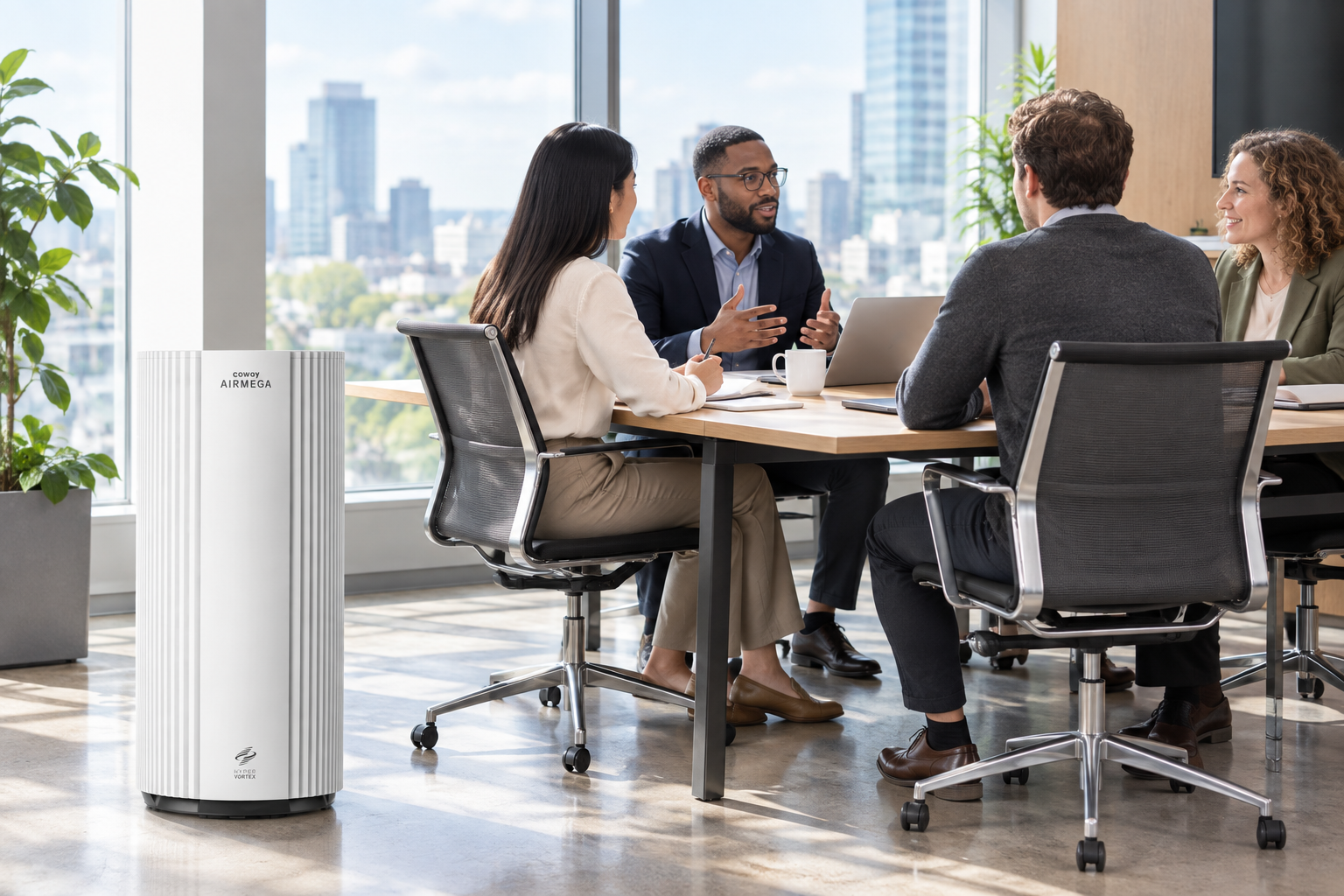
Adequate air exchange is especially vital in shared, high-occupancy environments such as conference rooms, classrooms, and reception areas, where antiviral air purifiers are needed to clear infectious aerosols and respiratory droplets in real time.
-
NEW -31%
 Available
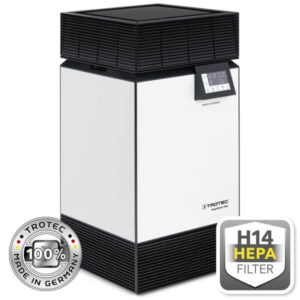
H14 HEPA Filter and High-Performance Air Purifier AirgoClean® ONE
Original price was: 1 299 €.899 €Current price is: 899 €.
-
 Available
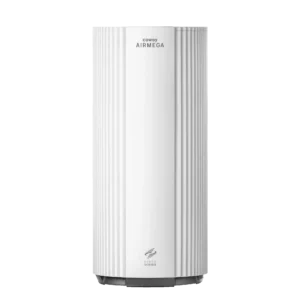
The ultra-powerful and efficient Coway Airmega 450 air purifier for areas up to 191 m²
689 €
-
 Available
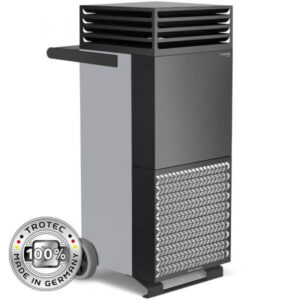
Trotec TAC ECO Certified Virus Remover
2 899 €
Safety Standards and Technical Specifications
A quality air purifier must clean your air without introducing secondary hazards. Key technical considerations include:
- CE Marking and Declaration of Conformity: The CE mark confirms adherence to mandatory European Union safety, health, and environmental requirements. Consumers have the right to request the EU Declaration of Conformity from suppliers.
- Ozone-Free Operation: Devices utilizing electronic ionization or plasma technologies must be certified to prevent harmful ozone generation. Agencies such as the German Environment Agency (UBA) and the US EPA warn against ozone-producing units in occupied spaces because ozone irritates the respiratory tract. Look for clear certifications such as UL 2998 (Zero Ozone Emissions).
- Acoustic Comfort: According to REHVA guidelines, continuous ventilation and purification equipment should not exceed 30 dB(A) in bedrooms, 35 dB(A) in living areas and classrooms, and 40 dB(A) in open-plan offices. Certified units offer ultra-quiet sleep modes while maintaining adequate air turnover.
- Energy Efficiency: The IEC 63086-1 standard assesses energy efficiency by comparing the clean air volume produced to electrical power drawn, ensuring continuous 24/7 operation remains economical.
Choosing the Right Solution for Your Space
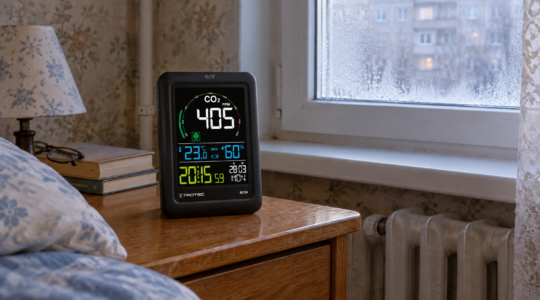
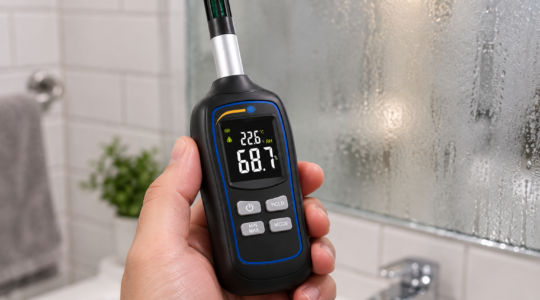
Selecting the right purifier starts with evaluating your specific indoor environment. When the primary source of pollution is unclear, a professional indoor air quality assessment can provide precise data on fine particulate matter (PM2.5, PM10), volatile organic compounds (VOCs), and carbon dioxide levels.
By insisting on certified filter standards, verified CADR ratings, and zero-emission operation, you ensure clean, healthy indoor air backed by genuine science.
Frequently Asked Questions
No. The CE mark only confirms compliance with European Union electrical safety and electromagnetic compatibility standards. It does not measure air-cleaning performance or allergen reduction. To verify real-world efficacy, look for test results aligned with EN 1822 and IEC 63086, along with endorsements from bodies like ECARF or AHAM.
“True HEPA” is an American commercial term indicating at least 99.97% efficiency for 0.3 µm particles. The European EN 1822 standard provides a stricter, standardized scale: Class H13 requires at least 99.95% efficiency, while Class H14 requires at least 99.995% efficiency at the Most Penetrating Particle Size (MPPS).
Ozone is a lung irritant that can trigger asthma attacks, worsen respiratory conditions, and cause permanent lung tissue damage. Leading environmental and public health authorities strongly recommend using mechanical HEPA filtration or devices certified as zero-ozone (such as UL 2998) in occupied spaces.