

The average person takes roughly 20,000 breaths a day, inhaling around 12,000 liters—or 12 cubic meters—of air. Most of us spend up to 90% of our lives indoors, whether at home, at work, or at school. Ironically, indoor air is often far more contaminated than the air outside, carrying fine dust, chemical fumes, allergens, and excess moisture. Clean indoor air isn’t just a comfort; it is essential for deeper sleep, sharper focus, and long-term respiratory health.
Creating a healthier indoor environment takes a multi-pronged approach: eliminating pollutant sources, ensuring continuous ventilation, balancing humidity, and deploying targeted air purification systems when needed.
Major Sources of Indoor Air Pollution at Home
A single cubic meter of indoor air can harbor millions of microscopic particles. While some drift in through open doors and windows, everyday household activities generate a significant portion. Common invisible indoor air pollutants include:
- Particulate matter (PM2.5 and PM10): Generated by cooking, burning candles, wood-burning stoves or fireplaces, and tobacco smoke. These fine and ultrafine particles can penetrate deep into the lungs and bloodstream.
- Volatile organic compounds (VOCs) and formaldehyde: Emitted by building materials, newly manufactured furniture, paints, varnishes, adhesives, household cleaners, and synthetic fragrances.
- Biological pollutants: Mold spores, dust mites, bacteria, viruses, and pet dander. These thrive primarily in poorly ventilated spaces with elevated moisture levels.
- Combustion gases and carbon monoxide (CO): Unvented or faulty gas ranges, boilers, and heaters can release hazardous levels of nitrogen dioxide (NO₂) and deadly carbon monoxide.
- Radon: A naturally occurring, invisible radioactive gas that migrates from the soil into buildings through foundation cracks. In Estonia, the national reference level for indoor radon is 300 Bq/m³ (and 200 Bq/m³ in childcare and healthcare facilities).
Practical Steps to Minimize Indoor Pollutants
Before investing in specialized equipment, small changes to everyday habits can dramatically lower emissions at the source:
- Always turn on the range hood when cooking: Run the exhaust fan to capture grease, steam, and combustion gases before they disperse through the home.
- Opt for low-emission materials: When renovating or decorating, choose low-VOC building supplies and water-based paints. Keep spaces thoroughly ventilated during and after application.
- Use damp cleaning methods: Wipe surfaces with a damp microfiber cloth to trap dust instead of scattering it into the air. Vacuum carpets and upholstery using a vacuum equipped with a certified HEPA filter.
- Schedule regular heating maintenance: Have a certified technician inspect gas appliances, wood stoves, and fireplaces annually, and keep chimney flues regularly swept.
- Install carbon monoxide alarms: Place certified CO detectors (compliant with standard BS EN 50291) in every room with a fuel-burning appliance, stove, or fireplace.
- Test for radon: Measure radon levels during the heating season over a period of at least two months in ground-floor and frequently occupied rooms like bedrooms and living areas.
Effective Ventilation: A Continuous Supply of Fresh Air
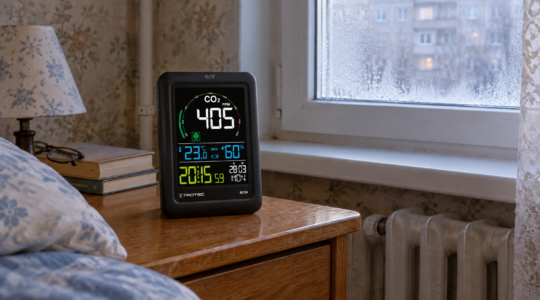
Air purification alone cannot replace fresh oxygen or dissipate carbon dioxide (CO₂). In tightly sealed rooms without active ventilation, exhaled CO₂ accumulates rapidly, often exceeding recommended thresholds (800–1,000 ppm). This build-up causes morning grogginess, headaches, and decreased focus.
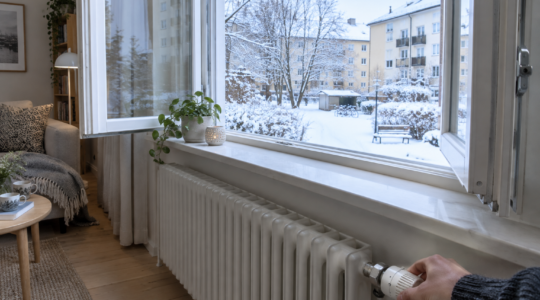
Opening windows wide for 15 minutes three times a day provides a quick flush of fresh air. However, in winter this wastes valuable heat, and in summer it invites outdoor pollen, dust, and street noise inside.
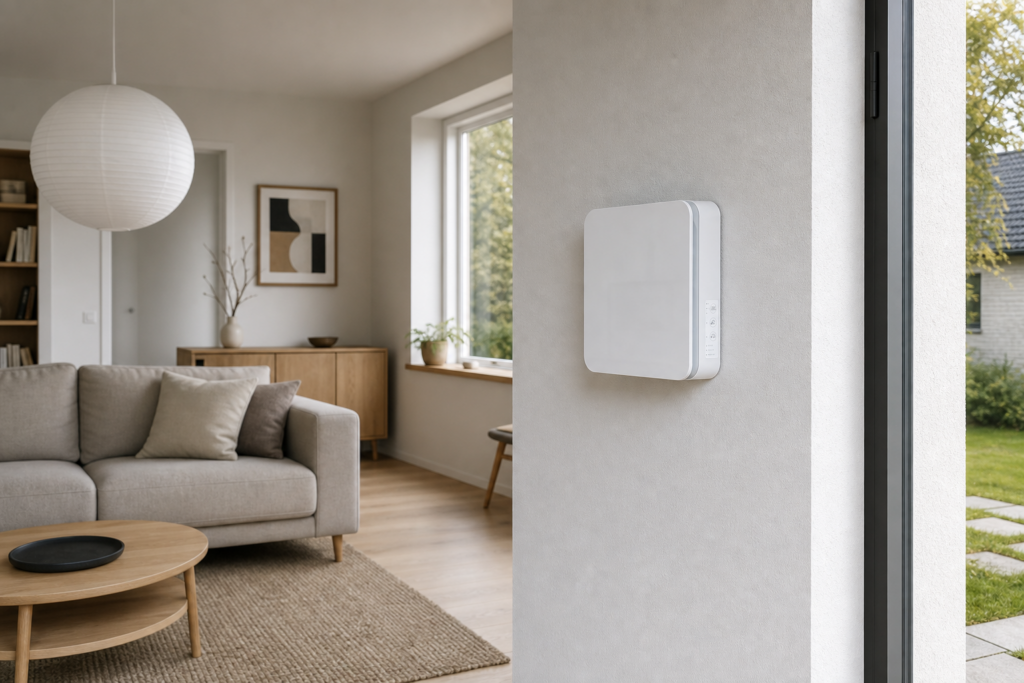
For homes and apartments without central HVAC systems, single-room heat recovery ventilators (decentralized HRVs) offer an ideal retrofit. Installed through an exterior wall, these units alternate between exhausting stale indoor air and drawing in fresh outdoor air. A ceramic heat exchanger absorbs warmth from outgoing air and transfers it to incoming filtered air with thermal efficiency rates between 90% and 97%—keeping the room continuously fresh without driving up heating bills.
-
-18%
 Available
BSK Zephyr Heat Recovery Ventilation Unit, up to 60 m³/h, Wi-Fi/RH%
Original price was: 351 €.288 €Current price is: 288 €.
-
-7%
 Available
Ideal Clima Kers+25 Ultra-Quiet Heat Recovery Ventilator – Fresh Air with Low Energy Consumption
Original price was: 321 €.298 €Current price is: 298 €.
-
 Available
Top-of-the-Line Blauberg VENTO inHOME W 50 m³/h Wi-Fi Heat Recovery Ventilator
369 €
Managing Indoor Humidity Levels
Relative humidity plays a central role in both indoor air quality and comfort. Health experts recommend maintaining indoor relative humidity between 35% and 60%.
- Low humidity (below 35%): Common during cold winter months when heating systems run continuously. Overly dry air parches the mucous membranes in the nose and throat, lowering your defenses against airborne pathogens. Respiratory droplets also linger in the air longer under low humidity.
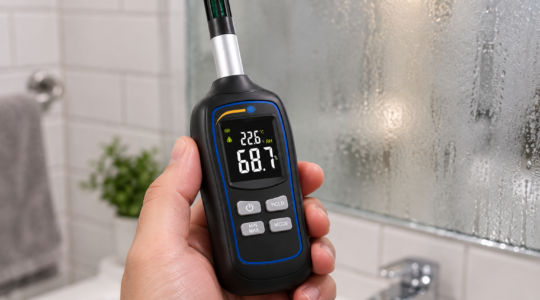
- Excess humidity (above 60%): Triggered by showering, indoor clothes drying, and inadequate ventilation. Persistent moisture leads to window condensation and creates an ideal breeding ground for toxic mold and dust mites.
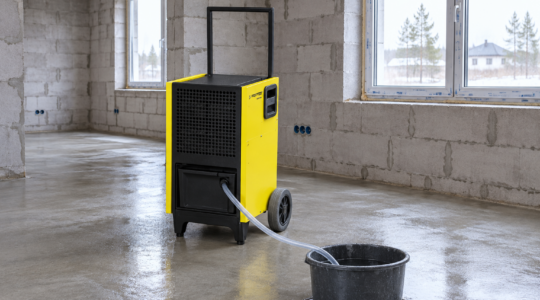
To stabilize moisture levels, run a dehumidifier during muggy summers or in damp basements, and use a dedicated humidifier in the winter. Continuous balanced ventilation through a heat recovery system also helps stabilize humidity year-round.
Using Air Purifiers to Elevate Indoor Air Quality
While ventilation replenishes oxygen and removes carbon dioxide, air purifiers actively clean the air already circulating within the room. Air purifiers designed for allergy and asthma relief capture the fine airborne particles and allergens that ventilation alone might miss.
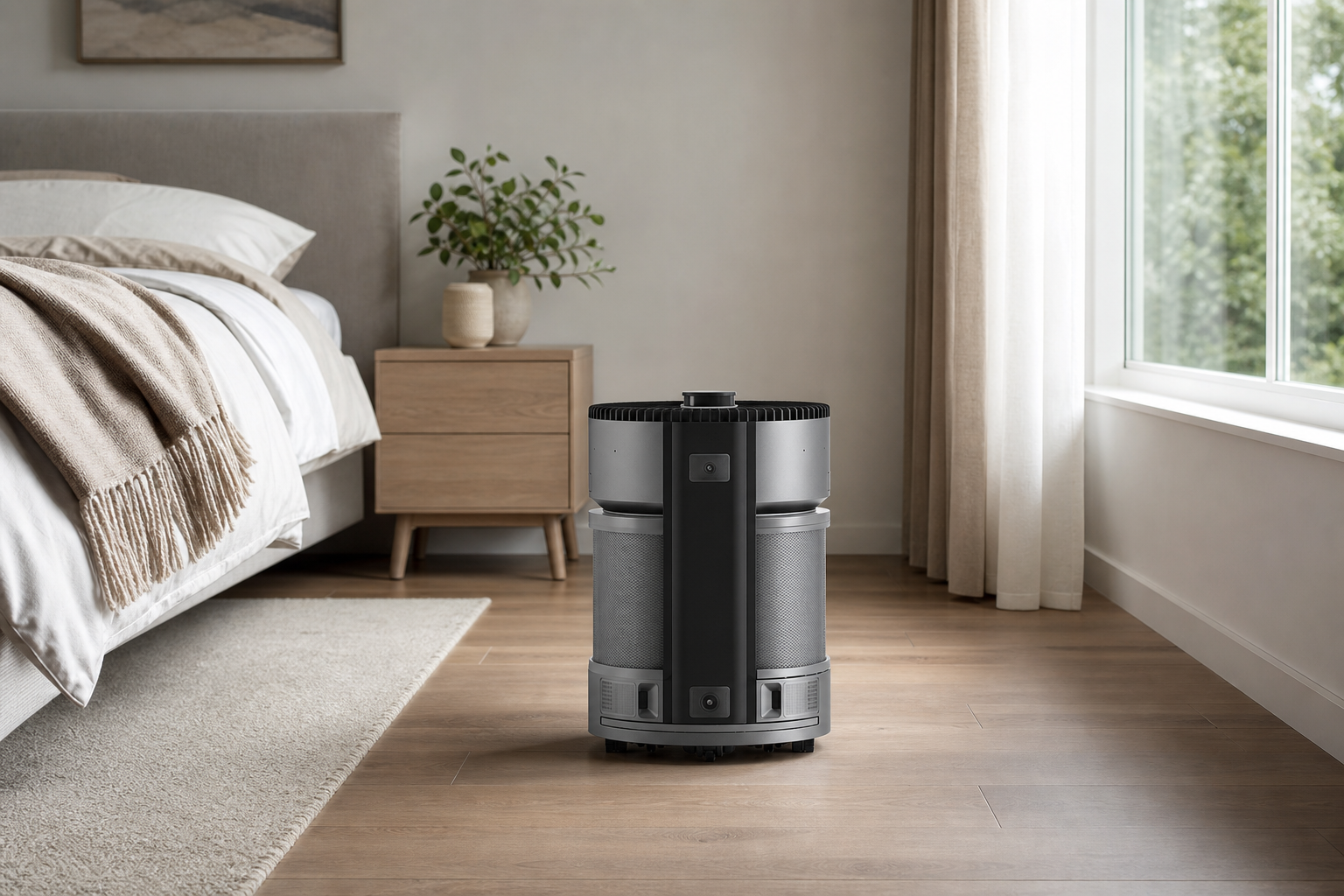
An effective air purifier uses a multi-stage filtration system:
- Pre-filter: Captures larger debris like dust clumps, lint, and pet hair, safeguarding the primary filters and prolonging their life.
- HEPA filter: High-efficiency particulate air filters capture at least 99.97% of airborne particles down to 0.3 microns, including PM2.5 dust, pollen, mold spores, and bacteria. While essential for removing solid particulates, a HEPA filter does not trap gases or introduce fresh oxygen.
- Activated carbon filter: Adsorbs volatile organic compounds, chemical fumes, cooking smells, and tobacco smoke through a dense network of micropores.
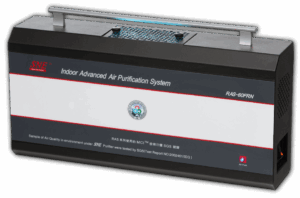
- Cold plasma or photocatalytic technology: Supplementary stages that neutralize pathogens and break down odor compounds at a molecular level without clogging physical filter media.
When choosing a unit, verify its Clean Air Delivery Rate (CADR). The purifier should have enough capacity to filter the room’s entire air volume three to six times per hour. Place it in a central spot away from obstructions, and avoid unmonitored ozone generators in occupied living spaces, as ozone is a harsh respiratory irritant. Replace filters according to manufacturer instructions, typically every 6 to 12 months.
Indoor Air Quality Testing and Assessment
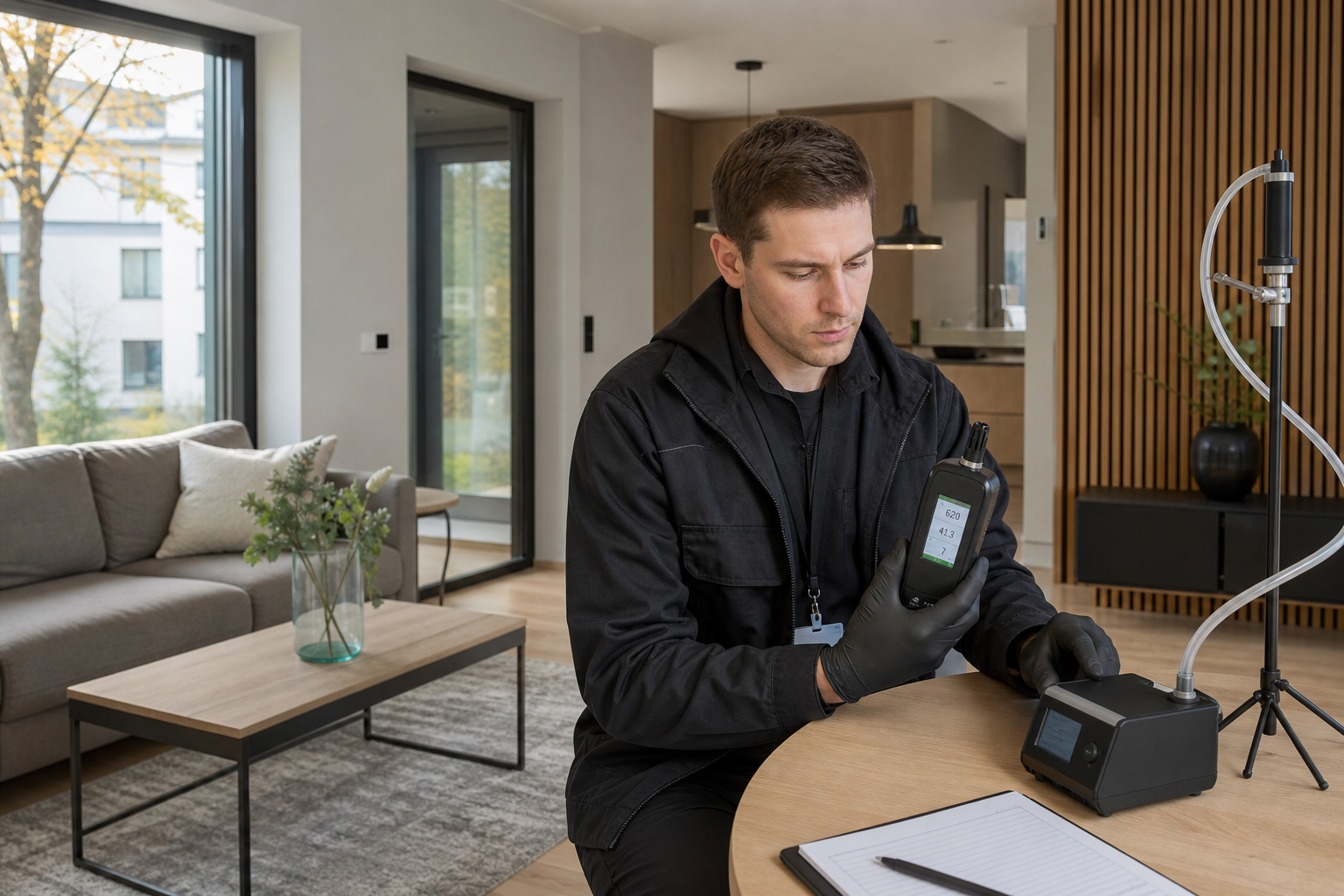
Every building has its own distinct indoor climate. If you regularly experience stuffy air, morning fatigue, unexplained allergy flare-ups, or condensation along window panes, testing your baseline air quality is the most reliable place to start.
To diagnose the issue accurately, Pro Air OÜ offers professional indoor air quality testing. Technicians measure carbon dioxide levels, relative humidity, temperature, particulate matter concentrations (PM2.5, PM10), and VOCs. Having concrete data allows you to select the right ventilation and air purification equipment for your specific space, eliminating guesswork and unnecessary expenses.
Clean Indoor Air Builds Long-Term Health
Improving indoor air quality does not require overly complicated systems—just a thoughtful, consistent strategy. By minimizing pollutant sources, introducing continuous fresh air through decentralized heat recovery ventilation, and capturing fine particulates with a quality HEPA air purifier, you can create a home environment that promotes restful sleep, daily energy, and long-term health in every season.
Frequently Asked Questions
No. An air purifier filters and recirculates the air already in the room, trapping dust, allergens, and odors. It does not generate oxygen or exhaust carbon dioxide (CO₂). A healthy indoor climate requires both fresh-air ventilation and active filtration.
HEPA and activated carbon filters usually need to be replaced every 6 to 12 months, depending on operating hours and indoor air quality. Pre-filters should be vacuumed or washed every few weeks.
A healthy relative humidity level ranges between 35% and 60%. In winter, indoor air often dips below 30%, which warrants a humidifier. In summer, humidity can climb above 60%, making a dehumidifier beneficial.