

As the heating season gets underway, many homeowners and apartment dwellers notice a familiar, uncomfortable shift: indoor air becomes noticeably dry. While energy-efficient building standards, modern insulation, and upgraded heating systems keep energy bills low, they often create an indoor climate where relative humidity drops to uncomfortably low levels.
For optimal health and comfort, indoor relative humidity should ideally stay between 40% and 50%. During winter, however, continuous heating combined with mechanical ventilation can cause indoor humidity to drop below 20% to 30%, quickly affecting your health, daily comfort, and home furnishings.
The Physics Behind Dry Air: Why Heating Lowers Humidity
To understand why winter air indoors feels so parched, it helps to distinguish between absolute and relative humidity. Absolute humidity refers to the actual mass of water vapor (in grams) present in a cubic meter of air. Relative humidity (RH), on the other hand, measures how much moisture the air currently holds compared to the maximum amount it could hold at that specific temperature.
Warm air has a far higher moisture-carrying capacity than cold air. For instance, at a room temperature of 20 °C, air can hold up to 17 g/m³ of water vapor. In freezing conditions, that capacity drops to just a fraction of that amount.
When cold outdoor air enters a home through ventilation vents or an open window, it rapidly warms to room temperature. While the absolute amount of water vapor remains the same, the warmer air’s increased capacity means its relative humidity plummets. Outdoor air at −8 °C with 100% relative humidity, once brought inside and heated to 20 °C, drops to a relative humidity of roughly 15%.
The more cold outdoor air that circulates through your home and the higher you set your thermostat, the drier your living environment becomes. For a closer look at optimal indoor moisture levels throughout the year, read our comprehensive guide on what the right indoor humidity level is for your home.
How Dry Indoor Air Affects Health and Your Home
Low humidity is far more than an inconvenience; it produces measurable physiological and physical effects across your living spaces:
- Respiratory irritation and lower immune defenses: Dry air parches the mucous membranes lining your nasal passages and throat, impairing mucociliary clearance—the respiratory system’s primary line of defense against viruses and bacteria. When indoor relative humidity falls below 38%, the risk of respiratory discomfort and infection climbs substantially.
- Eye strain and irritated skin: Dry air speeds up the evaporation of your tear film, causing red, scratchy, and fatigued eyes, particularly when working at screens. Skin loses moisture rapidly, leading to tightness, itching, and worsened symptoms for those with eczema or atopic dermatitis.
- Static electricity and lingering airborne dust: Low moisture levels encourage static electricity on synthetic fabrics and household surfaces. Furthermore, fine dust particles, allergens, and pet dander remain suspended in dry air much longer rather than settling onto surfaces where they can be cleaned.
- Damage to wood and interior finishes: Wood is a hygroscopic material that continuously balances its moisture content with the surrounding air. In overly dry conditions, hardwood floors, door frames, fine wood furniture, and musical instruments can shrink, warp, and crack.
Measuring and Monitoring Indoor Humidity
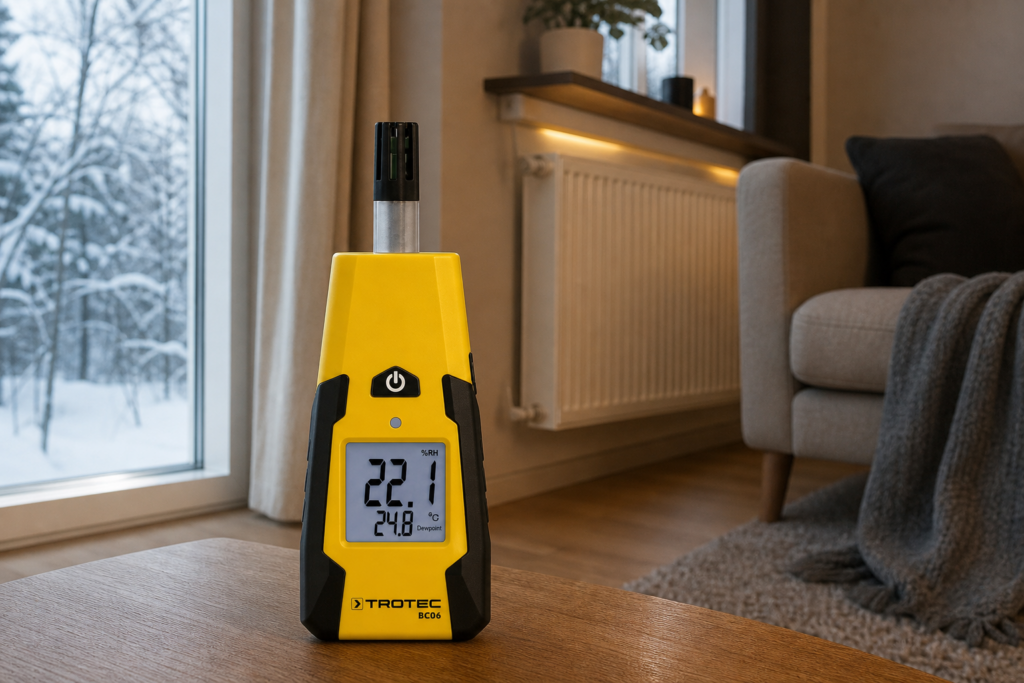
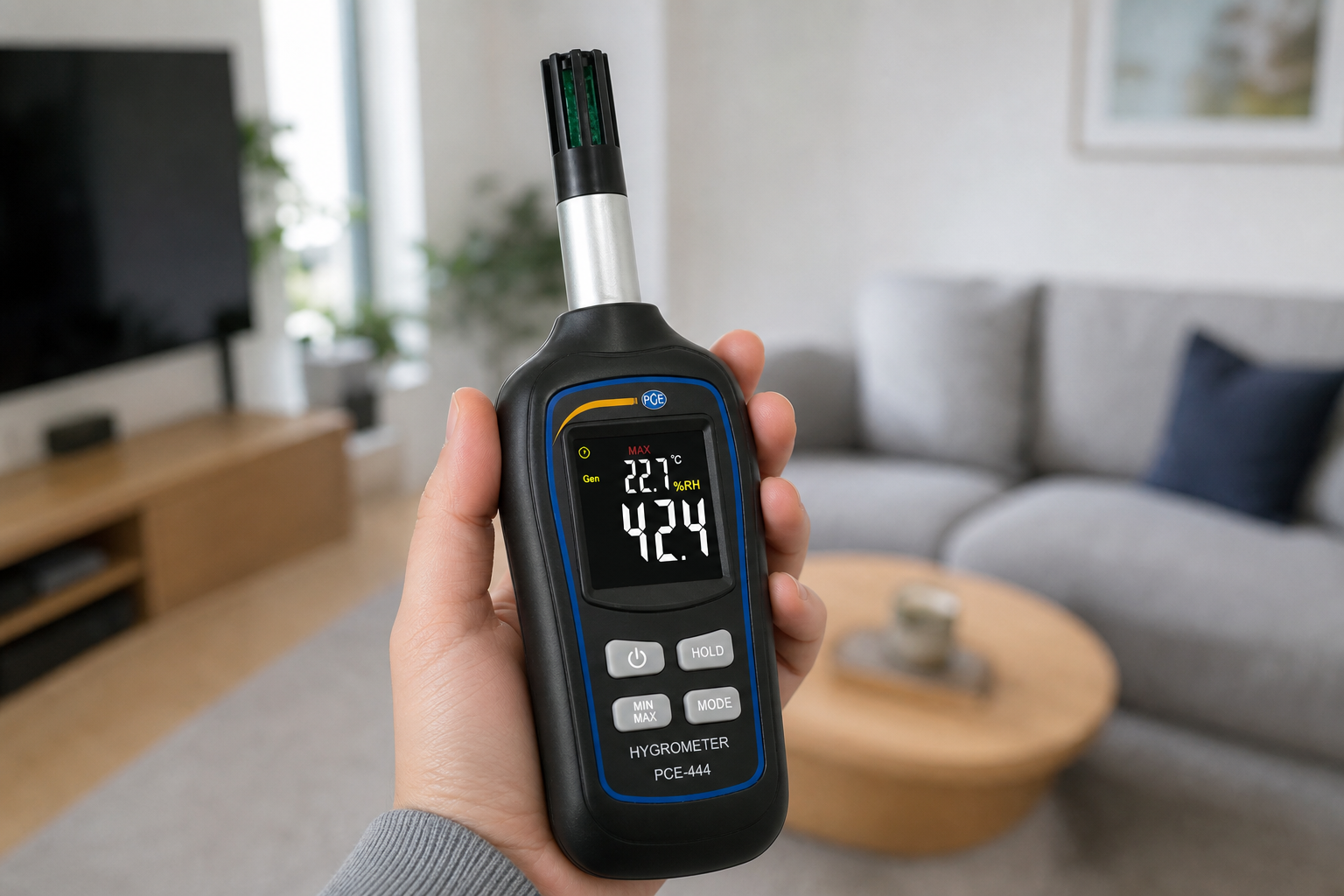
Before investing in a humidifier, it is best to establish baseline humidity levels throughout your home. A digital hygrometer provides an accurate, real-time snapshot of your indoor environment. Dedicated temperature and humidity measuring devices allow you to track relative humidity, dew point, and ambient temperature simultaneously, giving you the data needed to balance your heating and ventilation effectively.


Choosing the Right Humidifier: Understanding Your Options
Humidifiers use several distinct technologies to add moisture to indoor air. Selecting the right model depends on room dimensions, local water hardness, noise tolerance, and maintenance preferences.
Evaporative (Cold Mist) Humidifiers
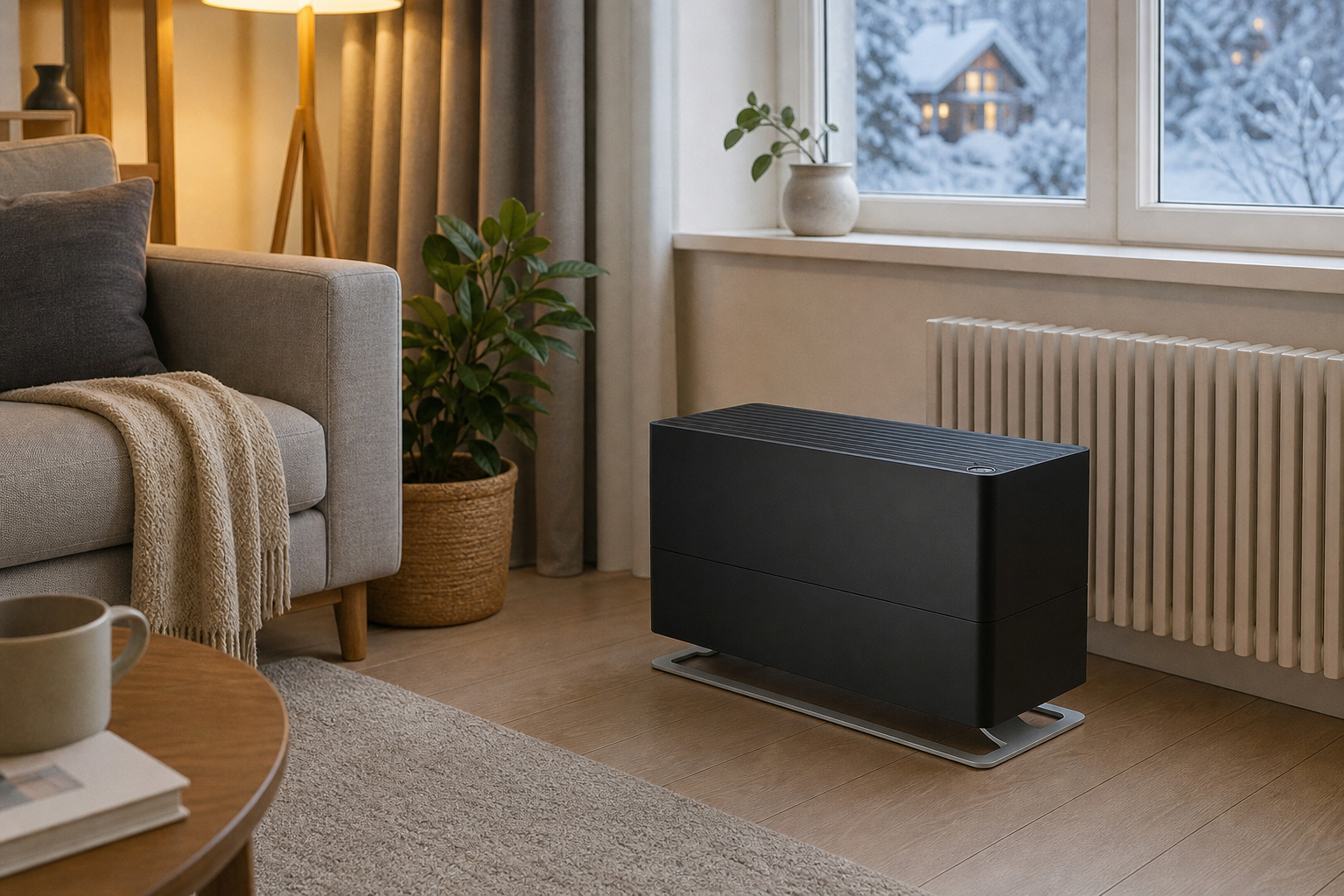
Evaporative humidifiers draw dry ambient air through water-saturated wicking filters using an internal fan. The air naturally evaporates and absorbs only the moisture it can hold at its current temperature, making over-humidification virtually impossible.
A major benefit of this technology is mineral-free output: dissolved minerals and limescale are captured directly within the filter rather than dispersed into the room as fine white dust. Evaporative units are whisper-quiet, safe, and highly energy-efficient, typically drawing just 4 to 70 watts. To find a clean, hassle-free option, browse our selection of dust-free humidifiers.
-
 Available
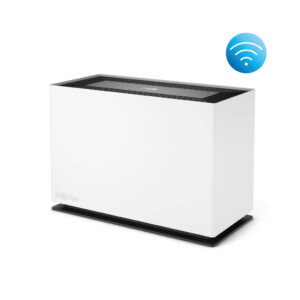
Stadler Form Noah Pro Natural Air Dehumidifier, up to 1,000 ml/h
279 €
-
 Available
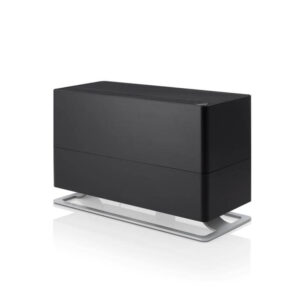
Stadler Form Oskar Big Natural Air Humidifier (Black)
199 €
-
 Available
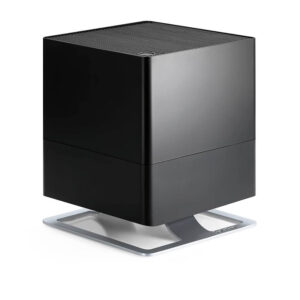
Stadler Form Oskar Natural Air Humidifier (Black) for up to 20 m²
129 €
-
 Available
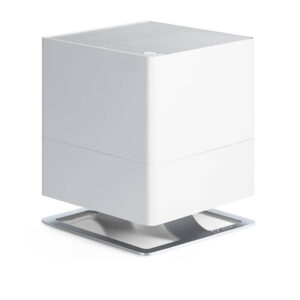
Stadler Form Oskar Natural Air Humidifier (White) for up to 20 m²
129 €
Ultrasonic Humidifiers
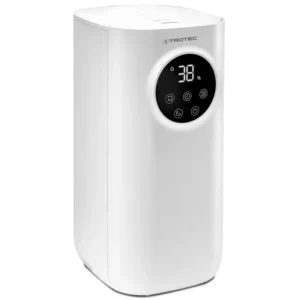
Ultrasonic humidifiers use a high-frequency vibrating diaphragm to atomize water into a micro-fine, visible mist that is quietly dispersed into the living space. Operating at extremely low sound levels (frequently under 25 dB), these units are ideal for bedrooms, nurseries, and quiet home offices. To prevent mineral residue on nearby furniture, pair them with a demineralization cartridge or use softened or distilled water. Explore our curated range of ultrasonic humidifiers.
Air Washers
Air washers combine humidification and air purification into a single appliance. These systems draw ambient air over rotating wet discs or specialized multi-stage filters, washing out larger airborne particles like dust, pollen, and pet allergens while releasing clean, balanced humidity back into the room.

Explore our complete range of climate appliances for every room size on our home and office humidifiers page.
Best Practices for Humidifier Operation and Maintenance
Consistent maintenance ensures your humidifier runs efficiently, safely, and hygienically:
- Refresh water daily: Empty and rinse the water tank every day, refilling it with fresh tap water to prevent stagnant water buildup.
- Clean internal parts regularly: Thoroughly wash the water basin and accessible surfaces every few days to eliminate limescale, mineral deposits, and biofilm using a soft cloth or brush.
- Replace filters as recommended: Evaporative wick filters should typically be replaced every 2 to 3 months, depending on usage and local water hardness.
- Monitor against over-humidification: Keep relative humidity within the ideal 40% to 50% range. If you notice condensation forming on cold window panes or exterior walls, lower the output or turn the device off.
Reliable Technology and Professional Indoor Climate Solutions
Pro Air OÜ partners with industry-leading international manufacturers to deliver high-performance indoor air quality solutions for residential and commercial properties. Our portfolio includes advanced systems from COWAY CO., LTD, whose dedicated research facilities and engineering teams pioneer patented multi-stage air treatment technologies.
When choosing a humidifier, take into account your room volume, building ventilation rates, and tap water quality. A properly sized, well-maintained humidifier will automatically balance indoor moisture throughout the winter, creating a healthier, more comfortable home for you and your family.
Frequently Asked Questions
Cold outdoor air contains very little absolute moisture. When that cold air enters your home and warms up to room temperature, its capacity to hold water increases dramatically, causing the indoor relative humidity to plummet further.
The optimal indoor relative humidity in winter is between 40% and 50%. Levels below 35% often trigger dry skin and respiratory irritation, while sustained levels above 60% can promote condensation and mold growth on cool surfaces.
White dust occurs when ultrasonic humidifiers disperse mineral-heavy tap water into the air. You can eliminate this issue by using an evaporative (cold mist) humidifier—which retains minerals inside its wicking filter—or by using demineralized water and specialized scale-filtering cartridges with ultrasonic units.