

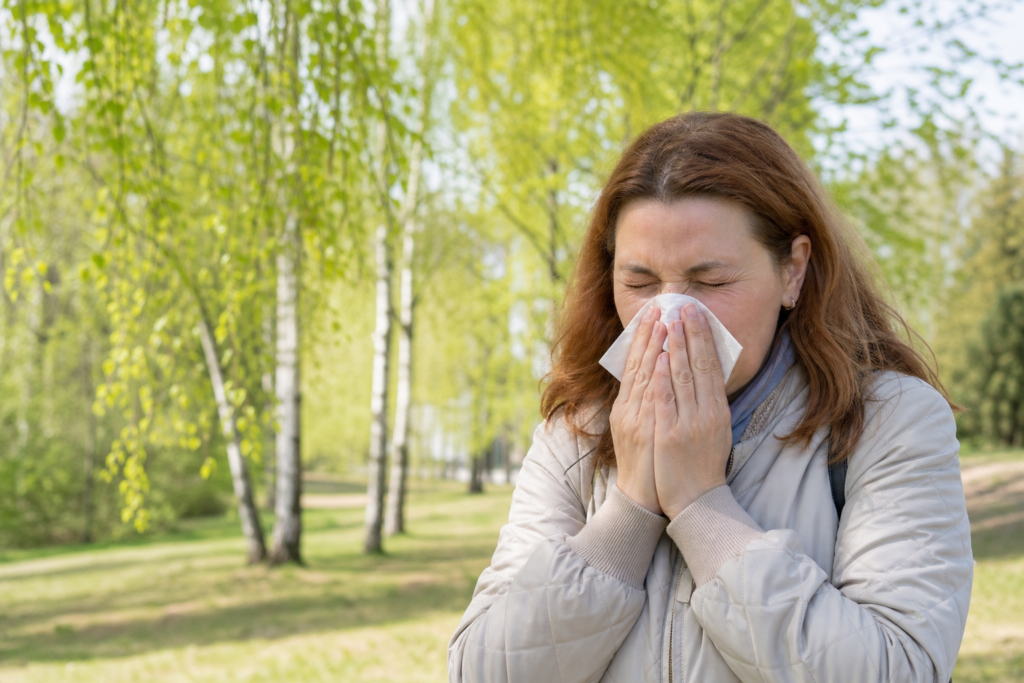
When nature awakens in spring, it brings a familiar wave of discomfort for many: runny noses, itchy eyes, and tightness or wheezing in the chest. If you typically rely solely on antihistamines or nasal sprays for temporary relief, looking at the bigger picture can make a world of difference. Pollen allergies and asthma often go hand in hand, taking a heavy toll on your sleep, daily focus, and overall quality of life.
Airborne triggers—such as pollen grains, dust mites, and pet dander—provoke inflammatory reactions throughout the entire respiratory tract. By understanding the connection between these conditions and maintaining an allergen-free indoor environment, you can effectively manage your symptoms and prevent flare-ups before they start.
The Link Between Pollen Allergies and Asthma: The Unified Airway
In modern medicine, the upper and lower respiratory tracts are treated as a single, interconnected system—a concept known as the “unified airway.” When your immune system misidentifies an airborne allergen as a threat, it produces allergen-specific Immunoglobulin E (IgE) antibodies. Upon repeated exposure, mast cells release chemical mediators, most notably histamine.
Histamine dilates blood vessels, causes tissue swelling, and accelerates mucus production. In seasonal allergies, this inflammatory cascade begins in the nasal lining (allergic rhinitis or pollinosis). Without proper management, the inflammation can travel further down into the lower respiratory tract, leading to bronchial spasms, airway constriction, and asthma attacks.
Allergic rhinitis also makes asthma significantly more difficult to control. When nasal passages are congested, mouth breathing takes over. This bypasses the nose’s natural filtering and humidifying system, delivering cold, dry, allergen-laden air straight into the lungs and aggravating sensitive bronchial tubes. Learn more about how pollen allergies affect your body and daily life.
Differentiating Symptoms: Hay Fever or an Asthma Flare-Up?
While allergic rhinitis and asthma share common triggers, their primary symptoms differ:
- Typical pollen allergy (hay fever) symptoms: Paroxysmal sneezing fits, clear nasal discharge or persistent congestion, red, itchy, and watery eyes, and an itchy palate or ear canals.
- Lower respiratory symptoms pointing to asthma: Audible wheezing, a persistent feeling of chest tightness or pressure, shortness of breath, and a dry cough that typically worsens at night or early in the morning.
- Red-flag symptoms requiring emergency medical care: Rapidly escalating breathlessness, difficulty speaking in full sentences or walking, bluish discoloration around the lips or nail beds, and poor or no response to a fast-acting rescue inhaler.
To diagnose asthma accurately and assess lung capacity, physicians perform spirometry and bronchodilator reversibility tests. Skin prick testing or specific IgE blood panels are then used to identify the exact environmental allergens responsible.
Pollen Season in Estonia and the Role of Weather
In Estonia, the pollen season runs from early spring through late summer. The cycle starts in early spring with alder and hazel, followed closely by birch—one of the region’s most potent and widespread allergens—which peaks between late April and May. From late May through August, grass pollens take over as the dominant airborne trigger.
Weather conditions significantly affect airborne pollen concentrations and how aggressively they irritate your airways:
- Wind and warm temperatures: Warm, breezy days lift dry, lightweight pollen grains into the air and carry them for tens of kilometers, elevating symptom severity across wide regions.
- Thunderstorms: Strong updrafts and high humidity can cause pollen grains to rupture through osmotic shock, breaking them into ultrafine fragments. These microscopic particles penetrate deep into the lower airways and can spark severe, acute attacks (often referred to as “thunderstorm asthma”).
- Urban air pollution and ozone: Particulate matter and ground-level ozone bind to pollen grains, amplifying their allergenicity and breaking down the protective lining of your respiratory mucous membranes.
Practical Steps to Relieve Symptoms and Prevent Attacks
Minimizing allergen exposure alongside your medical treatment plan is the most effective approach to keeping symptoms in check:
- Check the pollen count daily: On high-count days, reschedule outdoor workouts and limit extended periods spent outside.
- Keep windows shut: Keep home and vehicle windows closed during peak pollination hours. Use your car’s recirculated air setting when driving.
- Shower and change after coming inside: Strip off outdoor clothing and rinse your hair before going to bed to keep pollen from settling onto your pillow and furniture.
- Delegate garden chores: Have someone else mow the lawn during peak season, or wear a well-fitted protective mask (such as an FFP2/N95 respirator) if you must do it yourself.
- Stick to your prescribed treatment: Use daily nasal corticosteroid sprays and antihistamines consistently as directed by your doctor. If you have asthma, take your daily preventive (maintenance) inhaler regularly—not just when symptoms flare up.
Since most people spend up to 90% of their time inside, indoor air quality plays a decisive role in respiratory health. While outdoor pollen levels are beyond our control, we can turn our homes and offices into clean, safe refuges. Read more about how indoor air pollution and allergens affect your everyday well-being.
Effective Indoor Air Purification: Why a HEPA Filter Is Essential
Intact pollen grains measure between 10 and 60 micrometers, but fragmented particles and other household allergens (like pet dander and mite feces) are considerably smaller. Basic vacuum cleaners and standard room fans cannot capture these fine particles; instead, they often stir them up and recirculate them back into the breathing zone.
High-efficiency air purifiers with HEPA and activated carbon filters provide the most reliable line of defense for allergy and asthma sufferers. A certified True HEPA filter captures at least 99.97% of airborne particulate matter down to 0.3 micrometers, effectively trapping pollen, fungal spores, pet dander, and fine dust. An integrated activated carbon stage absorbs odors, gases, and volatile organic compounds (VOCs).
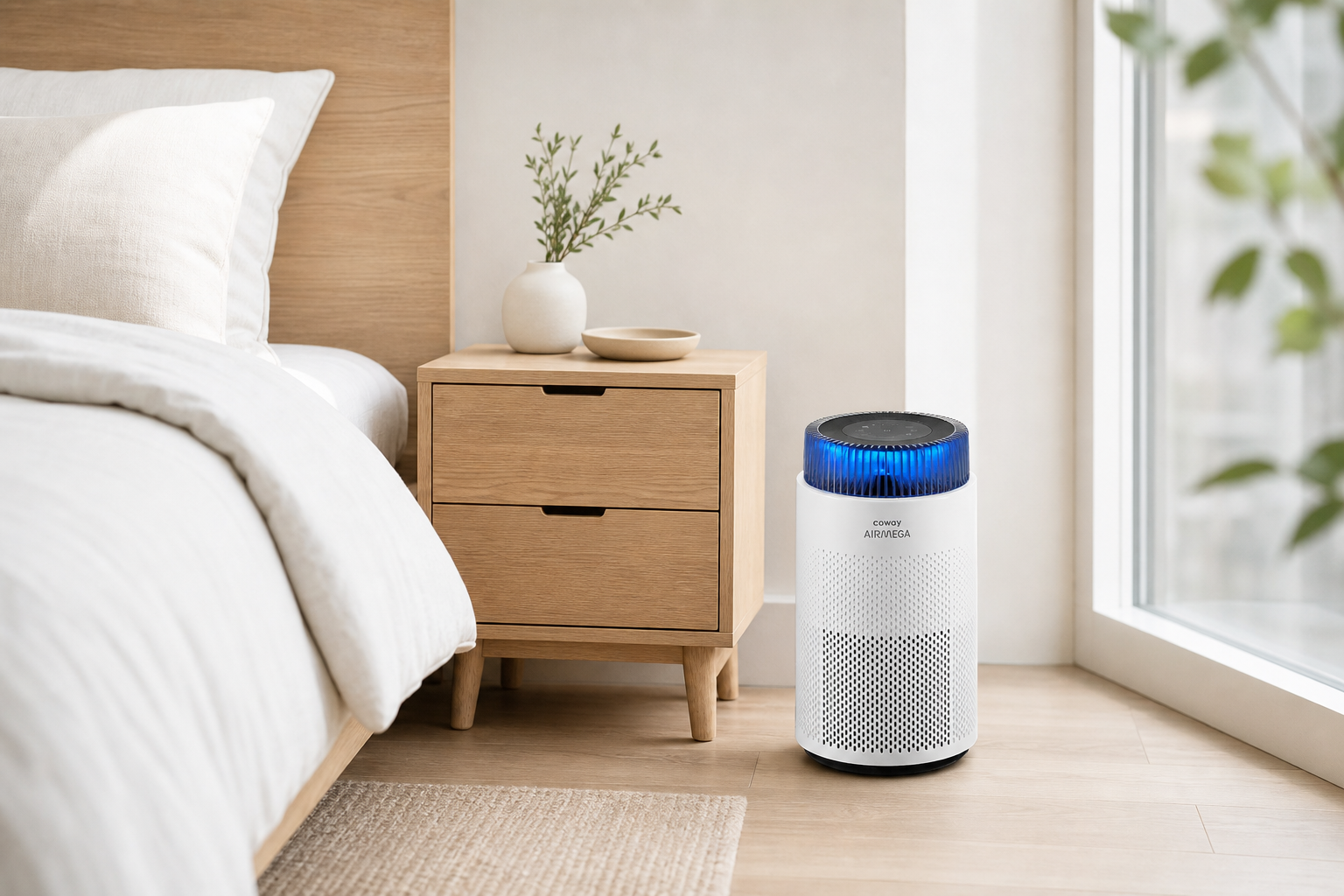
Pro Air OÜ recommends choosing air purifiers certified by independent bodies such as the European Centre for Allergy Research Foundation (ECARF) or recognized national allergy associations. These certifications verify that the unit delivers thoroughly filtered air without producing harmful by-products such as ozone.
Explore our tested, dependable air purifiers:

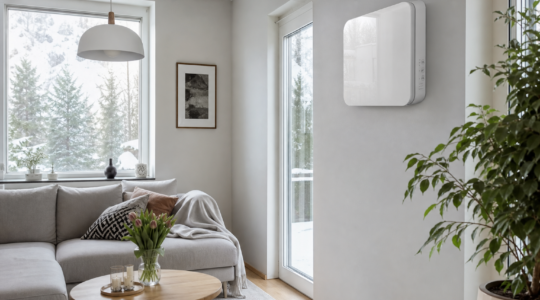
For spacious living rooms, open-concept layouts, or office spaces, choose high-capacity units designed to cycle the entire room volume through multi-stage filtration several times an hour:
-
 Available
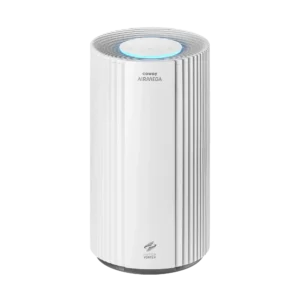
The most powerful top-of-the-line anti-allergy air purifier, the Coway Airmega: 561 m³/h, up to 117 m²
759 €
-
 Available
The New Powerful Anti-Allergy Air Purifier: Coway Airmega 350
649 €
-
NEW
 Available
The powerful, top-of-the-line Coway Storm anti-allergy air purifier: 492 m³/h, up to 100 m²
749 €
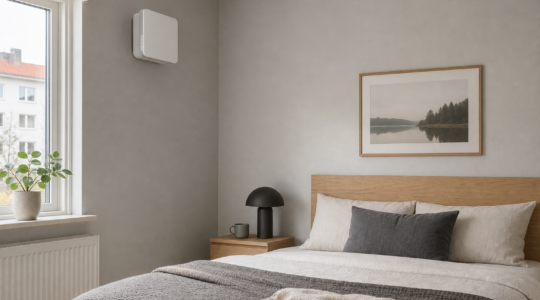
For bedrooms, nurseries, and smaller studies, whisper-quiet and energy-efficient units are ideal:

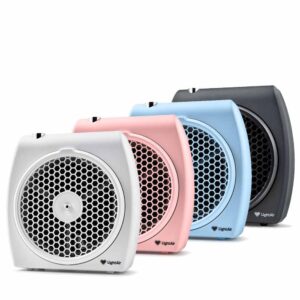
View our full lineup of air purifiers for allergy and asthma sufferers to breathe easy all season long.
Creating an allergen-free indoor environment is a long-term investment in your health. A properly sized, high-performance air purifier reduces the burden on your immune system, protects your lungs, and ensures you wake up refreshed and symptom-free.
Frequently Asked Questions
Yes. Poorly controlled allergic rhinitis is a well-established risk factor for developing asthma. Chronic inflammation in the upper airway can spread downward over time, increasing bronchial sensitivity and eventually leading to asthma symptoms.
An air purifier starts removing allergens immediately upon activation. Most individuals with allergic rhinitis or asthma report noticeable relief from nasal and chest irritation, as well as significantly better sleep, within 24 to 48 hours of continuous operation.
Yes. Keeping the purifier running continuously ensures new pollen entering through doorways, clothing, or natural ventilation is filtered out immediately. Modern units feature smart auto-modes that adjust fan speed dynamically based on air quality, along with ultra-quiet night modes that maintain clean air without disturbing your sleep.