

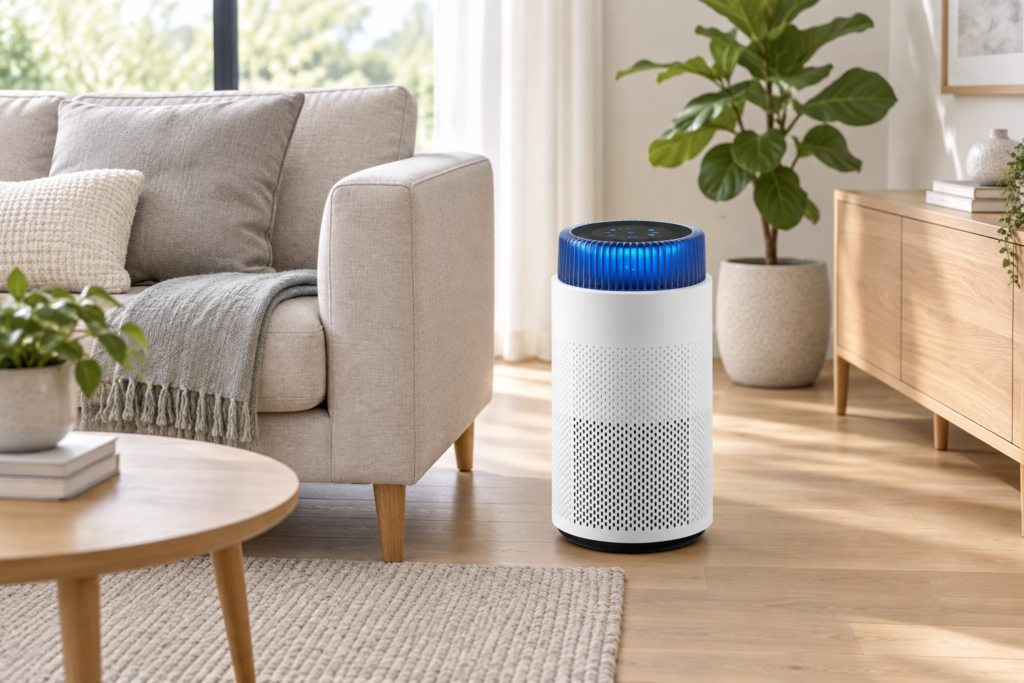
Clean indoor air directly impacts daily well-being, sleep quality, and overall health. Most people spend the vast majority of their time indoors, where air can harbor a wide range of invisible pollutants—from household dust and seasonal allergens to chemical fumes. A quality air purifier creates a cleaner, safer living environment by easing the burden on your respiratory system and safeguarding the entire household.
Choosing the right unit comes down to matching room size, filtration performance, and noise tolerance. This guide covers the essential factors to consider when selecting the best air purifier for your home.
Why Indoor Air Requires Continuous Filtration
Indoor air is frequently more polluted than outdoor air. Everyday activities and building materials constantly release airborne particles that linger in living spaces. Common indoor pollutants include:
- Dust mites, mold spores, and pet dander
- Pollen tracked in through open windows and on clothing
- Cooking fumes, aerosolized grease, and combustion byproducts
- Volatile organic compounds (VOCs) emitted by furniture, paints, and building materials
- Fine particulate matter drifting in from urban traffic and outdoor pollution
While standard ventilation systems help exchange indoor air, their intake filters primarily catch coarse debris, leaving microscopic contaminants and allergens in circulation. Over time, prolonged exposure to indoor air pollution can trigger fatigue, headaches, poor sleep, and respiratory irritation. Children, the elderly, and anyone living with asthma or allergies are especially vulnerable.
Room Size and CADR: Calculating Required Capacity
An air purifier’s effectiveness depends on its ability to circulate and clean enough air for a given space. The primary performance metric to look for is the Clean Air Delivery Rate (CADR), typically measured in cubic meters per hour (m³/h).
Asthma and allergy organizations across Europe and the Nordic region recommend choosing a unit capable of filtering a room’s total air volume two to four times per hour. To calculate your required capacity:
- Calculate room volume: Multiply floor area by ceiling height (for example, 20 m² × 2.5 m = 50 m³).
- Apply the air exchange rate: For a 50 m³ room, aim for a CADR between 100 and 200 m³/h.
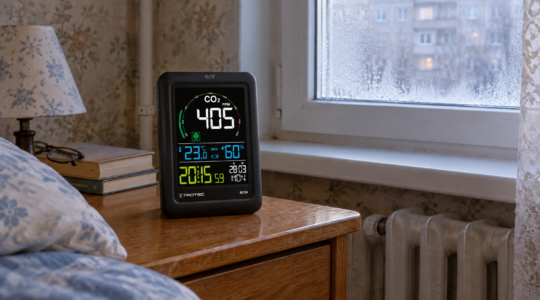
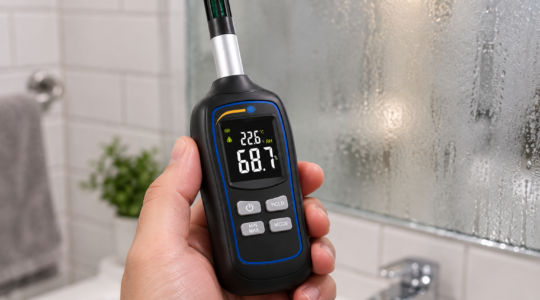
An undersized unit will have to run constantly at top speed, creating unnecessary noise and drawing more power. Choosing a model with ample capacity allows it to clean effectively on quiet, low-speed settings. If you want a clear baseline of your indoor environment first, professional indoor air quality testing can provide precise data before you buy.
Filtration Technologies: HEPA, Activated Carbon, and Pre-Filters
The core of any effective air purifier is a multi-stage filtration system. Because no single filter can capture every contaminant, reliable units combine several targeted layers:
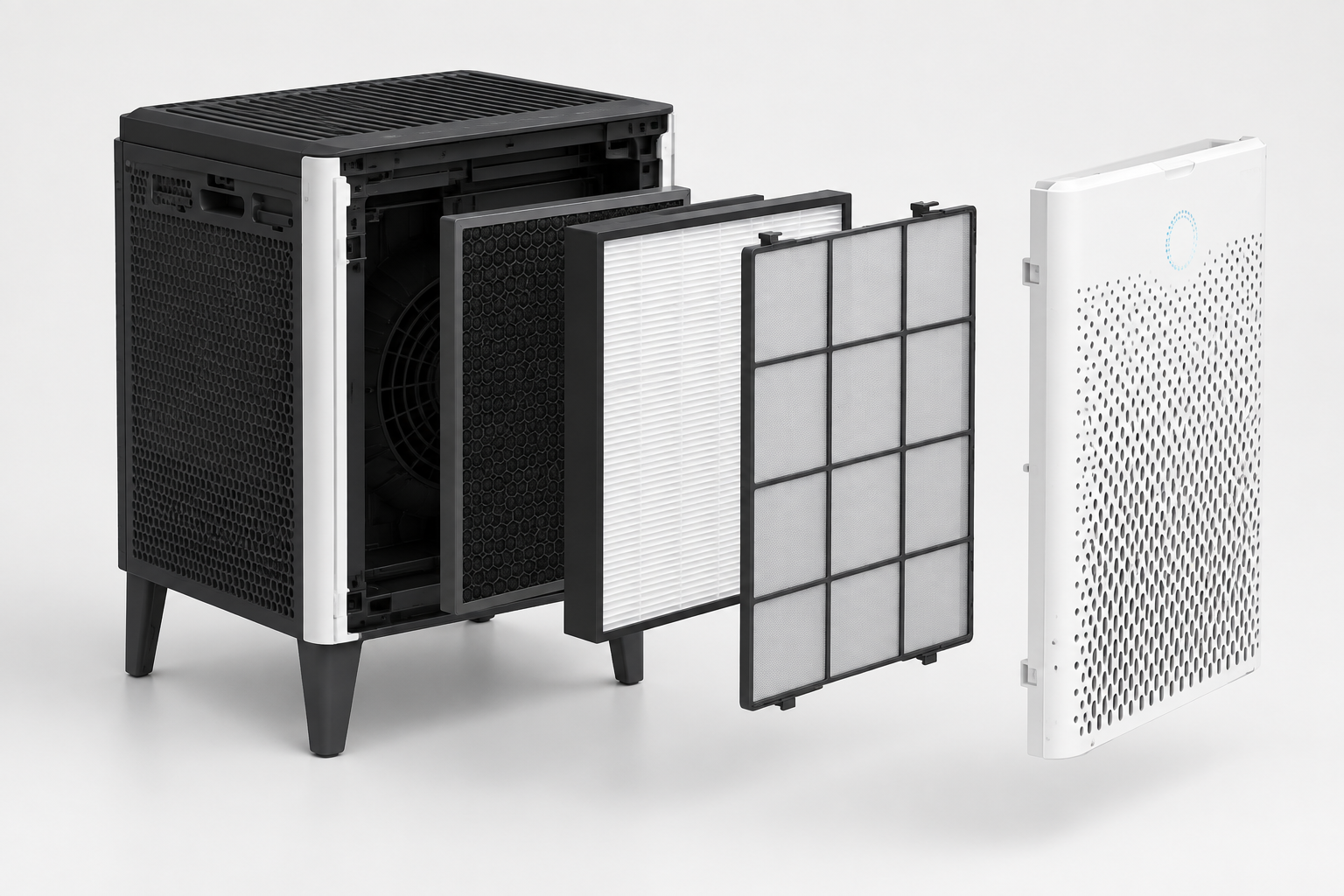
- Pre-filter: Traps large airborne debris like dust clumps, hair, and pet fur. This prevents premature clogging of the inner filters and extends their lifespan. Pre-filters can easily be vacuumed or rinsed.
- True HEPA filter: Captures up to 99.97% of airborne particles down to 0.3 microns, including pollen, bacteria, airborne viruses, and fine particulate matter. Certified air purifiers for allergy and asthma sufferers rely on True HEPA filtration to ensure medical-grade particle removal.
- Activated carbon filter: Adsorbs gases, household odors, tobacco smoke, and harmful chemicals. Because mechanical filters cannot trap gaseous pollutants, activated carbon is essential for neutralizing cooking smells and VOCs.
To maintain optimal airflow and filtration efficiency, replace filters on a regular schedule. You can find replacement supplies in our selection of air purifier filters for home and office.
Recommended Units for Bedrooms and Smaller Rooms
In bedrooms and nurseries, near-silent operation is essential for restful sleep. Units equipped with dedicated night modes keep noise levels to a minimum while maintaining steady multi-stage filtration throughout the night.

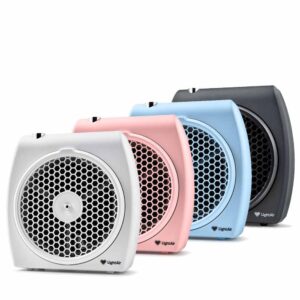
These compact models are ideal for bedrooms, home offices, and smaller rooms, delivering clean air with minimal power consumption.
High-Performance Air Purifiers for Open-Plan Spaces and Living Rooms
Open-plan living areas and larger apartments demand higher airflow to handle the particle loads generated by cooking and daily foot traffic. For larger floor plans, premium air purifiers offer high-capacity filters and intelligent air quality sensors.
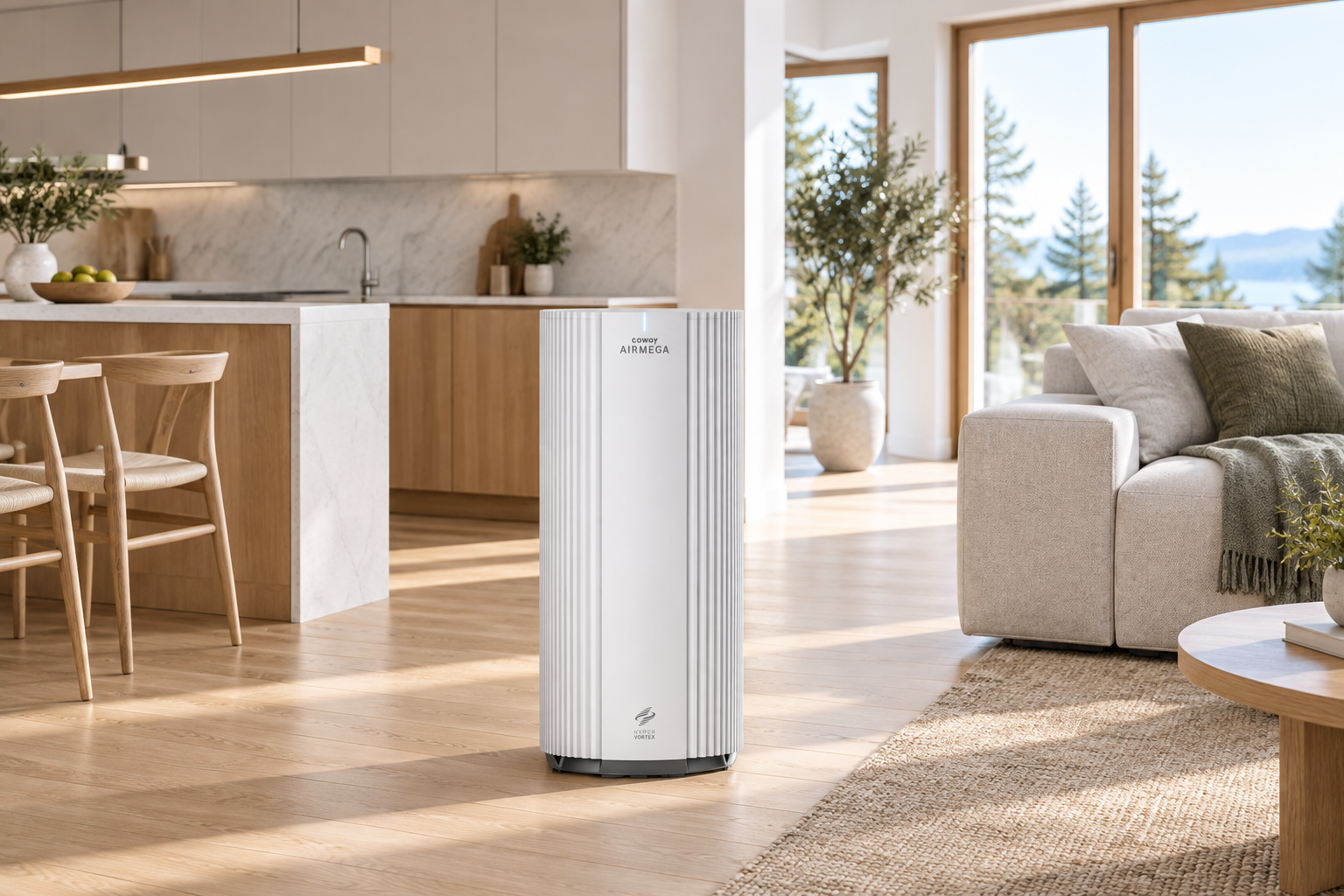

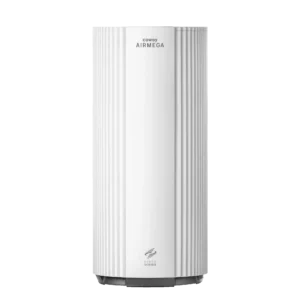
These high-output units automatically adjust fan speeds based on real-time pollution readings, ensuring consistent coverage across expansive spaces.
Practical Tips for Placement and Operation
To get the most out of your air purifier, keep these placement and operating tips in mind:
- Ensure unobstructed airflow: Avoid tucking the device behind curtains, under desks, or tightly between furniture. Leave at least 20–30 cm of open space around the air intakes and outlets.
- Place it where you spend the most time: If you have only one unit, keep it in the main living space during the day and move it to the bedroom at night.
- Run it continuously at low speeds: Air purifiers are designed to run continuously on low or auto mode rather than in short bursts at high speed.
- Stay on top of filter maintenance: Clean the pre-filter every few weeks, and replace the HEPA and carbon filters as recommended by the manufacturer or filter indicator.
Clean Indoor Air for a Healthier Home
A certified air purifier is one of the most practical investments you can make in your home’s indoor environment. By choosing a model with the right CADR and a combination of True HEPA and activated carbon filters, you can significantly reduce dust, allergens, and airborne odors. Pro Air OÜ offers a curated range of proven air purifiers from trusted manufacturers to help you maintain clean, healthy indoor air year-round.
Frequently Asked Questions
Yes. For consistent air quality, run the unit continuously on a low or automatic setting. This keeps pollutant levels low around the clock without excessive noise or energy use.
Pre-filters should be vacuumed or washed every 2 to 4 weeks. True HEPA and activated carbon filters generally need replacement every 6 to 12 months, depending on indoor air quality and usage.
No. Air purifiers capture particles, allergens, and odors from circulating air, but they do not introduce fresh oxygen or reduce carbon dioxide levels. They are designed to work alongside regular ventilation and fresh airflow.