

Clean, fresh indoor air is fundamental to a healthy home. However, in modern, well-insulated, and airtight buildings, achieving sufficient natural air exchange is a persistent challenge. Cracking a window open during the colder months quickly vents costly heat outside. A decentralized heat recovery unit—often referred to as a single-room heat recovery ventilator (HRV) or local recuperator—solves this problem, providing a steady supply of fresh, filtered air without driving up heating bills.
These units offer an intelligent ventilation solution for properties that lack central HVAC ductwork, or for anyone wanting to improve air quality in specific living spaces without undertaking extensive renovations. Compact, energy-efficient, and easy to install, they provide an accessible upgrade to any indoor climate.
What Is a Decentralized Heat Recovery Unit?
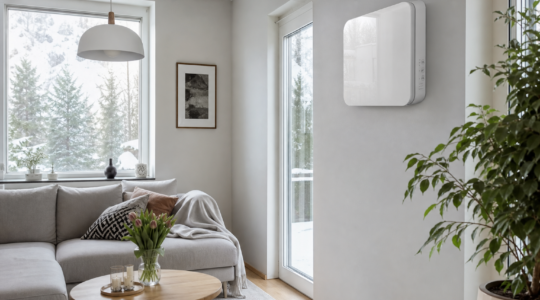
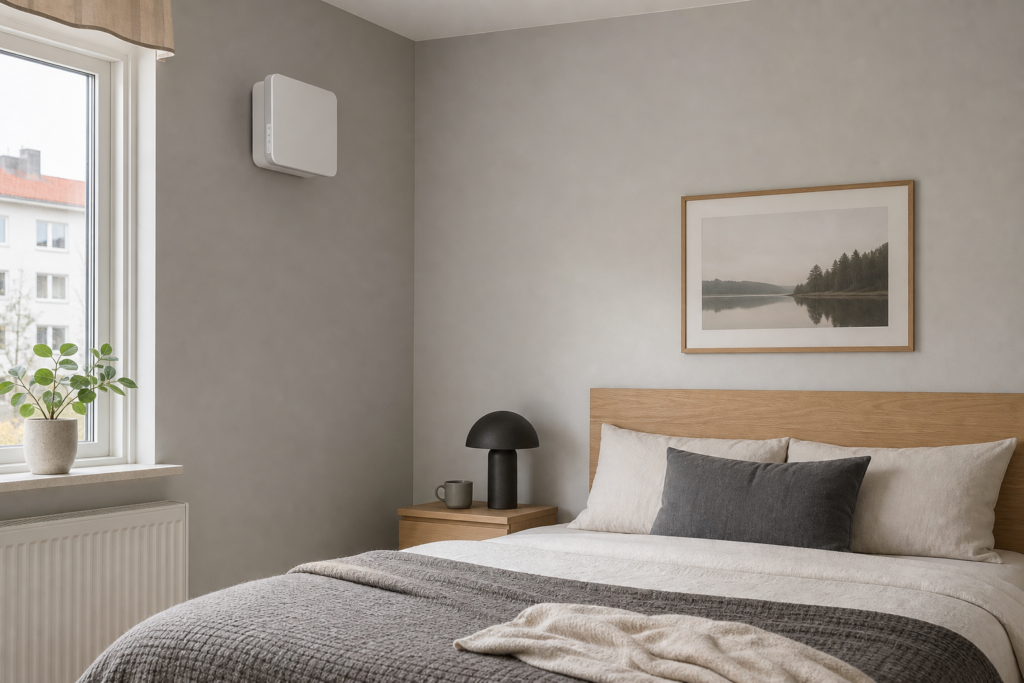
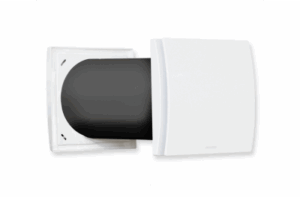
A decentralized heat recovery unit is a self-contained ventilation device installed directly through an exterior wall. Unlike central mechanical ventilation systems—which rely on an extensive network of ducts hidden behind walls and ceilings connected to a large air handling unit—a decentralized system is designed to ventilate a single room, such as a bedroom, living area, or home office.
The primary function of the unit is to continuously exchange stale indoor air for fresh outdoor air with minimal heat loss. At the core of the device sits a regenerative heat exchanger that captures thermal energy from outgoing room air and transfers it to the incoming fresh stream. This makes decentralized units a practical, cost-effective choice for retrofitting apartments and older homes where installing ductwork is either technically unfeasible or prohibitively expensive.
How Does a Decentralized Heat Recovery Unit Work?
Most decentralized units operate using an alternating “push-pull” cycle. The fan reverses its direction at set intervals—typically every 70 seconds—working through two distinct phases:
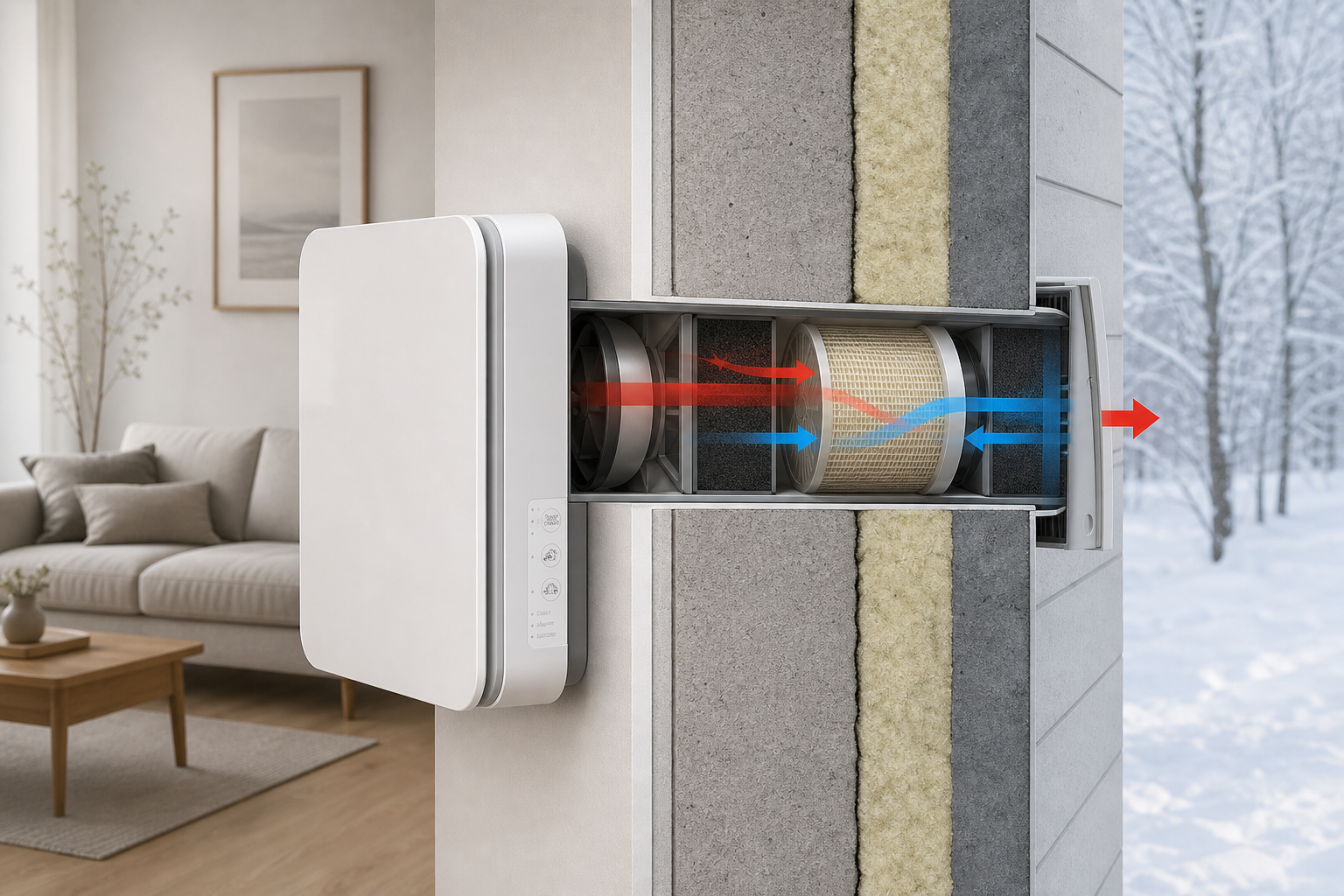
- Exhaust phase: The unit extracts warm, stale air from the room and expels it outdoors. As this air passes through the internal ceramic heat exchanger, the ceramic honeycomb core absorbs and stores its thermal energy. Ceramic is specifically chosen for its exceptional thermal retention properties.
- Supply phase: Once the cycle completes, the fan reverses, pulling fresh air in from outside. This cooler incoming air passes through the preheated ceramic core, warming up to near room temperature before entering the room—eliminating cold drafts.
Scientific research demonstrates that decentralized systems significantly improve both energy efficiency and indoor air quality, recovering between 60% and 95% of the heat that would otherwise escape through open windows.


Key Benefits of Decentralized Heat Recovery Ventilation
Investing in decentralized heat recovery ventilation delivers immediate, tangible benefits for both your living environment and energy consumption. Continuous, controlled air exchange effectively resolves several common indoor climate issues at once.
Lower Heating Costs and High Energy Efficiency
Traditional exhaust-only fans and manual window airing force heating systems to work harder to replace lost warmth. Units equipped with heat recovery dramatically minimize this energy loss. Because decentralized units use low-wattage DC fans—often consuming just a few watts of electricity—their operating costs are negligible compared to the heating savings they generate. European climate simulations indicate that heat recovery systems can reduce ventilation-related heating loads can be reduced by 25% to 60%.
Effective Moisture Control and Mold Prevention
Excess moisture is the root cause of window condensation, damp walls, and mold growth in corners. Controlled, continuous ventilation stabilizes relative humidity within a healthy range. If you are weighing whether a dehumidifier or ventilation is better suited to your needs, remember that while a dehumidifier only extracts water, a heat recovery unit also continuously introduces oxygen-rich air and removes airborne pollutants.
Reduced CO2 Levels and Better Sleep
High concentrations of carbon dioxide ($CO_2$) often cause morning headaches, daytime fatigue, and poor concentration. Since we spend roughly a third of our lives sleeping, maintaining optimal bedroom air quality is essential. A decentralized heat recovery unit keeps the room supplied with fresh, oxygenated air throughout the night with the windows securely closed, fostering deeper and more restorative sleep.
How to Choose the Right Decentralized Unit
A variety of decentralized models are available, differing in airflow capacity, noise ratings, and smart control features. When choosing the best unit for your space, keep the following criteria in mind:
- Noise levels: For bedrooms and nurseries, look for models designed for whisper-quiet operation on their lowest setting (around 11–15 dB). Series from manufacturers like Blauberg and Ideal Clima Kers are recognized for their low noise output.
- Control options: Modern units feature Wi-Fi integration and smartphone apps, allowing you to adjust fan speeds, set timers, and monitor indoor conditions remotely.
- Smart sensors: Built-in humidity and $CO_2$ sensors allow the unit to run autonomously, boosting airflow automatically when moisture or pollutant levels rise.
- Air filtration: High-quality filters (such as G3 or F7) trap incoming outdoor dust, pollen, and fine particulate matter, providing essential relief for allergy sufferers.
-
-18%
 Available
BSK Zephyr Heat Recovery Ventilation Unit, up to 60 m³/h, Wi-Fi/RH%
Original price was: 351 €.288 €Current price is: 288 €.
-
-7%
 Available
Ideal Clima Kers+25 Ultra-Quiet Heat Recovery Ventilator – Fresh Air with Low Energy Consumption
Original price was: 321 €.298 €Current price is: 298 €.
-
-11%
Available
Ideal Clima Kers+50 Ultra-Quiet Heat Recovery Ventilator – Fresh Air and Maximum Energy Savings
Original price was: 331 €.296 €Current price is: 296 €.
To compare models and features in detail, consult our guide on how to choose a heat recovery unit, which outlines the core technical advantages of leading brands.
Installation and Maintenance
Installing a decentralized unit is straightforward and far less invasive than installing ducted systems. A professional installer cores a 100 mm to 160 mm opening through the exterior wall, inserts the telescopic wall sleeve with the heat exchanger and fan module, and connects it to a power source. Using diamond core drilling equipped with dust and water collection, units can easily be fitted into fully decorated rooms with minimal mess.
Maintenance is simple and requires no specialized tools:
- Clean or replace air filters every six months to maintain optimal airflow.
- Vacuum the ceramic heat exchanger core once a year using a standard vacuum cleaner.
- Check the external wall cowl periodically to clear away any leaves or debris.
Regular care ensures the system maintains its actual performance in low-energy buildings over the long term, keeping indoor air consistently fresh.

Is a Decentralized Heat Recovery Unit Right for You?
Decentralized heat recovery units are an excellent choice for apartments where installing a central ventilation system is impractical or not supported by the building association, as well as for single-family homes that need better air exchange in specific rooms. They deliver an effective, budget-friendly method to eliminate stale air, control moisture, and preserve indoor warmth.
To learn more about how to improve indoor air quality or to select the ideal model for your home, explore our range of decentralized heat recovery units.
Frequently Asked Questions
Yes. Quality units are tested to operate reliably in temperatures down to –30 °C. The thermal mass of the ceramic heat exchanger warms incoming air sufficiently to prevent chilly drafts and maintain a comfortable indoor temperature.
These units are exceptionally energy-efficient, generally drawing between 3 and 10 watts per hour—less than a typical LED bulb. Operating a unit continuously adds only a few euros to your annual electricity bill.
Typically, a single unit is designed to ventilate one specific room up to 25–40 m². For whole-apartment ventilation, units are usually installed in pairs or placed across multiple living areas to establish balanced, coordinated airflow.
References: