


Spend just a few hours in a room with the windows shut, and you will likely notice a sluggish, heavy feeling, a dry throat, or a dull headache. Since we spend the vast majority of our time inside, indoor air quality directly affects our daily well-being, productivity, and sleep. Unfortunately, many of the most common indoor pollutants are completely invisible and odorless.
How can you tell if the air circulating through your home or office is actually healthy? What warning signs point to poor air quality, and what can you do to improve your indoor climate?
Common Symptoms and Health Effects of Poor Indoor Air Quality
Exposure to polluted indoor air does not always trigger an immediate, acute reaction. In many cases, symptoms develop gradually and are easily mistaken for everyday fatigue, seasonal bugs, or stress. A telling indicator is your environment: if your symptoms subside after you step outside or leave the building, your indoor air is almost certainly the culprit.
Typical physical warning signs include:
- Dryness, burning, or irritation in the eyes, nose, and throat
- Unexplained skin irritation, redness, or itching
- Persistent brain fog, daytime fatigue, headaches, and trouble focusing
- Frequent respiratory infections and lingering coughs
- Hoarseness, tightness in the chest, and wheezing
- Dizziness and mild nausea
- Heightened allergy or asthma flare-ups while indoors
Vulnerable individuals—including children, seniors, and those with pre-existing respiratory conditions—tend to react first and most severely. Paying attention to both physical symptoms and environmental red flags is essential for catching problems early.
Physical Warning Signs in Your Home or Office
Deteriorating air quality leaves noticeable clues throughout a space:
- Window and surface condensation: Water droplets pooling on windowpanes or cold exterior walls indicate excessive relative humidity and inadequate air exchange.
- Musty or damp odors: A persistent, stale, or earthy smell usually signals hidden mold or bacterial growth inside building assemblies or behind furniture.
- Visible mold: Dark, greenish, or powdery patches around window frames, tile grout, or exterior wall corners confirm lingering moisture issues.
- Rapid dust buildup: If a fresh layer of dust settles on surfaces shortly after cleaning, your space lacks adequate filtration or effective air circulation.
- Heavy, stale air: Waking up in a stuffy bedroom points to elevated carbon dioxide (CO₂) buildup overnight.
Major Sources of Indoor Air Pollution
Indoor air pollutants do not appear out of nowhere. Studies show that indoor air contamination typically stems from two places: outdoor pollutants that drift inside (accounting for roughly 30%) and pollution generated directly within the home (around 70%).
Common culprits include:
- Building materials and furnishings: Fresh paint, laminate flooring, adhesives, and pressed-wood furniture can off-gas formaldehyde and other volatile organic compounds (VOCs) for months.
- Household chemicals and synthetic fragrances: Conventional cleaning sprays, aerosol deodorizers, scented candles, and incense release fine particulates and chemical vapors into the air.
- Cooking and combustion appliances: Gas ranges, ovens, and wood-burning fireplaces emit combustion byproducts, including carbon monoxide, nitrogen dioxide, and fine soot.
- Excess moisture and poor airflow: Everyday activities like showering, boiling water, drying laundry indoors, and even breathing raise humidity levels, creating a breeding ground for mold and dust mites.
- Outdoor pollutants and seasonal allergens: Opening windows near busy roadways or during peak pollen seasons allows vehicle exhaust, soot, and airborne allergens straight inside.
How to Accurately Test Indoor Air Quality
Physical symptoms and visual warning signs provide helpful clues, but dedicated monitoring tools are needed for an objective assessment.
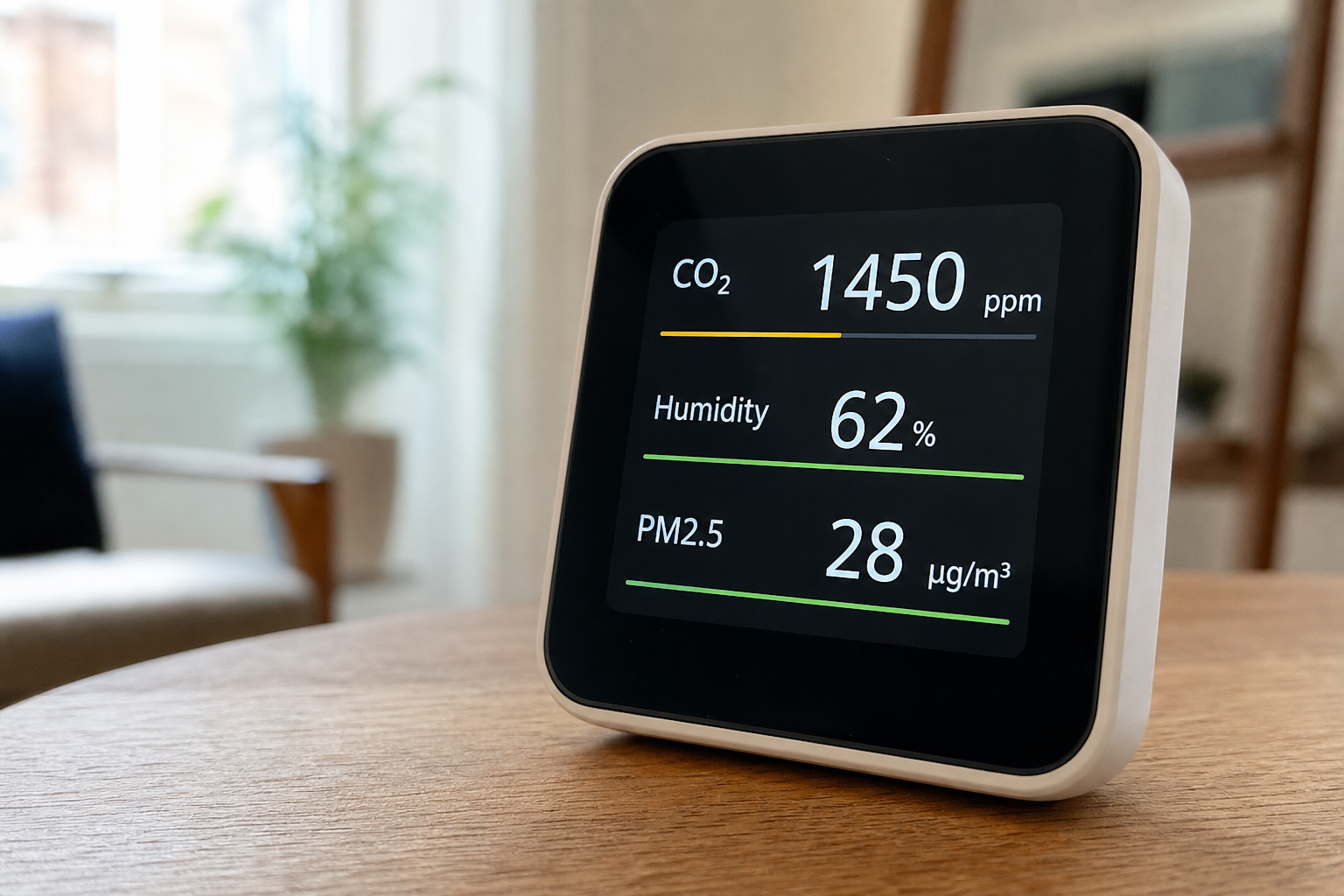
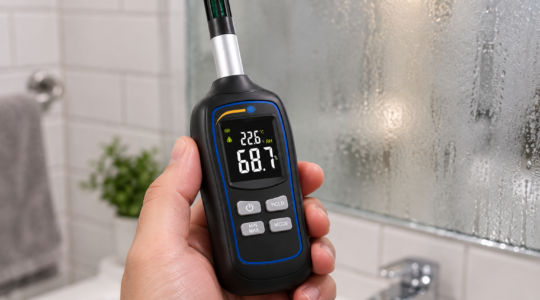
According to guidelines from the Health Board, relative humidity in living spaces should remain between 35% and 60%. Humidity levels below 30% dry out respiratory mucous membranes and facilitate the spread of airborne viruses, whereas levels consistently above 60% create prime conditions for mold growth.
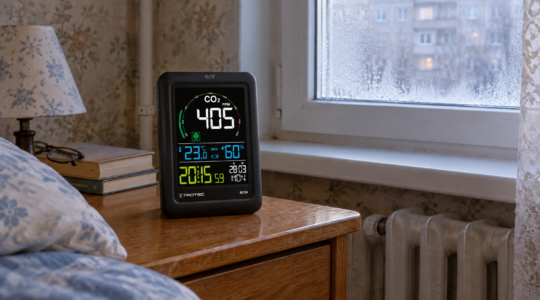
Carbon dioxide (CO₂) levels serve as an excellent proxy for overall ventilation performance:
- Under 1,000 ppm: Indicates fresh, hygienically clean air.
- 1,000 to 2,000 ppm: Causes drowsiness, loss of focus, and stuffiness; ventilation should be increased.
- Above 2,000 ppm: Unsuitable for productive work or restorative sleep, often causing headaches and lethargy.
For a comprehensive evaluation, consider booking a professional indoor air quality assessment to measure precise levels of CO₂, fine particulate matter (PM2.5 and PM10), formaldehyde, and total VOCs.
Practical Steps to Ensure Clean Indoor Air
Improving indoor air quality requires a balanced strategy: bringing in continuous fresh air, actively filtering out contaminants, and eliminating pollution sources at the root.
1. Maintain Continuous, Controlled Ventilation
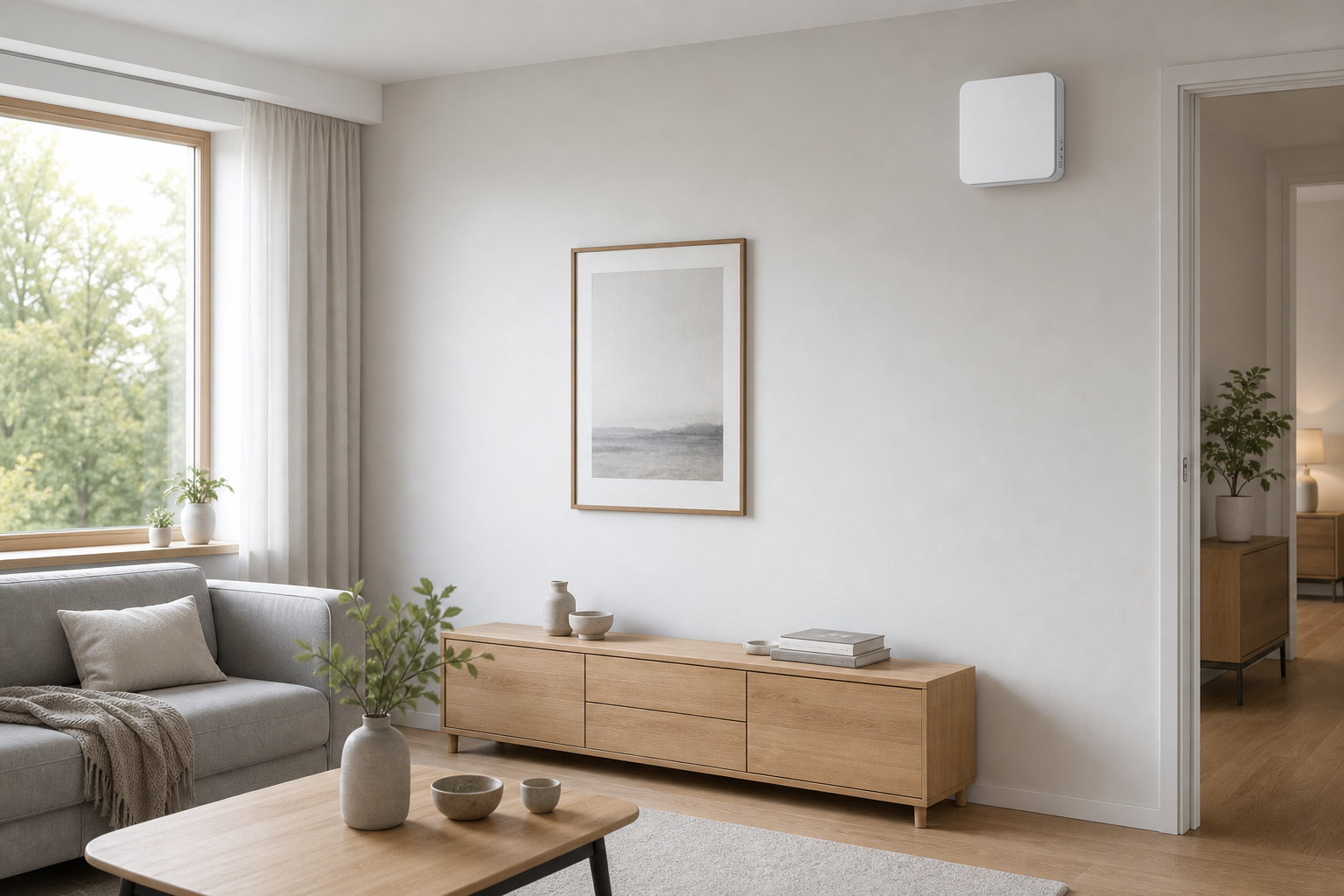
Without active air exchange, carbon dioxide, moisture, and VOCs inevitably accumulate. If a central HVAC overhaul is not feasible, installing a wall-mounted decentralized heat recovery unit provides a practical, energy-efficient alternative. These units constantly supply filtered outdoor air while extracting stale indoor air, recovering thermal energy in the process to keep heating bills low.
-
-18%
 Available
BSK Zephyr Heat Recovery Ventilation Unit, up to 60 m³/h, Wi-Fi/RH%
Original price was: 351 €.288 €Current price is: 288 €.
-
-7%
 Available
Ideal Clima Kers+25 Ultra-Quiet Heat Recovery Ventilator – Fresh Air with Low Energy Consumption
Original price was: 321 €.298 €Current price is: 298 €.
-
 Available
Top-of-the-Line Blauberg VENTO inHOME W 50 m³/h Wi-Fi Heat Recovery Ventilator
369 €
2. Filter Out Airborne Particles and Allergens
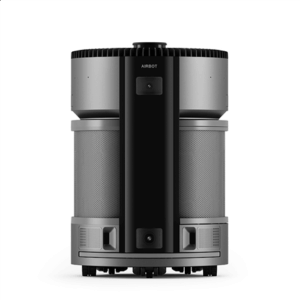
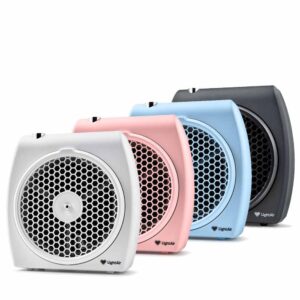
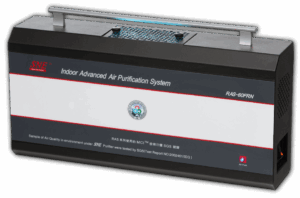
If your living space is prone to pet dander, traffic dust, or seasonal pollen, high-efficiency air purifiers can make an immediate difference. Units equipped with true HEPA filtration capture up to 99.97% of airborne particles down to 0.3 microns. For sensitive households, a specialized air purifier for allergy and asthma sufferers removes irritating microscopic allergens, while integrated activated carbon filters absorb chemical vapors and unpleasant odors.
3. Keep Humidity Levels Balanced
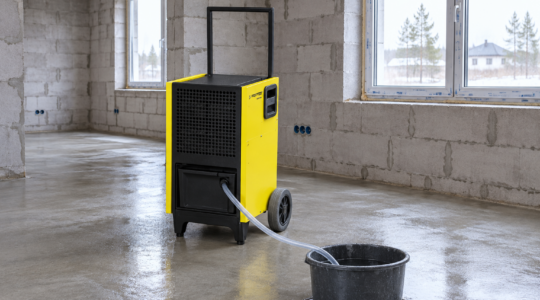
During the winter heating season, indoor air often dries out significantly, irritating your skin, eyes, and airways. An evaporative humidifier with automated output regulation restores moisture without leaving mineral dust on furniture. In warmer months or in damp areas like basements and laundry rooms, run a dehumidifier to keep relative humidity below the mold threshold.
4. Minimize Everyday Pollution Sources
Small daily adjustments can significantly reduce the overall pollutant load in your living space:
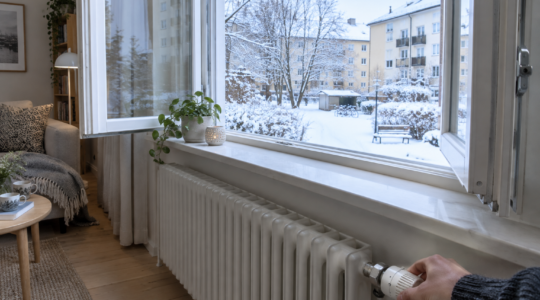
- Open windows on opposite sides of your home for 10–15 minutes twice daily to create rapid cross-ventilation.
- Always turn on the range hood when cooking on the stovetop.
- Switch to unscented, eco-certified cleaning products and detergents.
- Avoid indoor smoking, burning incense, or relying heavily on synthetic air fresheners.
- Squeegee and wipe down bathroom walls and tiles after showering so moisture cannot seep into building materials.
Managing your indoor climate systematically protects your long-term health, sharpens your focus, and ensures your home remains a truly restful sanctuary.
Frequently Asked Questions
Elevated CO₂ levels typically manifest as morning headaches, sluggishness, difficulty concentrating, and a noticeable sense of stuffiness in the room. The most reliable way to confirm this is with an indoor air monitor equipped with an NDIR sensor. Readings that consistently exceed 1,000 ppm indicate that your space needs more fresh air.
No. While air purifiers are excellent at capturing dust, pollen, pet dander, and odors from circulating air, they do not produce oxygen or remove carbon dioxide. A healthy indoor environment requires both regular fresh air exchange (ventilation) and active particle filtration.
The recommended relative humidity range for living areas is between 35% and 60%. Levels below 30% dry out airways and increase susceptibility to airborne infections, while levels persistently above 60% encourage dust mite proliferation and mold growth.