

A pressure washer is an indispensable tool for cleaning outdoor surfaces, building facades, vehicles, and industrial equipment. However, poor technique or excessive pressure can quickly strip paint, etch concrete, gouge timber, or force water behind building envelopes. Achieving professional results safely requires selecting the right nozzle, holding the correct spray angle, and tailoring your approach to each specific material.
This comprehensive guide covers essential pressure washing methods, nozzle selection, surface-specific best practices, and crucial safety standards.
Key Pressure Washing Methods
Different surfaces and contaminants require different cleaning strategies. Using high pressure on soft wood causes permanent surface damage, while cold water alone cannot cut through heavy industrial grease.
Soft Washing (Low-Pressure Cleaning)
Soft washing combines low water pressure with specialized cleaning detergents. This method is specifically designed for delicate substrates that cannot withstand heavy mechanical force.
- Best for: Timber cladding, render, stucco, vinyl siding, and painted trim.
- How it works: Biodegradable cleaning agents break down moss, mold, algae, and atmospheric grime at a molecular level, allowing the surface to be rinsed clean with a gentle, wide fan spray.
- Key advantage: Prevents water from penetrating wall cavities, overlapping joints, or weather-resistant barriers.
High-Pressure Washing for Hard Surfaces
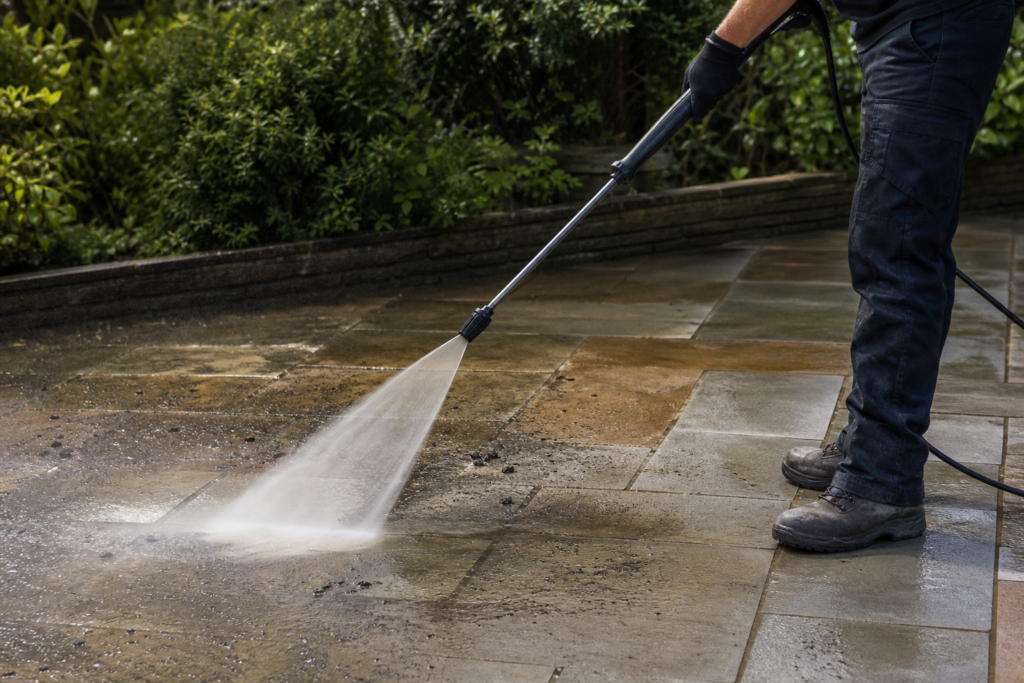
Traditional high-pressure washing relies on kinetic energy to strip away stubborn dirt, moss, and mineral deposits.
- Best for: Poured concrete, exposed aggregate, natural stone, interlocking pavers, and durable metal surfaces.
- Applications: Removing weeds from paver joints, clearing tire marks and soot, and stripping failing paint prior to resealing or recoating.
- Requirement: Requires a sound, non-porous substrate capable of handling intense hydraulic pressure.
Hot Water Pressure Washing and Steam Cleaning
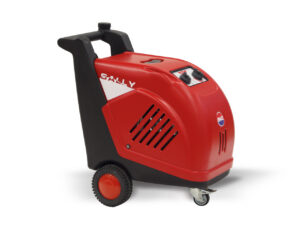
Cold water often smears oil, grease, tar, and hydraulic fluids rather than removing them. Hot water melts oil-based binders rapidly, dramatically reducing the need for harsh chemicals. Learn more about how to choose between cold and hot water pressure washers.
For heavy equipment maintenance and industrial facility sanitation, heavy-duty hot water pressure washers maintain steady high temperatures throughout continuous operation.

Using a Rotary Surface Cleaner
Cleaning expansive driveways or walkways with a standard spray wand often leaves behind uneven, striped patterns (“tiger striping”). A dedicated rotary surface cleaner features two or more high-pressure nozzles spinning rapidly inside a hover-style protective housing.
- Delivers a uniform, streak-free finish across large flatwork.
- Prevents dirty overspray from splashing onto nearby walls, landscaping, and windows.
- Cleans large patios, decks, and parking areas significantly faster than a standard lance.
Selecting Nozzles and Setting the Spray Angle
Pressure washer quick-connect nozzles are color-coded by spray pattern angle. Selecting the proper nozzle is the single most important step in balancing cleaning power with surface protection.
- 0° Nozzle (Red): A concentrated, pinpoint jet delivering maximum impact. Never use this on wood, vehicles, or siding, as it will cut directly into the substrate. Reserve it strictly for spot-treating rust on heavy machinery or stubborn stains on unpainted concrete.
- 15° Nozzle (Yellow): A narrow, high-impact fan spray. Ideal for heavy-duty stripping on concrete, brickwork, and hard masonry.
- 25° Nozzle (Green): A versatile, general-purpose fan tip. Well suited for stone patios, paved walkways, boat hulls, and durable outdoor furniture.
- 40° Nozzle (White): A wide, gentle fan spray. The safest choice for washing cars, motorbikes, timber cladding, glass-adjacent trim, and painted surfaces.
- Soap Nozzle (Black): A wide-bore, low-pressure nozzle designed to activate chemical injectors and apply foaming detergents.
When spraying, hold the wand at a 45-degree angle to the surface rather than perpendicular (90 degrees). A 45-degree angle uses the water’s kinetic energy to lift dirt up and sweep it away, rather than driving contaminants deeper into the pores of the material.
Surface-by-Surface Cleaning Guidelines
Always test your spray pattern and pressure on an inconspicuous spot before tackling the main area.
Timber Decks and Woodwork
Wood is soft and porous; excessive water pressure easily splinters the grain and leaves permanent gouges.
- Use a 25° or 40° nozzle and maintain a working distance of at least 30–40 cm.
- Always work along the grain of the wood, never across it.
- Wet the wood with clean water before applying any cleaning solutions to prevent unsealed timber from absorbing chemicals too deeply.
Building Facades and Siding
When cleaning exterior siding, avoid forcing water behind lap joints, flashing, or insulation layers.
- Apply detergents from the bottom up to prevent dirty run streaks from baking onto dry lower panels.
- Rinse thoroughly from the top down, keeping the nozzle 1.0 to 1.2 meters away from the wall.
- Never angle the spray upward into lap joints, vents, or horizontal siding seams.
Cars and Vehicles
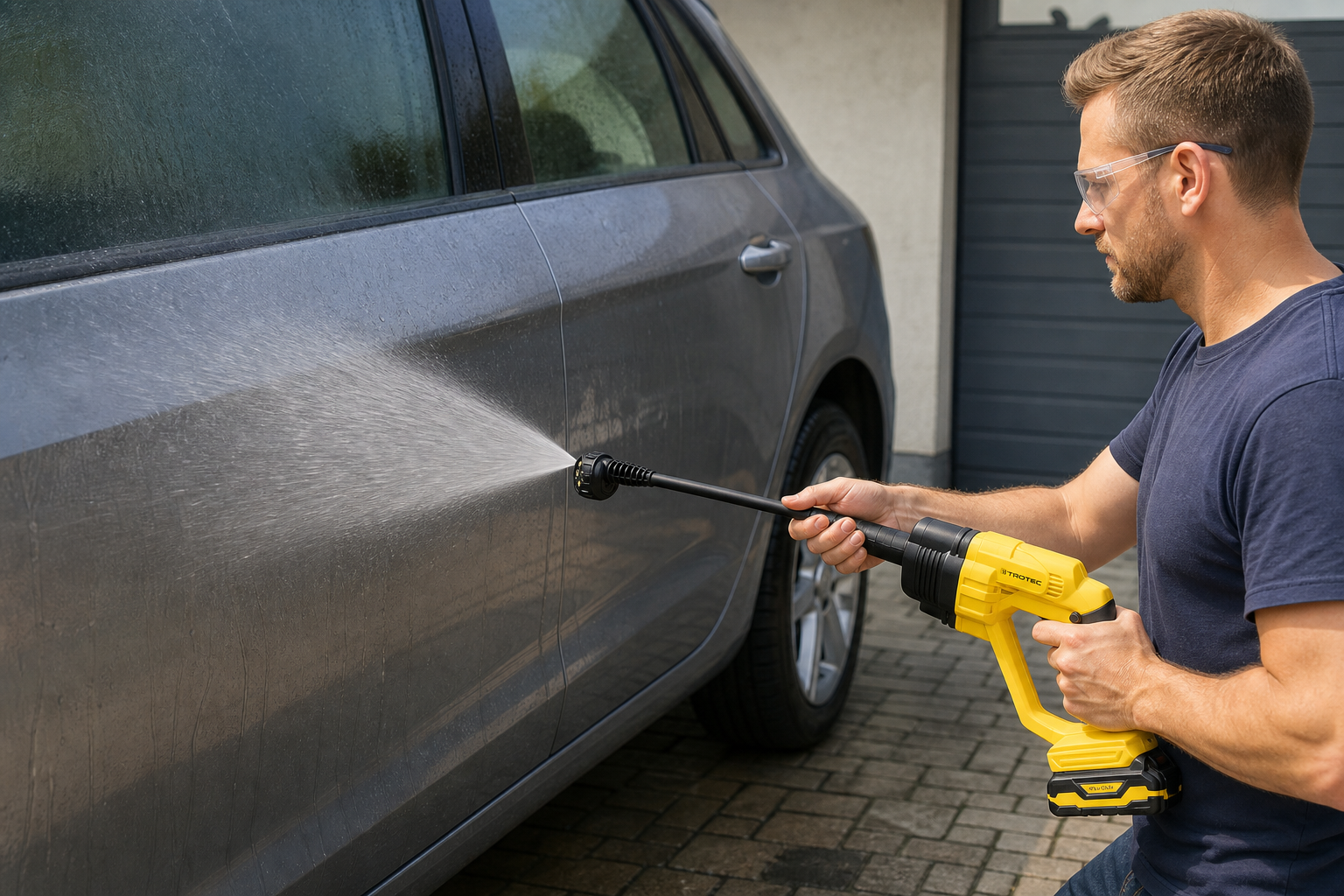
Use only the wide 40° nozzle on automotive paintwork, keeping the spray tip at least 30 cm away from the finish. Avoid spraying high-pressure water directly at tire valve stems, rubber door seals, or sensitive engine-bay electronics.
Surfaces You Should Never Pressure Wash
Certain materials cannot withstand concentrated hydraulic pressure:
- Asphalt shingle roofing: High pressure strips the protective mineral granules, drastically reducing the roof’s lifespan and weatherproofing.
- Double-glazed windows: Water pressure can rupture the seals on insulated glass units (IGUs) and tear window screens.
- Historic brickwork and lime mortar: Pressure washing easily erodes soft, aged mortar and damages the protective kiln-fired face of historic bricks.
- Lead-based paint: Washing lead paint pulverizes hazardous material, contaminating the surrounding soil and air.
- Electrical fixtures and junction boxes: Direct spray creates severe shock hazards and damages internal circuitry.
Safe Operation and Routine Maintenance
Pressure washers generate intense force. Safe handling and proper startup routines protect both the operator and the machine.
Startup and Priming
Before starting the engine or motor, make sure the pump is fully primed with water.
- Inspect and clean the water inlet screen filter.
- Connect the supply hose and turn the water tap fully on.
- Squeeze the trigger on the spray gun until all trapped air escapes and water flows in a steady stream. Running the pump dry causes cavitation, which destroys internal seals within minutes.
- Always run petrol-powered washers outdoors in well-ventilated areas to prevent carbon monoxide poisoning.
Safe Operating Procedures
A high-pressure jet can puncture skin and cause severe high-pressure injection injuries that require immediate emergency treatment.
- Wear safety goggles or a face shield, non-slip waterproof footwear, and durable gloves.
- Keep a firm two-handed grip on the lance to manage kickback recoil.
- Never operate a pressure washer from a ladder; the recoil can easily throw you off balance.
- Keep children and pets clear of the work area, and never point the spray wand at anyone.
- Avoid leaving the machine idling in bypass mode (trigger released) for more than two minutes. Recirculating water inside the pump manifold heats up rapidly and can ruin piston seals.
Detergent Handling and Runoff
Under EU standards, all pressure washer detergents must use biodegradable surfactants. When using chemical cleaners, control your runoff so that wash water does not drain directly into storm sewers or open waterways.
After applying chemicals, flush the siphon line by running clean water through the system for one to two minutes to keep internal check valves from sticking.
Shutdown and Depressurization
Once finished, turn off the motor or engine and shut off the water supply. Pull the trigger on the spray gun to vent residual hydraulic pressure from the hose and pump before disconnecting any fittings, and engage the trigger safety lock.
Choosing the Right Pressure Washer
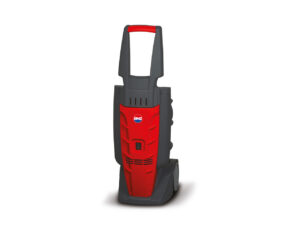
For residential upkeep, patios, and vehicle washing, compact and ergonomic domestic pressure washers provide excellent portability and ease of storage.

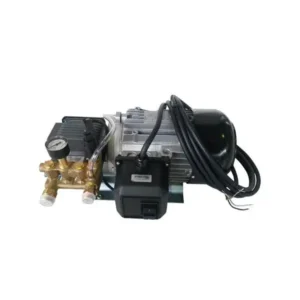
For construction sites, fleet maintenance, and agricultural tasks, rugged professional and industrial pressure washers deliver the high flow rates and continuous-duty reliability needed for demanding workloads.
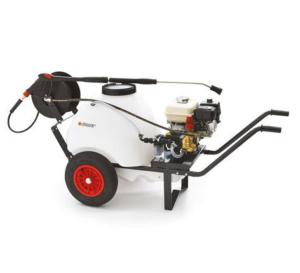

Combining the right machine with sound cleaning technique ensures fast, efficient results without the risk of costly surface damage.
Frequently Asked Questions
Use a 25° or 40° fan nozzle with moderate pressure, keeping the tip at least 30 cm away from the surface. Always sweep along the wood grain to avoid lifting fibers or gouging the boards.
A pressure washer pump relies on flowing water for lubrication and cooling. Running the pump dry causes the pistons and seals to overheat rapidly, destroying the pump within minutes.
Use narrower 15° or 25° nozzles for tough, unpainted stone and concrete surfaces. Choose a wider 40° fan nozzle for painted surfaces, wood, and vehicles. Use the dedicated black low-pressure nozzle for applying detergents.