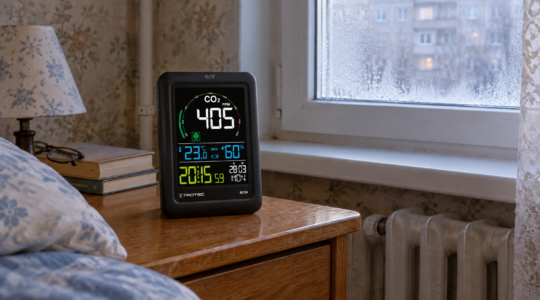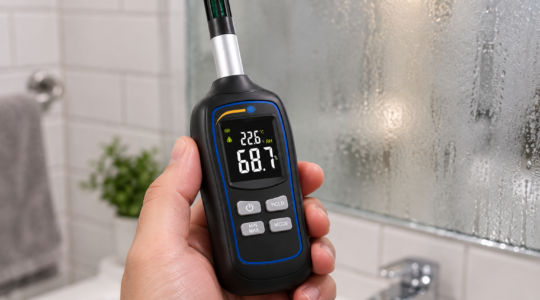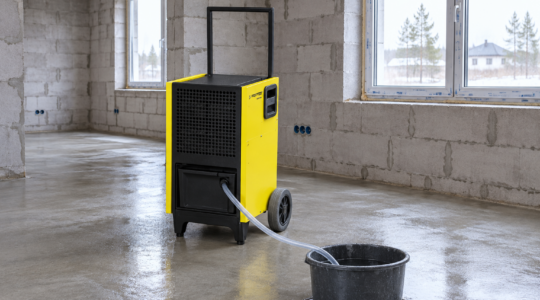


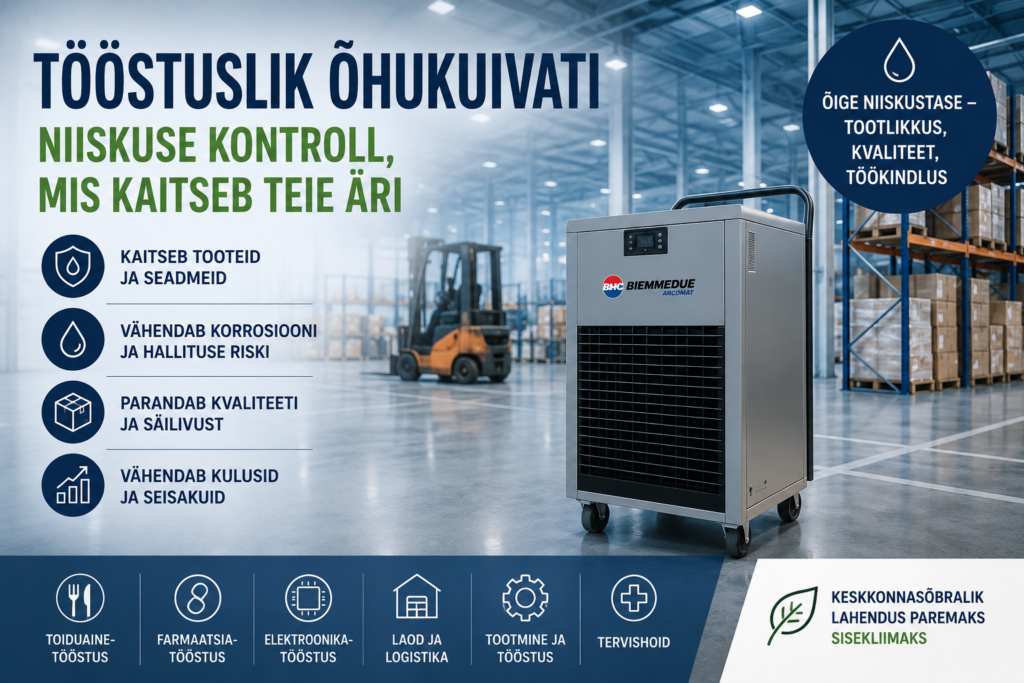
Many companies focus on production equipment, energy costs, and labor, but underestimate the impact of humidity on production processes. In reality, excessive humidity can cause product spoilage, corrosion, mold, production downtime, and even workplace safety issues. For this reason, industrial dehumidifiers have become an essential part of modern manufacturing, warehousing, and logistics environments.
Why is it important to control humidity?
Excessive humidity has a negative effect on:
- corrosion resistance of metals and equipment;
- the reliability of electronic components;
- food shelf life;
- the quality of medicines;
- paper and packaging materials;
- goods stored in warehouses and archives.
High humidity levels create an environment conducive to the growth of mold, bacteria, and fungi, and can cause costly damage to both products and buildings.
In which industries are industrial air dryers used?
Food Industry
In food production and storage, humidity directly affects product quality and shelf life. Excessive humidity can lead to spoilage, damage to packaging, and an increased risk of microbiological contamination.
Pharmaceutical Industry
Many medicines and active ingredients require a specific humidity level. Excessive humidity can alter the properties of these products and reduce their quality.
Electronics Industry
Electronic components are sensitive to condensation and corrosion. Controlled humidity helps prevent malfunctions and extends the service life of equipment.
Warehouse and Logistics Centers
In warehouses, a dehumidifier helps protect goods from mold, moisture damage, and packaging deformation.
How does an industrial dehumidifier work?
Industrial dehumidifiers remove excess moisture from the air and maintain a stable relative humidity. Two main technologies are used:
- condensation dryers;
- adsorption—or rotor—dryers.
Condensation dryers are well-suited for warmer rooms, while rotary dryers operate effectively even at low temperatures and can achieve very low humidity levels.
The Main Advantages of an Industrial Air Dryer
✅ Protects products and raw materials
✅ Extends the lifespan of your devices
✅ Reduces corrosion and condensation
✅ Improves indoor air quality
✅ Reduces the risk of mold growth
✅ Speeds up drying processes
✅ Helps reduce energy costs in production processes
Which dehumidifier should I choose?
Choosing the right device depends on:
- volume of the room (m³);
- temperature;
- the desired humidity level;
- the specific characteristics of the production process;
- operating mode (temporary or continuous use).
Pro Air OÜ helps you choose the right solution for both small warehouses and large manufacturing facilities.
Learn more about Pro Air OÜ’s industrial air dryers
👉 Commercial and industrial dehumidifiers:
https://proair.ee/tootekategooria/kaubanduslikud-ja-toostuslikud-ohukuivatid/
👉 Biemmedue hair dryers:
https://proair.ee/tootesilt/biemmedue/
👉 Construction dehumidifiers:
https://proair.ee/tootekategooria/ehituskuivatid/
👉 Dehumidifier calculator and advice:
https://proair.ee/
Summary
Humidity control is not a luxury in industry, but a necessity. The right level of humidity helps protect equipment, improve product quality, reduce costs, and ensure a stable production process. An industrial dehumidifier is an investment that helps prevent much higher costs in the future.
If you’d like to find the right dehumidifier for your business, contact the specialists at Pro Air OÜ, and we’ll find a solution tailored to your specific needs.