




Fluorescent dye for detecting UV radiation leaks
Tracer dyes for leak detection, leak testing, and flow path verification
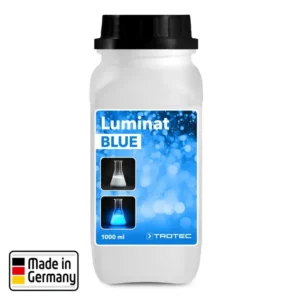
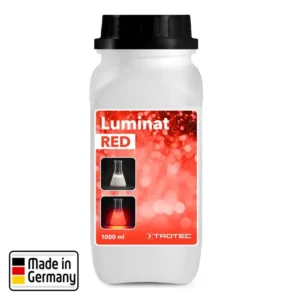
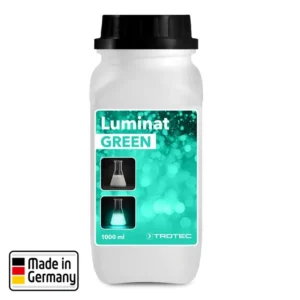
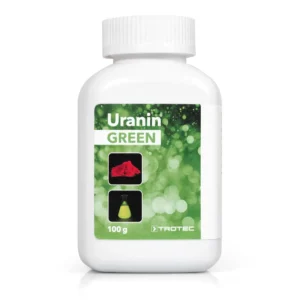
Depending on the tracer used, the test specimens can be sprayed with tracer aerosols, dipped in tracer liquid, or dusted with tracer powder. Suitable marking agents include, for example, water-soluble uranium powder or Trotec-Luminat, an 11% aqueous dispersion of anionic pigment that can be diluted with water but does not metabolize. This is particularly useful for detecting leaks on green roofs and for locating leaking, concealed water-carrying pipes or drainpipes. Thanks to the small size of the pigment particles—just 0.5 µm—Trotec Luminat penetrates even the smallest capillaries and is extremely economical; Depending on the application, diluting the water at a ratio of 0.3 to 3% is sufficient.
Caution! The tracers uranium and luminate are not suitable for use as food coloring!
Proven UV marking for detecting pipe cracks
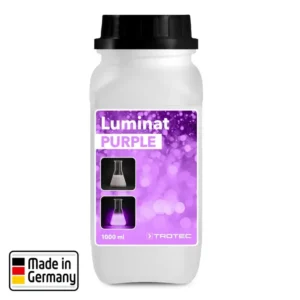
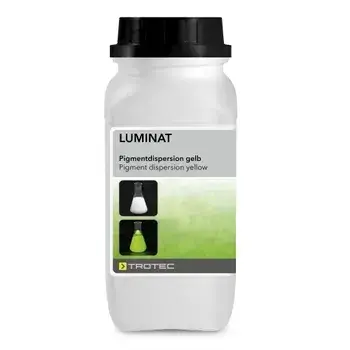
Trotec Luminat is an 11 percent aqueous dispersion of anionic pigment that can be diluted with water but does not metabolize. It is particularly useful for detecting leaks on green roofs and locating leaky, concealed water-carrying drainpipes or pipes . Due to the small size of the pigment particles, the dye can also migrate through capillaries and is extremely economical; depending on the application, dilution with water at a ratio of 0.3 to 3% is sufficient.
The UV tracer is particularly well-suited for leak detection in drainage systems, water pipes, seals, or the water-bearing layers of flat roofs. Accumulated or floodwater that has mixed with Trotec-Luminat can then be detected at the leak points in the event of a leak.
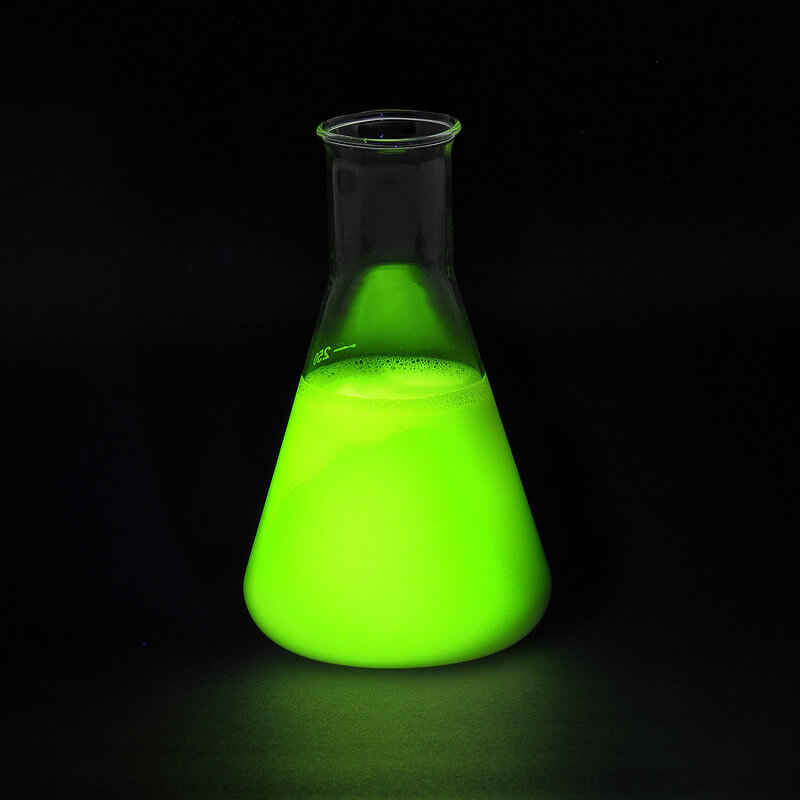
Since Luminate appears colorless under normal lighting, color changes on walls and ceilings are not visible to the naked eye. To detect exit points, you need a UV lamp , such as the UV-TrackMaster, which can excite Luminate to produce maximum fluorescence in the optimal wavelength range.
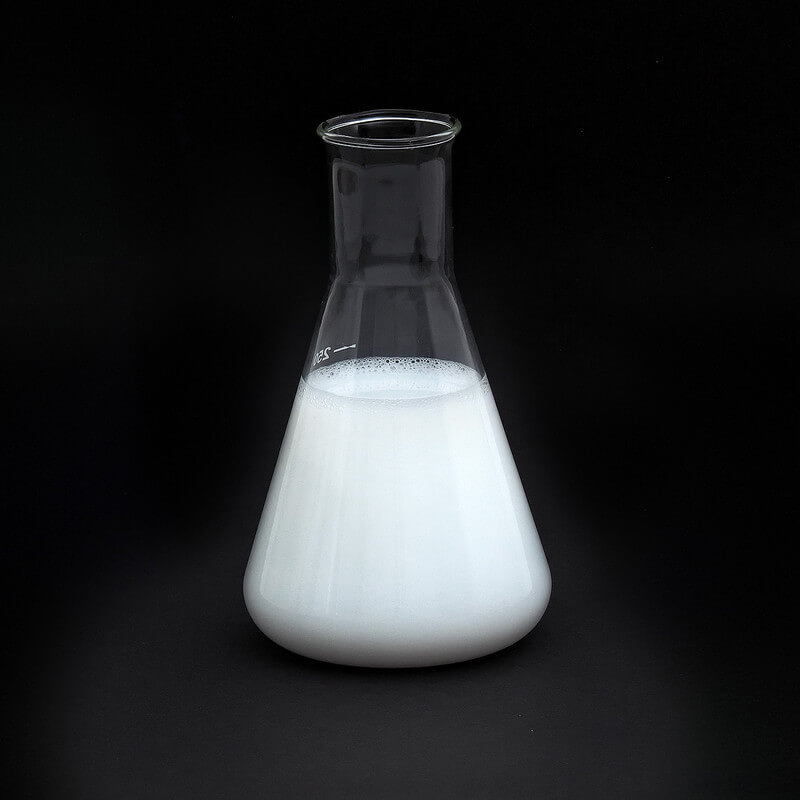
Depending on the water concentration, Luminate has a milky, watery color and allows for color-neutral applications.
The dye’s fluorescence is stimulated by illuminating it with a UV-A flashlight within the optimal wavelength range.
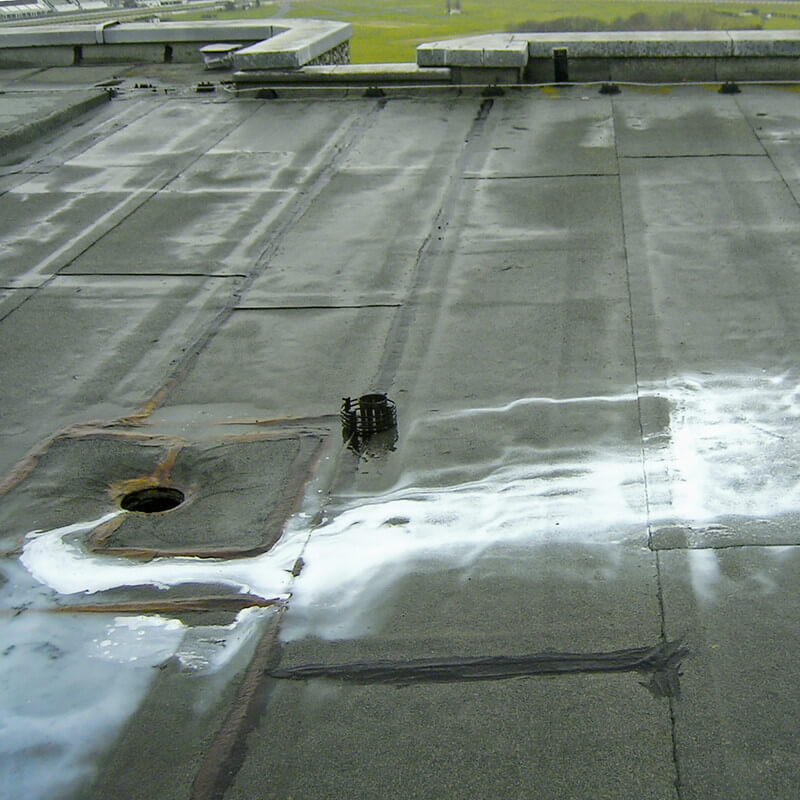
In the image below, you can see: An example of inspecting a flat roof to detect a sealing defect using a luminescent dye test.
Important: Luminate is not suitable for use as a food coloring!