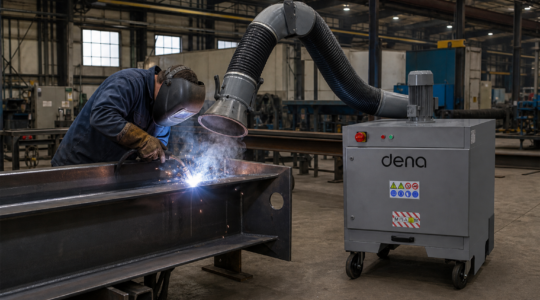


Industrial vacuum cleaners face punishing conditions every day. They regularly tackle abrasive concrete dust, fine drywall powder, metal shavings, coolants, and hazardous airborne particulates. While a standard domestic vacuum rarely needs more than a new bag, heavy-duty industrial equipment requires a disciplined, proactive maintenance schedule to ensure dependable, day-in, day-out performance.
Neglected maintenance quickly leads to compromised suction, overheating motors, and premature equipment failure. Worse, it can cause hazardous dust to blow back into the workspace or trigger electrostatic sparks in combustible atmospheres. Written for facility managers, safety officers, and cleaning professionals, this guide outlines daily upkeep routines, filter servicing protocols, and practical troubleshooting steps to keep your equipment running at peak efficiency.
Daily and Periodic Maintenance Routines
A rigorous inspection routine before and after each shift is the single most effective way to extend the operating life of an industrial vacuum. Always disconnect the unit from the power supply before carrying out any cleaning or maintenance work to prevent accidental startup and electric shock.
Focus on four key areas during daily and weekly checks:
- Collection tank and seals: Empty the collection container before it reaches capacity to avoid placing unnecessary strain on the motor. Clean the rim of the tank and inspect the gasket between the container and the motor housing. A cracked, flattened, or misaligned seal creates air leaks, causing an immediate drop in suction and allowing abrasive dust into the motor compartment.
- Hoses and attachments: Check suction hoses, wands, couplers, and floor nozzles for clogs. When vacuuming damp or sticky debris, residue can build up along the inner walls of the hose, choking airflow. Inspect hoses for cracks or kinks and replace damaged sections immediately.
- Cables and plugs: Inspect the entire length of the power cord for cuts, crushing, or degraded insulation. Never drag the vacuum by its cable, run equipment over the cord, or yank the plug from the socket.
- Motor cooling vents: Keep the cooling fins and auxiliary air filters on the motor housing free of dust. Restricted cooling airflow trips thermal overload switches and can lead to motor burnout.
For production facilities and construction jobsites, choosing equipment with quick-release, tool-free tank systems significantly reduces downtime during routine emptying.

Filter System Maintenance and Dust Class Standards
The filtration system is the core of any industrial vacuum; its condition directly dictates extraction efficiency and motor load. In professional environments, filtration standards are defined by DIN EN 60335-2-69, which categorizes extractors into Dust Classes L, M, and H based on dust toxicity and workplace Occupational Exposure Limits (OELs).
Always follow manufacturer guidelines when servicing filters:
- Pulse and shaker systems: Turn off the vacuum before operating manual filter shakers. On units equipped with automatic reverse-pulse or electromagnetic cleaning, ensure the cycle operates correctly and does not signal differential pressure errors.
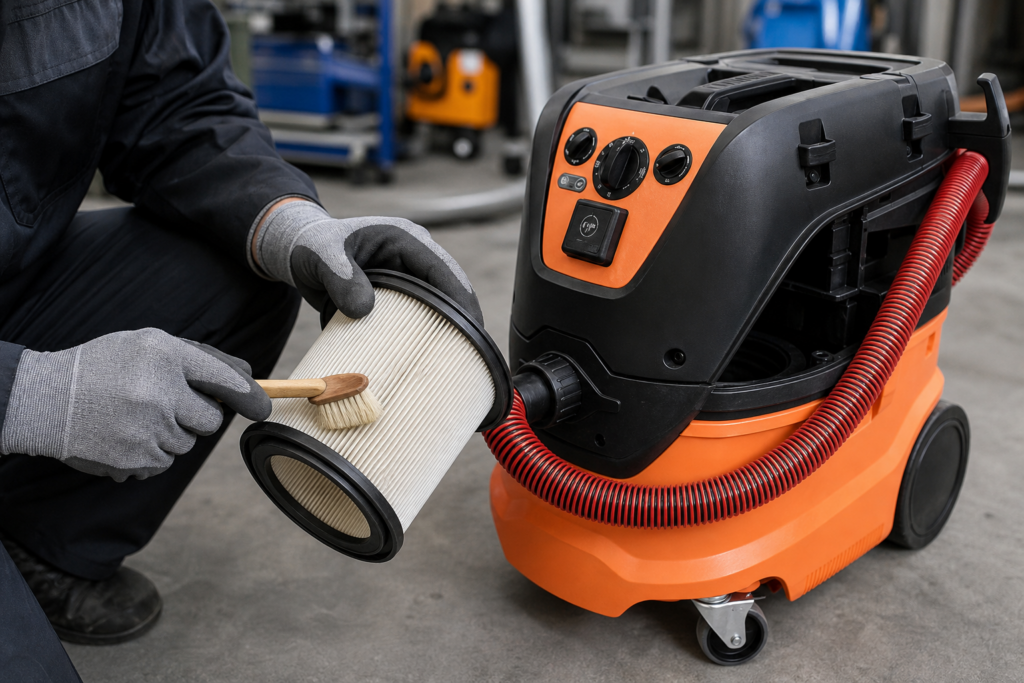
- Manual cleaning: Never use sharp tools or high-pressure compressed air at close range to clean fine-dust cartridges; excessive air pressure ruptures the microfibers and destroys the filter’s certified retention rating.
- Washable filters: Rinse PTFE-coated or washable polyester filters under cold or lukewarm running water without harsh detergents. Allow the filter to dry thoroughly for at least 24 hours before reinstalling it. Installing a damp filter causes dry dust to cake against the media, creating an impermeable crust that permanently ruins airflow.
For deeper insights into filter specifications and equipment sizing, read our complete guide on how to choose an industrial vacuum cleaner.
Servicing Class M and Class H Vacuum Cleaners
Working with Class M units (medium-risk dusts, such as silica and hard woods) and Class H units (high-risk dusts, including asbestos, carcinogens, and mold spores) demands strict health and safety protocols:
- Personal Protective Equipment (PPE): Technicians servicing these units should always wear an appropriate respirator (such as an FFP3 mask), eye protection, and disposable overalls.
- Containment and disposal: Seal collection bags and filter cartridges using the integrated closures or transport caps before removing them from the housing. Never attempt to empty and reuse single-use waste bags.
- Decontamination: Before moving an extractor out of a hazardous work zone, vacuum and wipe down the exterior housing with a damp cloth, and secure the transport cap over the intake port.
- Annual certification: Class H vacuums must undergo certified leak-tightness and HEPA filter integrity testing at an authorized service center at least once every 12 months.
Maintenance by Application: Wet Vacs, Metal Swarf, and ATEX Zones
Operating conditions dictate maintenance requirements. A vacuum handling fine dry dust has very different service needs than one extracting coolants or explosive powders.
Liquid and Metal Swarf Recovery
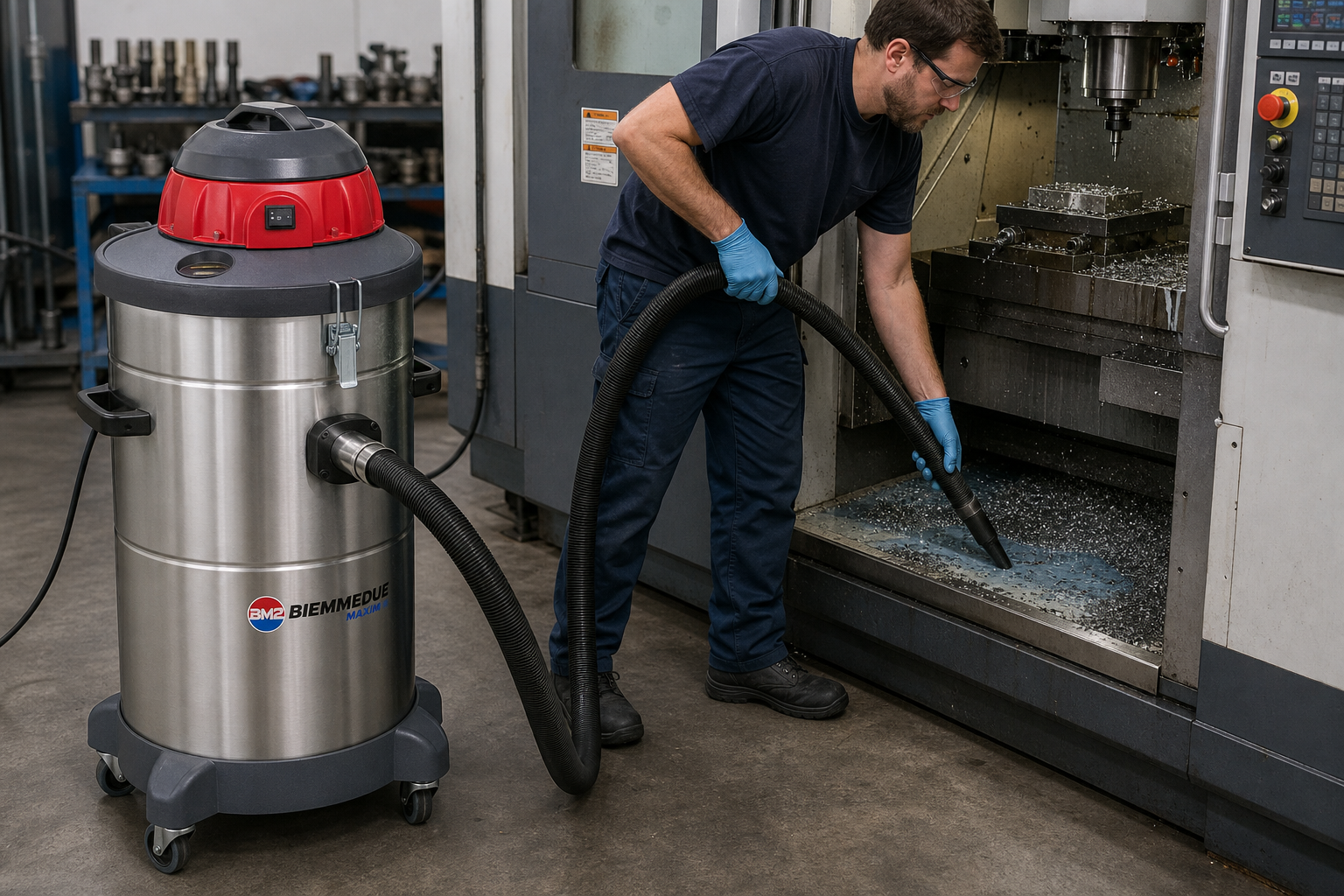
In machine shops and CNC operations, specialized extractors separate cutting fluids from metal shavings for recycling. Key maintenance steps include:
- Regularly cleaning and emptying the stainless steel swarf basket and checking its seating gaskets.
- Inspecting the mechanical float valve or electronic level probe to ensure it moves freely and reliably cuts off airflow before liquid reaches the motor.
- Periodically flushing the holding tank to prevent sludge buildup, bacterial growth, and foul odors.
ATEX-Certified Explosive Atmospheres
Extracting combustible dusts—such as flour, grain, carbon, aluminum powder, or organic chemicals—is governed by European Directive 1999/92/EC (ATEX 137). When operating in ATEX Zones 20, 21, or 22:
- Verify ground continuity: Regularly test electrical bonding between the housing, intake port, and the ground pin on the power plug.
- Use antistatic accessories only: Use only genuine conductive or static-dissipative hoses and nozzles. Replacing these with standard plastic components allows static charges to accumulate, creating a severe spark and explosion risk.
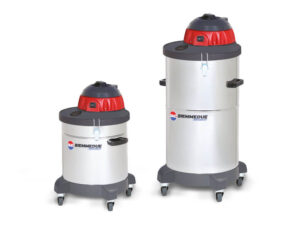
Browse specialized enterprise equipment in our industrial vacuum cleaners collection.
Troubleshooting Common Industrial Vacuum Issues
Use the table below to diagnose and resolve common technical issues:
| Issue | Likely Cause | Corrective Action |
|---|---|---|
| Sudden loss of suction | Clogged filter, overfilled tank, hose blockage, or damaged gasket. | Empty the tank. Run the filter cleaning cycle or inspect the filter. Clear any obstructions in the hose and check the motor head seal. |
| Motor overheats and cuts out | Blocked motor cooling filter; airflow restricted over an extended period. | Clean the cooling air vents and auxiliary filters. Clear the suction hose. Allow the motor to cool before restarting. |
| Dust blowing from the exhaust | Filter torn, incorrectly seated, or seal degraded. | Shut the unit down immediately. Inspect the filter for damage and ensure it is properly clamped. Replace damaged elements. |
| Static shocks during operation | Inadequate grounding or non-conductive hose used with dry dust. | Ensure the power outlet is properly grounded. Switch to certified antistatic suction hoses and accessories. |
| Unusual or high-pitched motor noise | Worn motor bearings, damaged turbine, or float valve engaged. | On wet models, check if the tank is full. If the sound occurs during dry extraction, shut the machine off and contact a service technician. |
| Machine will not start | No power supply, damaged power cord, or tripped thermal switch. | Check the wall outlet and cable condition. Allow the thermal switch time to reset. Have damaged cords replaced by a qualified electrician. |
Why Preventive Maintenance Pays Off
A proactive maintenance program protects your investment, prevents costly production shutdowns, and safeguards your workforce from hazardous dust exposure. Routine inspections, timely filter changes, and regular gasket checks ensure high suction performance and reliable operation for years to come.
Explore our range of heavy-duty industrial and professional vacuum cleaners and commercial vacuum cleaners at Pro Air OÜ:
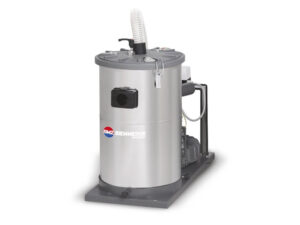
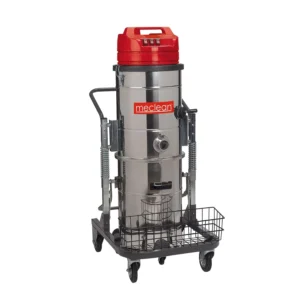
If your vacuum cleaner needs turbine replacements, electrical repairs, or certified Class H containment testing, contact the Pro Air OÜ service team for expert diagnostics, genuine spare parts, and professional maintenance.
Frequently Asked Questions
Replacement intervals depend on operating hours and the type of material collected. Under normal operating conditions, cartridge and HEPA filters last between 6 and 12 months. Replace the filter immediately if the filter media tears, the pleats deform, or suction cannot be restored through cleaning. Class H filters must be replaced according to your scheduled maintenance protocol or once saturated with hazardous substances.
No. You should only collect liquids with a designated wet-and-dry vacuum. Standard dry vacuums lack the float shut-off systems and bypass-cooled motors required for liquid extraction; drawing water into the motor housing causes immediate electrical shorts, bearing corrosion, and motor failure.
The rapid movement of dry dust particles through a non-conductive hose generates static electricity. If the vacuum is plugged into an ungrounded socket or paired with a standard plastic hose, static builds up on the chassis and discharges through the user. Using certified antistatic hoses and verifying earth continuity on your power outlets eliminates this problem.