
Over the past 18 months, our society has undergone a steep learning curve in its preventive policies aimed at curbing the spread of COVID-19. At the start of the pandemic, scientific understanding was that the SARS-CoV-2 virus was transmitted primarily from person to person through respiratory droplets and contaminated surfaces. It is now the scientific consensus that the virus spreads primarily through aerosols and exhaled air. More specifically, through aerosols—tiny floating particles that are produced in the lungs and expelled when breathing, speaking, singing, coughing, and sneezing. Aerosols rise due to natural convection and spread through the surrounding air. When large quantities of these invisible aerosol particles are inhaled, they cause infection with the coronavirus.
There is a significant difference in the risk of infection between outdoor settings and enclosed spaces, explain aerosol researcher Dr. Gerhard Scheuch and his colleague, Prof. Dr. Hendrik Streck—Germany’s most renowned virologist—in a jointly published video on the topic of . The goal of the video is to provide businesses with practical knowledge and information on how to minimize the risk of infection in enclosed indoor spaces as much as possible. The videos are in German, but you can seek advice from Pro Air OÜ today.
99 percent of all infections occur indoors
“Indoor spaces are the main source of infection. There is no significant risk of infection outdoors,” explains Gerhard Scheuch, outlining the various risks of infection. Therefore, in addition to known measures such as vaccination and the AHA rules, additional protection against infection is necessary—especially indoors—to prevent future lockdowns. In a joint video, the researchers propose preventive measures for indoor spaces that, based on the current state of research, minimize the risk of infection as much as possible. Whether it’s retail, the restaurant industry, sports centers, or event organizers — they are all currently looking for an effective set of tools to ensure that employees and customers feel safe and are protected from infections in the best possible way.
In his remarks, virologist Streeck emphasized the importance of this: “Air hygiene measures are not intended to replace basic hygiene rules or the 3G rules—but rather to make indoor spaces safer for the fall and winter.”
In addition, the researcher points to air hygiene measures as another, previously unrecognized form of hygiene. Unlike specific coronavirus vaccines, the proposed air hygiene regulations would also prevent airborne transmission of other viral diseases, such as influenza or respiratory syncytial virus (RSV), which currently affects children and adolescents more frequently.
How can you prevent the risk of infection indoors?
“The starting point for these joint considerations is the scientifically indisputable fact that more than 99 percent of COVID-19 infections occur indoors,” explains Gerhard Scheuch.
Dr. Gerhard Scheuch: There are essentially two ways to remove virus-containing aerosols from a room
1. With a supply of fresh air, for example, through appropriate ventilation systems. (6 air changes per hour)
However, installing such a ventilation and air conditioning system usually involves significant construction work, as ventilation ducts must be installed and wall openings must be made. In addition, modernizing an air-conditioning system is relatively expensive and cannot be implemented quickly enough.
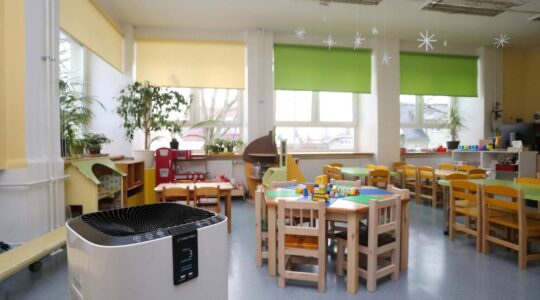
2. By purifying indoor air using permanently installed or portable air purifiers.
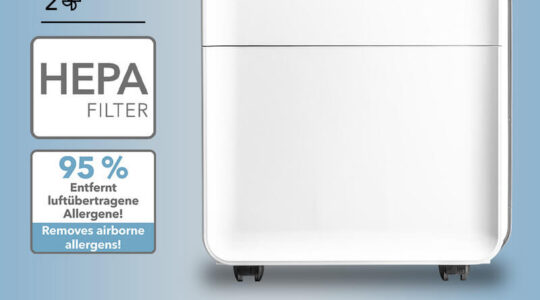
Numerous scientific studies demonstrate the high effectiveness of technical air purification in combating the coronavirus. It has been proven that suitable devices, such as Troteci high-performanceAirgoCleanONE air purifiers, reduce the viral load by 99.97 and 99.995 percent.
How can the effectiveness of preventive measures be assessed?
To assess the effectiveness of ventilation and indoor air purification, researchers propose a combination of two measurement systems.
1. Air Quality Monitoring
On the one hand, the necessary supply of fresh air should be monitored using so-called CO2 meters. While an increased CO2 concentration does not necessarily indicate the presence of virus-containing “aerosols,” it does suggest that the room has not been ventilated for long enough, which may increase the risk of infection.
2. Particle Measurement Indoors
In addition, researchers recommend measuring aerosol particles in the indoor air to verify the effectiveness of air purification measures. This allows you to quickly and reliably determine the current indoor air quality and then decide whether the measured values meet your safety requirements or if additional protective measures are needed.
Air Quality Monitoring and Particle Measurement in a Single Device: BQ30
Practical õBQ30 air quality monitor , you can reliably keep an eye on both parameters to ensure high indoor air quality. The BQ30 measures the CO2 concentration in the room air and displays the measured value in an easy-to-read format using a color bar graph indicator on the LCD screen. In addition, this practical measuring device measures the amount of volatile substances in the room air and immediately highlights dangerously high concentrations.
The BQ30’s large color LCD screen displays the following simultaneously:
- CO2 concentration in indoor air
- concentration of particle mass in the air
- air temperature
- relative humidity
- date, current time, and battery charge level