Sniffling, sneezing, and wheezing. Many people think that taking medication is the only solution. Have you tried starting by removing the source of your allergy and asthma symptoms from the air in your home?
Allergic symptoms can result from exposure to pollen, dust mites, pet dander, and everyday allergens. Symptoms can range from mild to severe, but the immune processes responsible for these reactions are the same in all cases.
What causes respiratory allergies?
Allergies are caused by heightened sensitivity to relatively harmless substances. The body’s immune system is designed to fight all foreign substances that are identified as harmful to the body. In the context of the immune system, these foreign substances are usually called antigens. Although antigens can be any viruses or bacteria, they can also be any respiratory allergens, such as pollen, dust, or animal dander. Usually, the body identifies allergens as harmful as soon as they enter the sinuses. The immune system responds by producing antibodies to fight the allergens.
Upon initial exposure, the body’s immune response is mild, but with repeated exposure over time, the body reacts by releasing large amounts of histamine. This causes traditional allergic symptoms, such as a runny nose, coughing, itchy eyes, and sneezing. These reactions are intended to expel allergens from the body. To control the effects and symptoms of pollen, people with allergies take antihistamines. These medications block the effects of histamine in the body, thereby preventing symptoms.
Pollen and Its Effects on the Body
Part of a plant’s reproductive system consists of microscopic pollen grains, which must be transferred to various parts of the plant’s reproductive organs in order to produce viable seeds. The measurement of pollen in the air is based on the amount of pollen per cubic meter of air, measured over a 24-hour period.
What is a pollen allergy?
The body automatically triggers allergic reactions to pollen, resulting in allergic symptoms. Symptoms of pollen allergy include sneezing, coughing, a runny nose, and itchy, watery eyes.
People who are predisposed to pollen allergies usually begin to notice symptoms during childhood. If the parents have allergies, their children are more likely to develop symptoms at some point in their lives. In fact, if one parent had allergies, the child has a 25% chance of inheriting them. If both parents have symptoms, the child has an estimated 75–80% chance of developing allergies.
Asthma Caused by Allergies
Asthma is a chronic respiratory disease characterized by inflammation, narrowing of the airways, and increased mucus production. Asthma is usually caused by hypersensitivity to certain triggers, such as allergens, fluctuations in air temperature, physical exertion, or stress.
People with asthma typically experience shortness of breath, chest tightness, and wheezing during symptomatic episodes. A cough may occur at night or early in the morning. All of these symptoms are caused by narrowing of the airways and inflammation of the respiratory tract, and they can be treated. Allergens such as pollen can trigger the release of large amounts of histamine in the body, which exacerbates asthma by increasing mucus production in the lungs and causing inflammatory reactions in the lung tissue.
Histamines can also cause muscle contractions in the small airways of the lungs, resulting in wheezing and a tightness in the chest.
Solutions for Asthma and Pollen Allergies
Although asthma and allergy medications can keep allergy symptoms under control once they begin, they do not help prevent exposure to allergens. Simply staying away from plants that cause allergies is not enough. Pollen can travel hundreds of kilometers on the wind.
People who suffer from pollen allergies should use personal air filtration systems that can effectively remove pollen from the air. Pollen particles are approximately 10–60 microns in diameter. Most indoor air purifiers can filter out airborne particles as small as 3 microns.
Air filtration is especially important if you think your child or children have asthma, since their smaller airways mean that even routine symptoms can be life-threatening.
If you or your child has asthma, consider using an air purifier to help remove airborne particles that can make it difficult for people with asthma to breathe.
Which air purifier is best for pollen allergies?
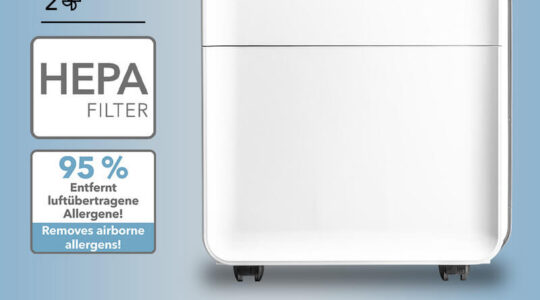
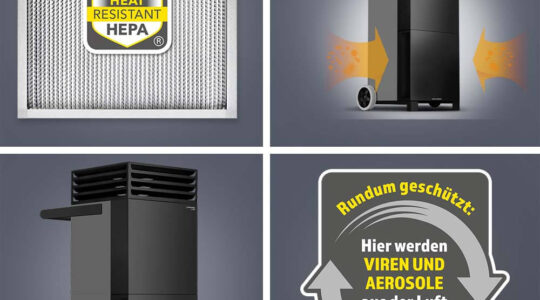
Air purifiers designed for people with allergies offer powerful air purification capabilities thanks to HEPA (High-Efficiency Particulate Air) filter technology.Pro Air OÜ recommends using only HEPA air filters, as years of testing and customer experience show that HEPA filters are the most effective at removing allergens and pollutants that cause allergies. Customers experience allergy relief within 48 hours of using the air purifier. Coway air purifiers capture 99.99% of airborne particles as small as 0.1 microns using “medical-grade filtration” and “H13” TRUE HEPA filters.
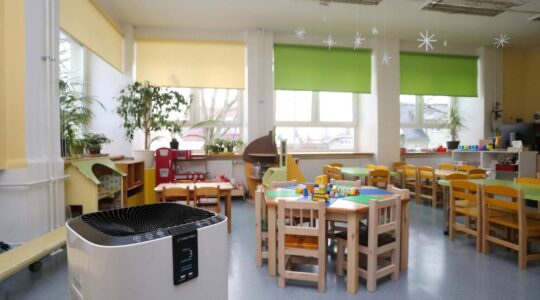
To reduce the presence of asthma and allergy triggers in the air circulating in your home, consider using an air purifier, such as one of the following models from our asthma collection.
Coway Storm for areas up to 100 m² / the quietest unit on the market / front, front and top, and top airflow / the unit with the most positive feedback.
Coway 1220 for areas up to 41 m² / quiet / front, front and top, top airflow / Best in the TestFakta test

More than 10 million satisfied customers worldwide – COWAY