
Damp walls in rooms are indeed a problem that can lead to a number of unpleasant consequences, including health hazards and structural damage. Here is more information on how to detect moisture in walls, why it occurs, and what the possible solutions might be:
Detecting Moisture: Signs of moisture can include several factors:
- Odor: Damp walls may develop an unpleasant musty or moldy odor.
- Color Changes: Moisture can cause color changes on walls, such as stains or peeling paint.
- Water Stains: Visible water stains may indicate a leak or condensation.
- Peeling: Peeling of wall coverings or wallpaper may be caused by moisture.
Causes of moisture: Damp walls can be caused by several factors:
- Leaking Pipes: Leaks in water or sewer pipes can cause moisture to accumulate in the walls.
- Leaky Roofs: A poorly maintained or leaky roof can cause water to seep into the building’s structure.
- Condensation: Warm air can condense as it cools, especially on cold surfaces, which can cause moisture to form.
- Moisture rising from the ground: In some cases, moisture can rise from the ground and accumulate in the wall.
Consequences: The effects of damp walls can be serious:
- Mold: Moisture promotes mold growth, which can be harmful to health and requires immediate attention.
- Structural damage: If moisture persists, it can weaken the building’s structures and cause damage.
- Health problems: Damp rooms can cause respiratory problems, allergies, and a weakened immune system.
Solutions: Solving problems with damp walls depends on the cause:
- Ventilation: Good ventilation helps reduce humidity in rooms. Open windows regularly and use ventilation systems as needed.
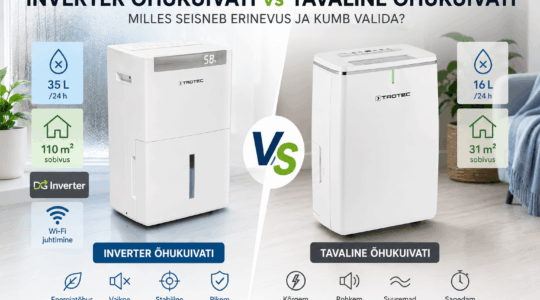
- Dehumidifier: Using a dehumidifier can help lower the humidity in a room.
- Consult a specialist: If the moisture problem persists, it may be necessary to consult a specialist to assess whether there is a leak or structural damage.
- Removing Mold: If mold has developed, it must be removed carefully and safely, following the appropriate procedures and safety precautions.
In summary, damp walls are a cause for concern that requires prompt action. Regular monitoring, good ventilation, and, if necessary, consulting specialists can help prevent serious consequences for both your health and the structure of your home.