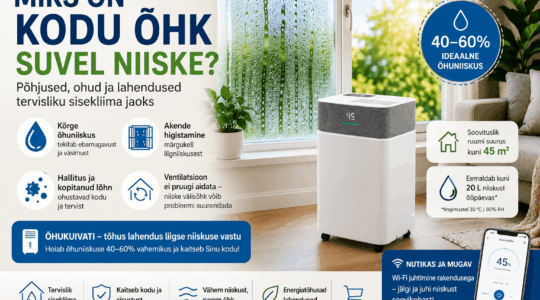
How can I tell if the humidity in my room or apartment is too high? Should I consider buying a dehumidifier?
The normal humidity level in a living space is 40%–60%. Both dry air and excessive humidity can cause discomfort. Problems caused by dry air can be solved with a humidifier.
(Read More About Air Humidification)
Using a dehumidifier indoors is a good idea when there is excess moisture. This is because excess moisture can lead to various unpleasant situations.
But how can you tell if the humidity in a room is too high?
Identify the symptoms or damage caused by excess moisture yourself:
- The smell of mold in a room, apartment, or basement
- Condensation on windows (i.e., windows that “sweat”)
- Damage to Wooden Furniture
- Damage to painted surfaces or wallpaper
- Gray spots in the bathroom or kitchen (mold)
- Mold on surfaces
- Mold in ventilation ducts and air conditioning systems.
The Smell of Mold
They are caused by fungi and bacteria that thrive in damp environments. They can also cause serious health problems, especially for children, people with chronic illnesses, and the elderly. The Arctus Fenja 10 dehumidifier is ideal for smaller rooms Arctus Fenja 10.
Condensation on windows
Mold begin to grow when the humidity level in the room is high. This most often occurs on cold surfaces where condensation forms. That is why we usually notice mold on the bottom and sides of windows. Mold spores and hyphae are present in higher-than-normal concentrations in the air we breathe and are highly likely to cause health problems.
Drying Laundry Indoors
Of course, when laundry is dried, moisture is released into the room, which can lead to excessive humidity—something that is understandably not beneficial for either the living space or the people living there. Also, laundry dries very slowly when the heating season hasn’t started yet but you’d like to use your clean clothes right away—in this case, a clothes dryer would be a very useful helper.
Arctus Fenja 25

Moisture Damage to Surfaces
Peeling paint on the walls or ceiling, wrinkled wallpaper, black spots on the walls, ceiling, and floor (mold). Even after renovations, the same problems return after a while. All of this points to excessive humidity, and to prevent these issues, it would be wise to use a dehumidifier. For average-sized rooms or areas where laundry is dried, we recommend using the Arctus Fenja 20 model. This helps preserve your property and, of course, your health.
Moldy Furniture and Musical Instruments
Excessive humidity, as well as dry air, can damage furniture or musical instruments, for example. There are many cases where improper humidity levels during storage prove fatal to stringed instruments. It’s easier to install a humidifier or dehumidifier in a room than to later restore an instrument of great monetary or sentimental value. Wooden furniture is sensitive to humidity. Air that is too dry can cause cracks in the furniture. Conversely, excessive humidity causes the wood to swell, and the consequences can be undesirable for the furniture. Excessive humidity can cause mold to grow on the furniture, which in turn damages both the furniture and human health.
Mold in the bathroom
If small rooms such as bathrooms and shower rooms do not have adequate ventilation, the humidity level there will begin to rise. The resulting excess moisture promotes mold growth in the shower room or bathroom. If you’re experiencing any of the issues described above, you should definitely consider getting a dehumidifier for your home, which will help reduce the humidity level to an appropriate range. The bathroom tends to be the most humid room in the entire home, and a dehumidifier helps maintain the humidity level there.
Mold in Heating, Ventilation, and Air Conditioning Systems
Ventilation systems are prone to mold a favorite spot; the reason is simple—it’s damp, there’s a surface to grow on, and there’s plenty of food, since it’s constantly being brought in along with the air. Mold colonies are most likely to grow around intake vents or on air filters and can spread throughout the entire ventilation system, reaching every room and space in the building that is connected to the ventilation system.
Do these signs sound familiar to you? Are you worried that the humidity in your home is too high? A dehumidifier can help prevent or alleviate these concerns by reducing excess humidity indoors.
Where are air dryers used?
In addition to residential spaces, dehumidifiers have become commonplace in construction, warehouses, manufacturing, retail, the wood industry, and other sectors where humidity levels must not exceed a specified threshold.
You should consider getting a dehumidifier if:
- Moisture-related stains appear on the walls and ceiling
- There is mold on the surfaces
- The rooms are uncomfortably damp
- Condensation and mold form on the windows
- There’s a smell of smoke in the air
- Corrosion (rust) has formed on various surfaces
Benefits of Using a Dehumidifier
Alleviating and Preventing Illnesses and Allergies: Dehumidifiers reduce humidity levels, which helps prevent the growth of various allergens such as dust mites, mold, and mildew. Controlling humidity prevents the spread of bacteria, which need moisture to survive and multiply. Stopping the spread of bacteria alleviates or stops the symptoms of allergies and asthma.
They operate quietly
These dehumidifiers won’t disturb you or your daily routine. They operate quietly and can even be used in the bedroom if needed.
The Smell of Mold
Dehumidifiers help reduce unpleasant odors caused by mold and mildew—get rid of that unpleasant smell.
Breathe Easier
Dehumidifiers reduce irritation to the skin and respiratory tract, allowing you to breathe more easily and ensuring a more comfortable home. Excess moisture promotes the growth of mold and bacteria, increasing the risk of infection for you and your loved ones.
Clothes dry faster
Lower humidity means that your clothes dry faster and foods such as bread and the like stay fresh longer.
Preventing Rust
Reducing humidity also reduces the risk of corrosion on your electronic devices, tools, window and door hinges, etc. The rusting process begins at humidity levels as low as 60%.
Dust Formation
Usingdehumidifiers helps reduce dust formation in your home—which means you don’t have to clean as often.
Frost protection
Air drying protects freezers and refrigerators from excessive frosting and speeds up the heat transfer process (freezing), which reduces costs.
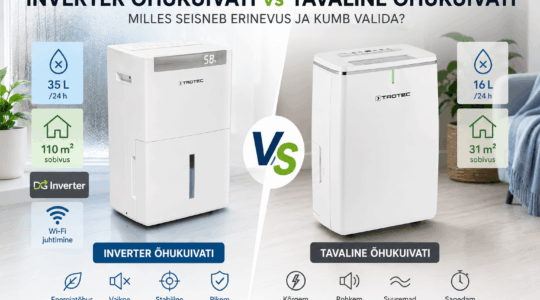
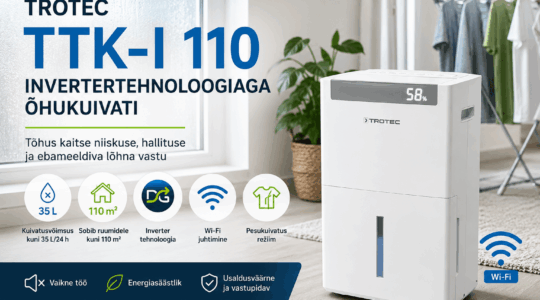
All in all, owning a dehumidifier makes sense for most households, because at certain times of the year, our homes can get very damp and uncomfortable. Today’s dehumidifiers are quiet and do their job well, and of course, they’re no longer expensive—most people can afford one. That’s why many have chosen the the Arctus Fenja home or office dehumidifier, which is the most widely used model in Sweden.